Wildlife Encounters on the Road: How to Safely Enjoy and Responsibly Share Spaces with Animals in the Wild
Jennifer Schillaci • April 13, 2026
Don't pet the fluffy cows... I know, I know... we all know that but....

They Were Here First — Let's Act Like It
April is one of the most spectacular months to be on the road in this country. Migration is underway. Bears are emerging from hibernation. Bison calves are appearing on the plains. Alligators are active in the south. Whales are moving along both coasts. The natural world is waking up in ways that make every mile feel like a privilege.
And with all of that beauty comes a responsibility that not enough RV travelers take seriously enough — the responsibility to share these spaces in ways that are safe for you, safe for the people around you, and safe for the animals themselves.
We have spent time in some of the most wildlife-rich places in this country. We worked in West Yellowstone in 2022 and what we experienced there — the questions people asked, the things people almost did, the genuine lack of basic wildlife knowledge among otherwise intelligent and well-meaning visitors — changed the way we talk about this topic. Permanently.
This blog comes from that experience. It is written with love for both the animals and the people who come to see them. But it is also written with honesty — because some of what we witnessed needs to be said out loud.

Two Stories From West Yellowstone That We Will Never Forget
We are going to start here because these two stories illustrate everything that this blog is trying to prevent & they are both completely true.
Story One: The Animal Crackers
It was late in the season. About fifteen minutes before closing time a sweet older woman came into the store. She was lovely. Genuinely lovely. And she was buying animal crackers. Not one box. Not two boxes. Every box we had. She was cleaning out the shelf. Hear the whole story this week on Learn to RV The Podcast
She had absolutely no idea that what she was planning was not only illegal and dangerous — it was potentially a death sentence for the animals she was trying to connect with.
Story Two: The Bear Spray
A mom came in with her child to purchase bear spray. Bear spray in bear country is a genuinely good idea and we were glad to see her thinking about safety. But as she was explaining the purchase to her child she described how they would need to apply the bear spray — like bug spray. On their skin. Before they went out.
Do not under any circumstances apply bear spray directly to your skin. Ever.
Bear spray is not a repellent. It is not bug spray. It is not something you put on your body before a hike as a preventative measure.
Bear spray is a defensive tool — a pressurized aerosol that is deployed directly at a charging or threatening bear at close range as a last resort deterrent. The active ingredient is highly concentrated capsaicin — the compound that makes peppers hot — at a concentration that will cause immediate, intense burning to any mucous membrane it contacts. Eyes, nose, mouth, skin. It is genuinely painful and potentially dangerous when misapplied.
Having bear spray is smart in bear country. Knowing how to actually use it is the part that matters. And knowing what it is not — a wearable repellent, a daily application, anything that goes on a human body — is just as important as knowing what it is.
We share these stories not to embarrass anyone. The woman with the animal crackers was kind and well-intentioned. The mom with the bear spray was trying to protect her child. Good intentions do not protect you or the animals if your information is wrong. That is the whole point.
The Golden Rule of Wildlife Encounters:
Do Not Feed the Animals
We are going to say this as clearly as it can be said: feeding wildlife is never okay. Not ever. Not for any reason. Not with any food.
This is not a preference. It is not an opinion. In national parks and on most public lands it is a federal regulation with real fines and real consequences. But beyond the legal dimension it is a matter of life and death for the animals involved.
When wildlife becomes conditioned to associate humans with food the outcome is almost always tragic — for the animal. A bear that approaches campsites or vehicles looking for food is a bear that will eventually be destroyed by park management because it has become a danger. A bison that loses its natural wariness of humans creates unpredictable and dangerous situations. Animals that learn to depend on human food sources lose the behaviors that keep them alive in the wild.
The phrase that wildlife managers use is stark and accurate: a fed animal is a dead animal.
No matter how harmless it feels in the moment. No matter how much the animal seems to want it. No matter how perfect the photo opportunity looks. Do not feed the wildlife. Not ever.
Bear Safety: What You Actually Need to Know
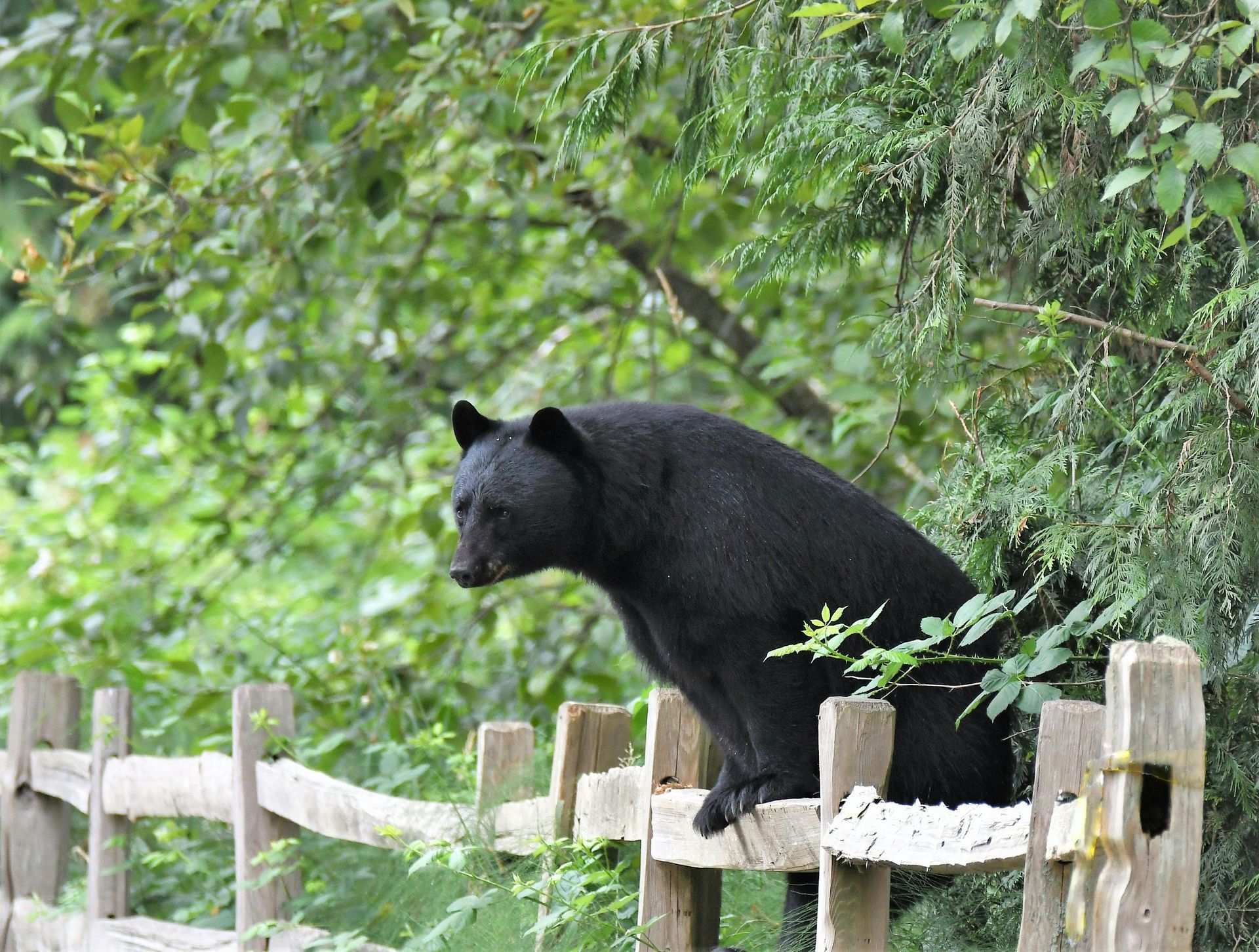
April marks the beginning of active bear season across much of the country — Yellowstone, the Smokies, the Rockies, the Cascades, and countless wilderness areas in between. Bears are emerging from hibernation hungry and active and the overlap between bear habitat and RV travel routes is significant.
Here is what responsible bear country travel actually looks like:
Store food properly. In bear country your food, your trash, your toiletries, and anything with a scent needs to be stored in a bear-proof container or in a hard-sided vehicle when you're not actively using it. This includes inside your RV — which is generally considered adequate if the windows are closed and the smell is contained. It does not include leaving food on your picnic table while you take a walk. Bears have an extraordinary sense of smell and they will find it.
Never leave food unattended outside. Not for five minutes. Not while you run to the bathroom. Not because you think you'll be right back.
Make noise on trails. Bears generally avoid humans when they know humans are coming. Talking, clapping, or calling out on the trail gives bears the opportunity to move away before you encounter them. Surprising a bear at close range is one of the most
dangerous wildlife situations an RV traveler can encounter.
Carry bear spray and know how to use it. Bear spray is genuinely effective when used correctly. Keep it accessible — not buried in your pack where you can't reach it quickly.
Practice the motion of drawing and deploying it before you need it. And remember — it is deployed toward a threatening bear at close range. It is never applied to your body, your clothing, your tent, or anything else. It is a last resort defensive tool that goes in one direction only — away from you and toward the threat.
Know the difference between black bears and grizzlies.
The response to a bear encounter differs depending on the species. For black bears making yourself look large and making noise is generally appropriate. For grizzlies the advice is different — playing dead in a defensive attack and fighting back in a predatory attack. If you're traveling in grizzly country — Yellowstone, Grand Teton, Glacier — take the time to understand the specific protocols before you arrive. The park websites and visitor centers provide this information clearly.
If a bear approaches your campsite: Make noise, make yourself large, do not run, and give the bear a clear escape route. Running triggers a chase response in bears. Standing your ground while making noise is almost always the right move.

Bison: The Animal Most People Underestimate
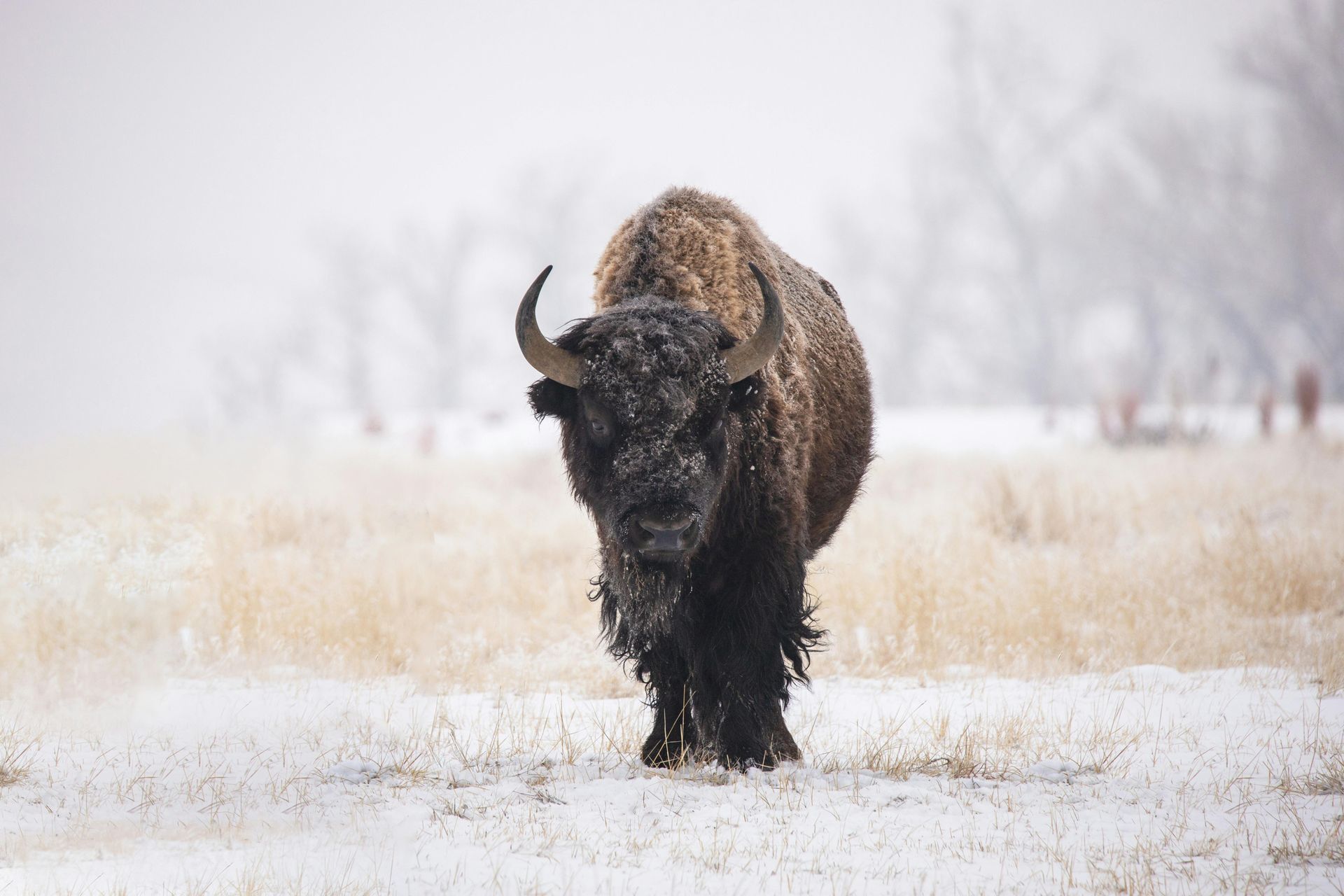
Bison are the most dangerous animal in Yellowstone in terms of the number of visitor injuries per year. Not bears. Bison.
And the reason is almost always the same: people underestimate them. They look slow. They look calm. They look like large, docile cattle standing in a field. They are none of those things.
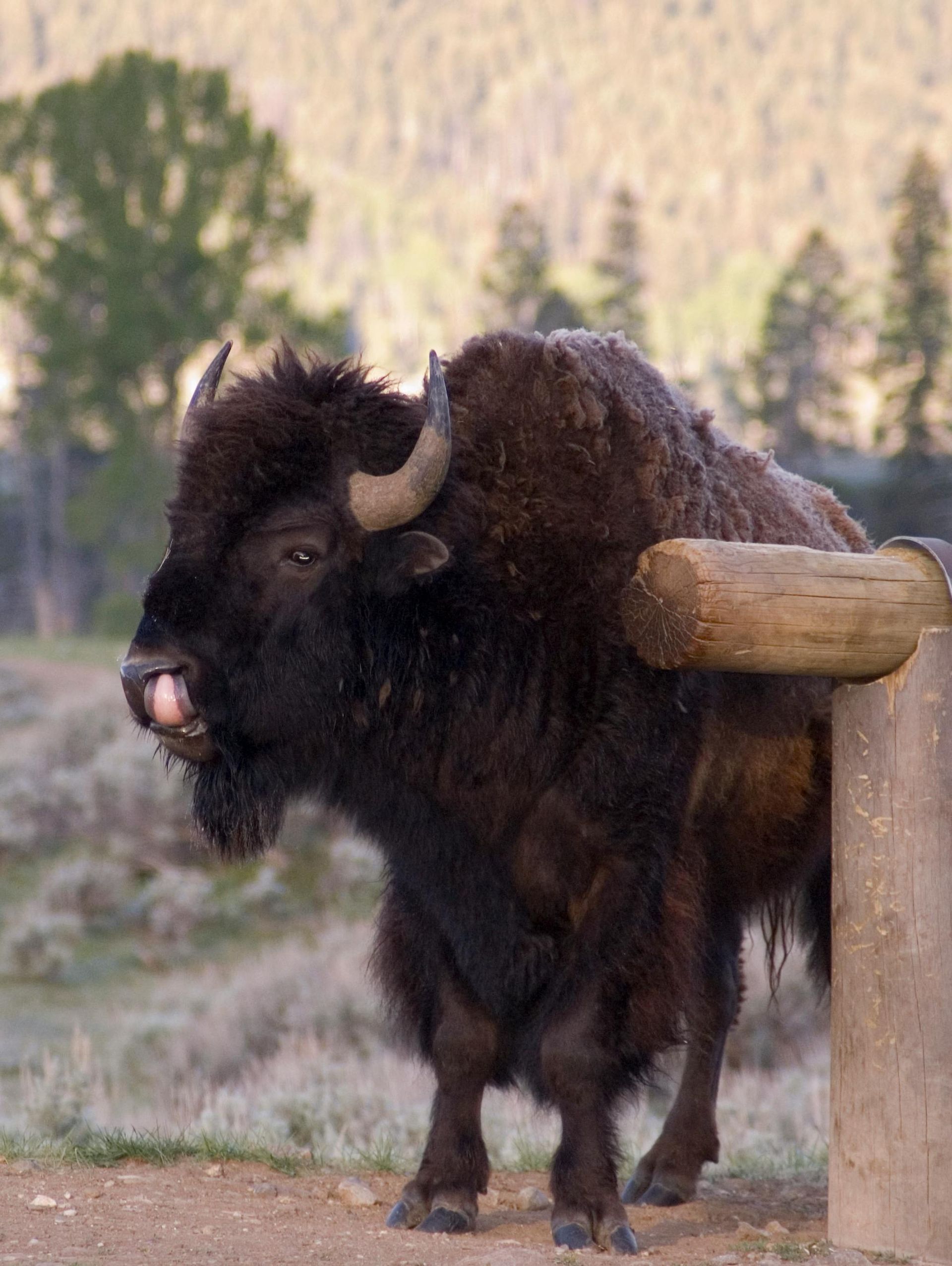
Bison can run at speeds up to 35 miles per hour. They can pivot and charge with almost no warning. They weigh up to 2,000 pounds. And they are wild animals whose behavior is fundamentally unpredictable regardless of how accustomed they are to human presence.
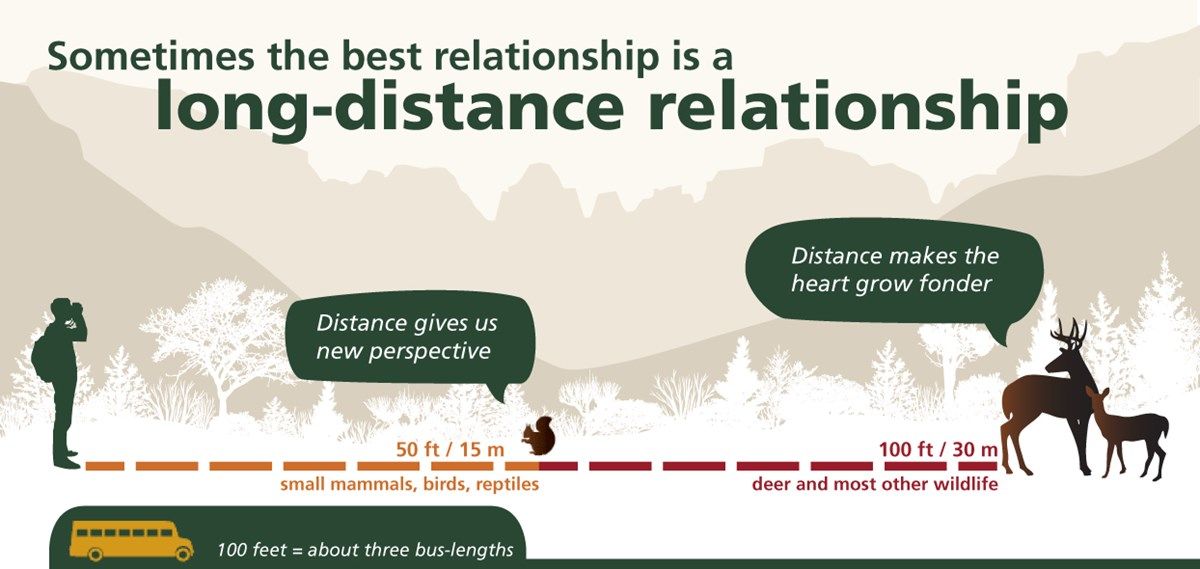
The National Park Service recommends staying at least 25 yards — the length of about two school buses — from bison at all times. In practice what we saw regularly was people approaching to within feet for photographs. On foot. With children. Occasionally trying to pet them.
Do not approach bison. Do not exit your vehicle near bison unless you have a clear and immediate path to safety. If bison are on the road — which happens regularly in Yellowstone, stay in your vehicle and wait. They will move when they are ready.
We want to say something directly about wildlife photography because the pursuit of the perfect shot has become one of the most significant drivers of unsafe and unethical wildlife behavior in popular destinations.

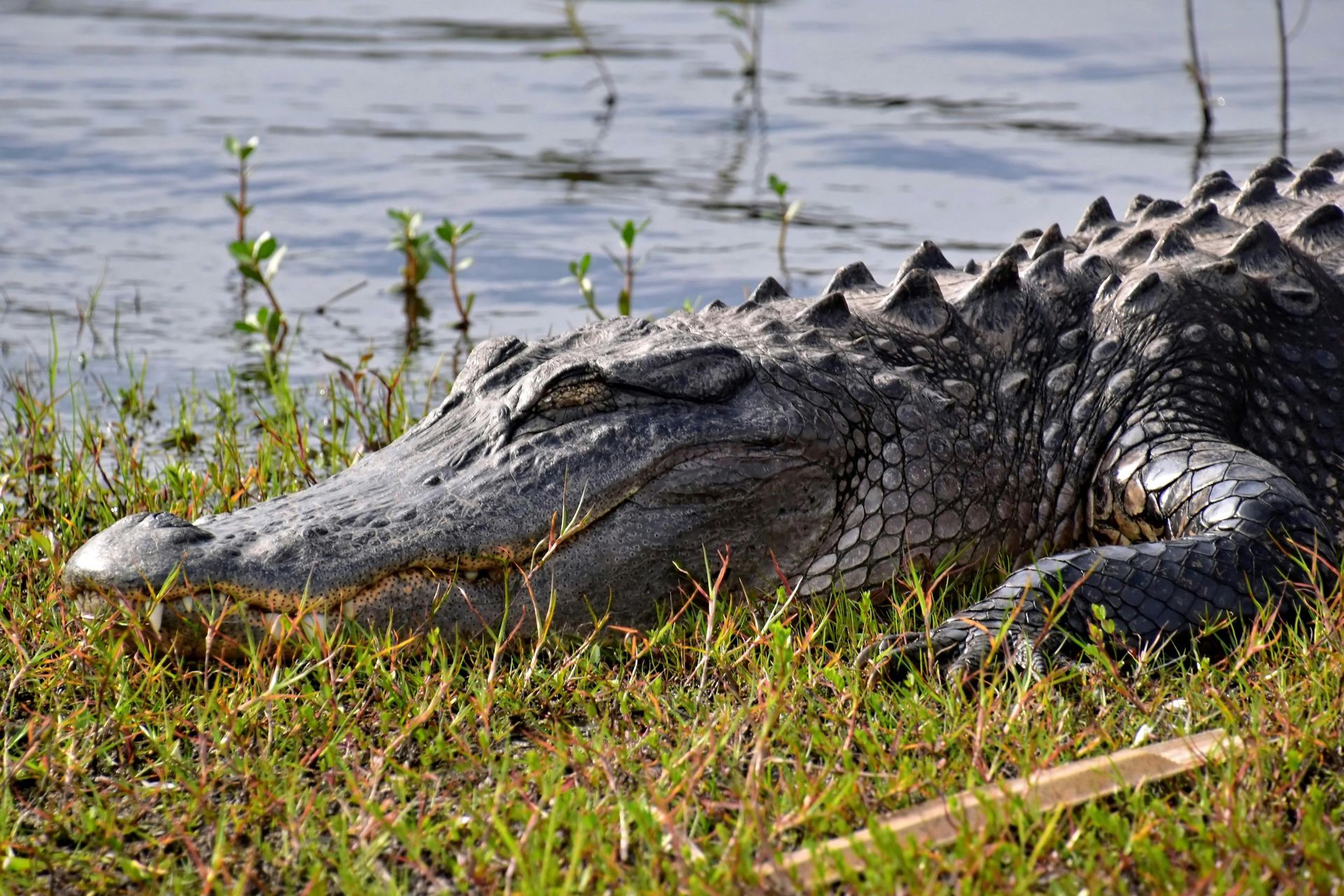
Alligators: Spring Activity in the South
If your spring route takes you through Florida, Georgia, the Carolinas, Louisiana, or anywhere in the Gulf Coast region — alligators are part of the wildlife landscape and
April marks the beginning of their most active season.
Alligators are typically not aggressive toward humans by nature but they are opportunistic and they are fast. The rule is simple and consistent: never feed alligators and never approach them. A fed alligator loses its natural wariness of humans and becomes a danger that wildlife officials will ultimately have to remove — usually permanently.
Keep children and pets away from the water's edge at dawn and dusk when alligators are most active. Do not let small pets near ponds, lakes, or slow moving water in alligator country. And if you see an alligator that appears to be behaving aggressively or is in a location that creates a public safety concern — contact the relevant wildlife authorities rather than attempting to deal with it yourself.

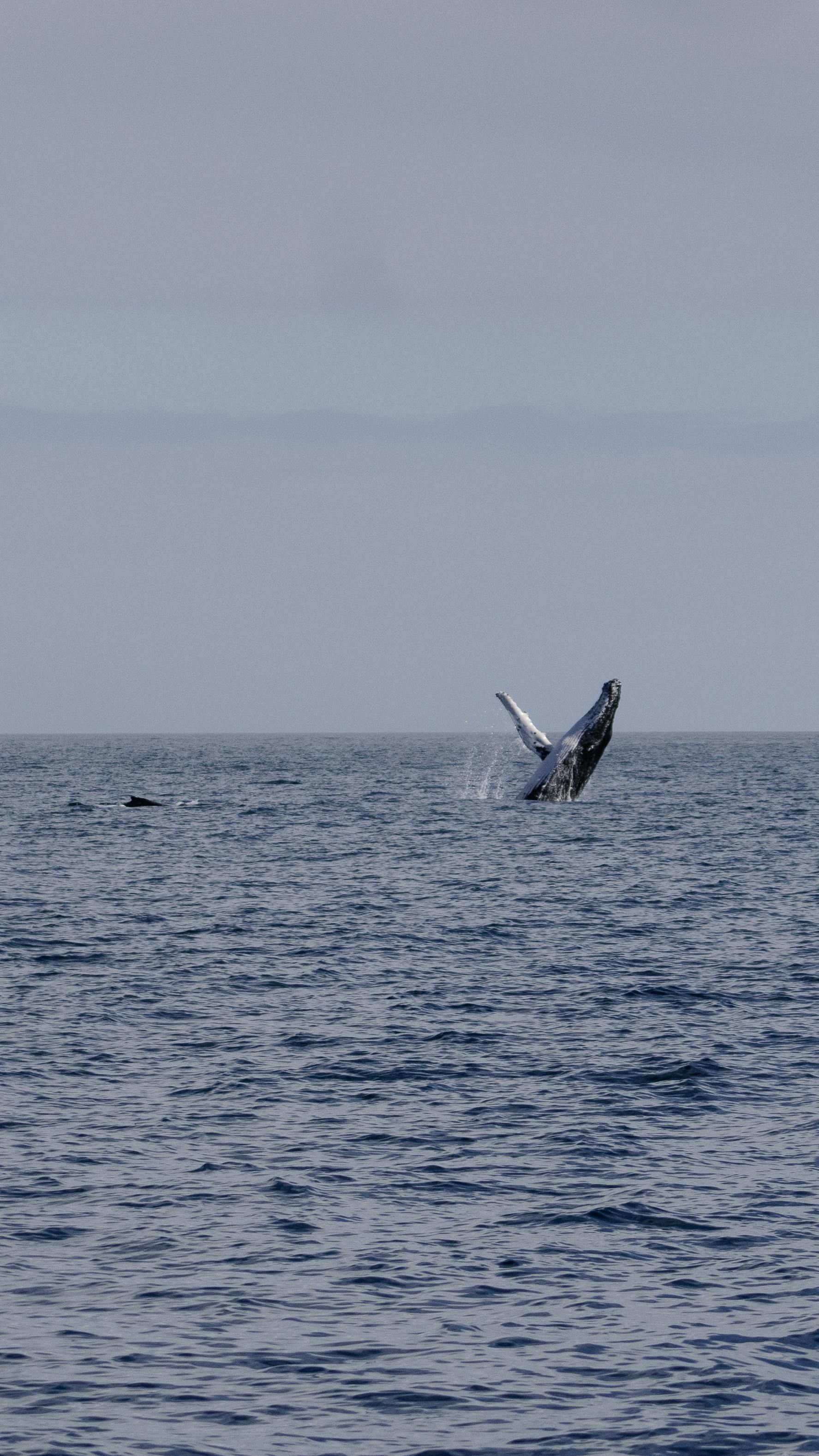
Whale Watching from the Road
April brings some of the best whale watching opportunities on both coasts — gray whales migrating north along the Pacific coast and various species active along the Atlantic seaboard. For RVers traveling coastal routes this is one of the most spectacular wildlife experiences available from the road.
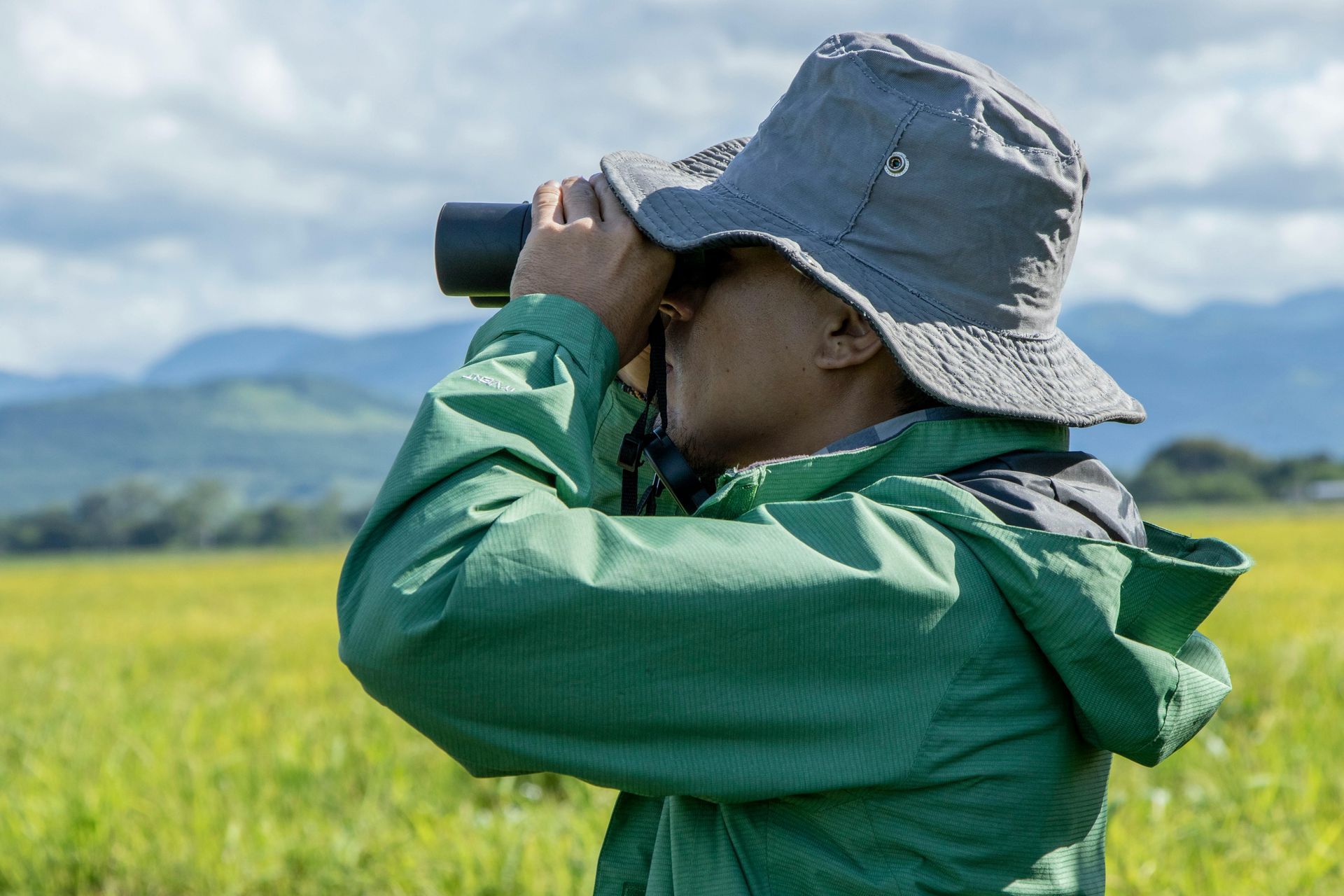
Responsible whale watching from shore is straightforward — keep a respectful distance, use binoculars or a telephoto lens rather than trying to get closer, and if you're on a boat tour choose operators who follow established whale watching guidelines and maintain appropriate distances from the animals.
If you encounter marine mammals on a beach — seals, sea lions, whale strandings — the same principle applies. Do not approach, do not touch, do not attempt to intervene without guidance from wildlife authorities. Marine mammals that appear to be resting on a beach are usually doing exactly that and human intervention often does more harm than good

Wildlife Photography: The Ethical Side of the Perfect Shot
The photograph is not worth it. Not worth your safety. Not worth the animal's safety. Not worth the stress and disruption that results from humans pushing past the boundaries that keep wildlife encounters safe and sustainable.
A photo taken from the appropriate distance with a good zoom lens is a better photograph anyway — because the animal is behaving naturally rather than reacting to a human presence that is too close. The best wildlife photographers know this and work with distance and patience rather than against them.
If getting the shot requires you to leave your vehicle in a no-exit zone, approach closer than the recommended distance, or do anything that causes the animal to change its behavior — the shot is not worth getting.

The Gear Worth Having in Wildlife Country
Bear spray — in bear country, accessible, and understood. Not applied to skin. Ever.
Binoculars — the single most useful piece of wildlife viewing equipment you can carry. Keeps you at a safe distance while bringing the experience close.
A good telephoto or zoom lens — if you're a photographer, this is the investment that changes everything about ethical wildlife photography.
Wildlife field guides — specific to the region you're traveling through. Knowing what you're looking at adds depth to every encounter and helps you understand the behavior you're observing.
A headlamp or flashlight — many wildlife encounters happen at dawn and dusk. Being able to see where you're stepping matters.
A first aid kit — standard travel safety that applies everywhere including wildlife areas.
The animals in Yellowstone, in the Everglades, along the Pacific flyway, in the waters off both coasts — they are not "attractions". They are not props for a photograph. They are not recipients of our generosity when we offer them food.
They are wild animals living wild lives in spaces that are increasingly pressured by human activity.
Every RVer who visits these places has the opportunity to be part of the solution — to model respectful, responsible wildlife interaction for the people around them, to speak up gently when they see someone about to make a mistake, and to leave every wildlife encounter having added nothing negative to the animal's experience of humans.
The woman who wanted to feed the bears animal crackers needed information — not judgment. The mom with the bear spray needed correction — not embarrassment. Most people who make mistakes around wildlife make them from a place of wonder and good intention. They just needed someone to tell them the right way to express it.
Be that person when you see it happening. Gently. Kindly. The way someone did for us when we needed it.
The animals were here first. Let's make sure they're still here for everyone who comes after us.

Quick Reference: Wildlife Safety by Animal
Bears: 100 yard distance minimum. Store food properly. Carry bear spray and know how to deploy it — never apply to skin. Make noise on trails. Know the difference between black bear and grizzly response protocols.
Bison: 25 yard minimum distance. Stay in your vehicle. Do not approach for photos. They are faster than they look.
Alligators: Never approach. Never feed. Keep pets and children away from water's edge at dawn and dusk in alligator country.
Whales and marine mammals: View from appropriate distance. Do not approach stranded marine mammals without wildlife authority guidance.
Snakes: Never approach or try to handle them.
If someone is bitten, get medical help immediately — a photo of the snake from a safe distance can help professionals identify treatment.
All wildlife: Never feed. Never approach beyond recommended distances. Never prioritize a photograph over safety — yours or theirs.
Always follow current wildlife guidelines posted by the relevant land management agency for the specific area you're visiting. Guidelines vary by location and species and are updated regularly based on current conditions.
Other blogs you might like...