
The Roof Coverage Conversation — From Someone Who Works on RV Roofs
Jennifer Schillaci • May 23, 2026
If you've been following along in our insurance miniseries, you already know that RV insurance is not the same as car insurance, and that the gaps in your policy are often where the real financial pain lives.
Today we're talking about your roof.
Because here's the truth nobody puts in the brochure: your roof is one of the most expensive things on your RV to repair & it is also one of the most commonly excluded or disputed claims you'll ever file.

Today we're getting into something I can speak to from direct, on-the-ground experience — roof coverage.
Frank and I run RV Roofing Solutions, a veteran-owned Nationwide mobile RV roofing company that comes to you. We work with insurance companies all the time.
Our teams are on rigs every week — assessing damage, doing installs, talking to RV owners in the middle of stressful situations. And roof coverage is one of the most misunderstood pieces of RV insurance we encounter.
What "Roof Coverage" Usually Means
Most comprehensive RV policies will cover your roof if it's damaged by a sudden, accidental event — think a tree limb coming down in a storm, hail damage, or a collision. That's physical damage coverage doing its job, and in those cases, you're generally in good shape as long as your deductible is manageable and you've documented the damage quickly.
Some carriers, and this is worth asking about specifically, offer additional roof protection riders. Progressive's Roof Protection Plus is one example & we will get into that. It can help cover repair or replacement costs beyond what a standard policy pays out, but it comes with conditions: the RV typically needs to be under six years old to qualify, and — it still excludes damage that results from lack of maintenance. We'll come back to that.

What Roof Coverage Does NOT Cover
This is where people get hurt,
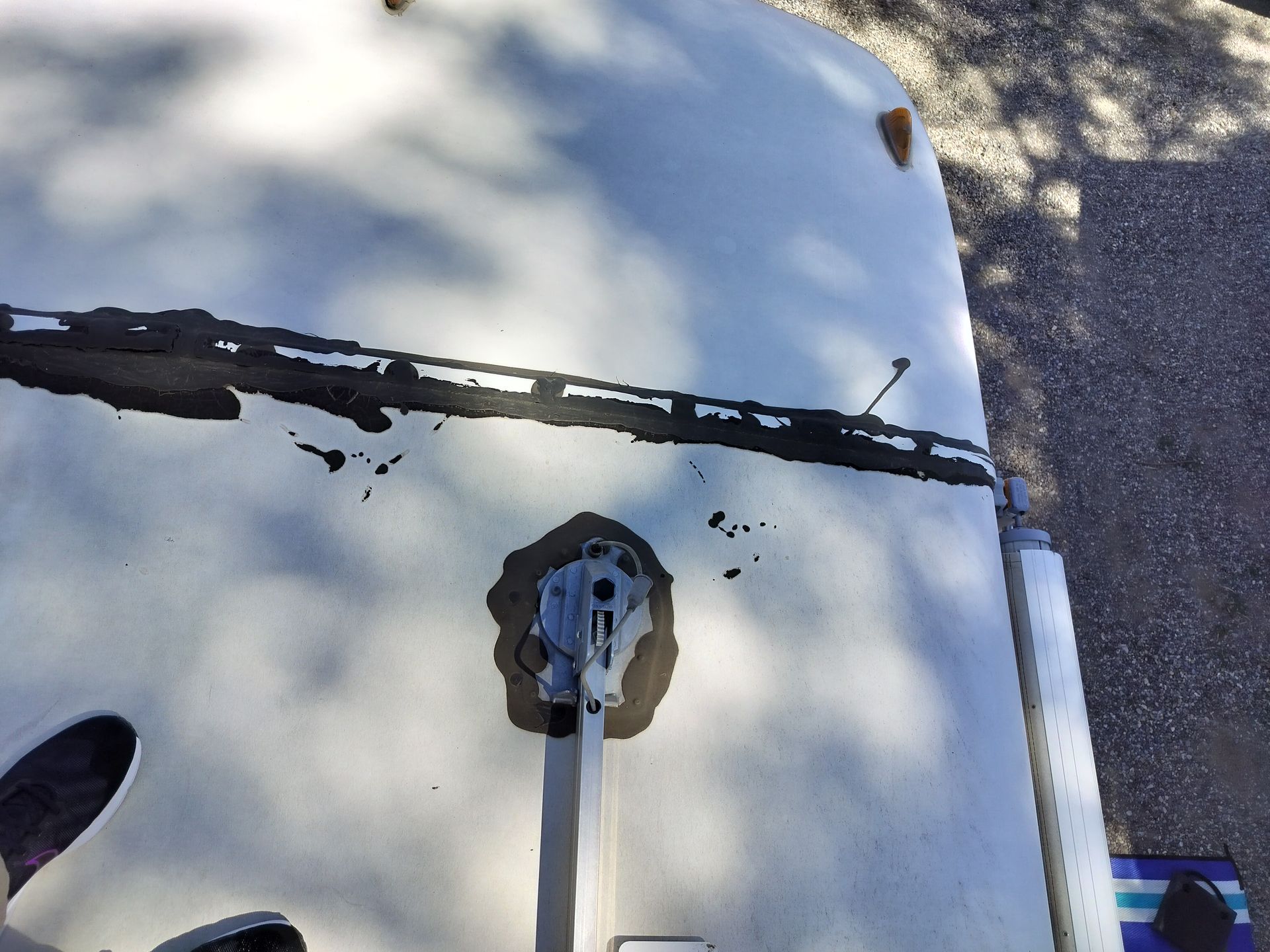
Wear and tear. If your roof has been slowly breaking down over time — seams separating, sealant cracking, the membrane getting brittle — that is not a covered event. That is maintenance. Your policy is not a home warranty.
Pre-existing damage. If there's evidence that water had already been getting in before the "incident" you're claiming, adjusters will often deny the claim or significantly reduce the payout. Water staining, soft spots, delamination on the walls — these tell a story, and the story they tell is that the roof was already compromised.
Improper repairs. If someone patched your roof with the wrong product — or used an incompatible sealant over an existing material — and that repair failed, you may be on the hook. This is especially important if you've had anyone work on your roof and you don't have documentation of what products were used and how the work was done.
Neglected maintenance. This is the big one. Almost every RV insurance policy has language that allows them to deny a claim if the damage is attributable to the owner's failure to maintain the vehicle. That means if you haven't been resealing regularly, if you let a small leak go unaddressed, or if your inspection history is spotty — you've handed them a reason to say no.

Progressive's Roof Protection Plus — What It Actually Says
Progressive offers an optional add-on called Roof Protection Plus. Here is what it covers, based on Progressive's own published policy language:
- Roof damage from weather-related events
- Wear and tear to the roof of your RV
- Damage to your vehicle caused by the roof's malfunction
For many situations, this is a meaningful addition to your policy.
But there are important limitations you need to understand before assuming you are fully covered.
- Age restriction: This coverage is only available for motorhomes and non-stationary travel trailers less than six years old. If your rig is older, this add-on is not available to you.
- Deductible: A minimum of $250 deductible often applies to Roof Protection Plus claims — separate from your other coverage deductibles.
- Maintenance exclusion: Failure to perform routine roof maintenance is listed as grounds for claim denial. If you cannot demonstrate that you have been actively maintaining your roof, a claim can be challenged or denied.
- Business use exclusion: If you work from your RV, coverage may be affected. Review the policy language carefully if you are a full-time remote worker living in your rig.
From RV Roofing Solutions: we have seen more claim denials tied to deferred maintenance than almost any other single factor.
The maintenance exclusion is real and it is enforced. If you carry
Roof Protection Plus, document your maintenance. Keep receipts for sealant, inspections, and any repairs. That documentation is your proof.

Why Maintenance Is Everything
We say it all the time in the RV community: your roof is not something you check once and forget. But when we talk about insurance, maintenance becomes more than best practice — it becomes your paper trail.
Here's what we mean:
Insurance adjusters are trained to look for evidence that the damage was preventable.
A well-maintained roof with documented inspection history tells a completely different story than a roof with failing sealant and no records. If you ever have to file a claim, that documentation is your defense.
What does "documented maintenance" actually look like?
- Annual (or more frequent) roof inspections with photos
- Records of resealing — what product, when, who did it
- Any professional inspection reports
- Repair receipts and invoices if work was done by a mobile RV service or roofing company
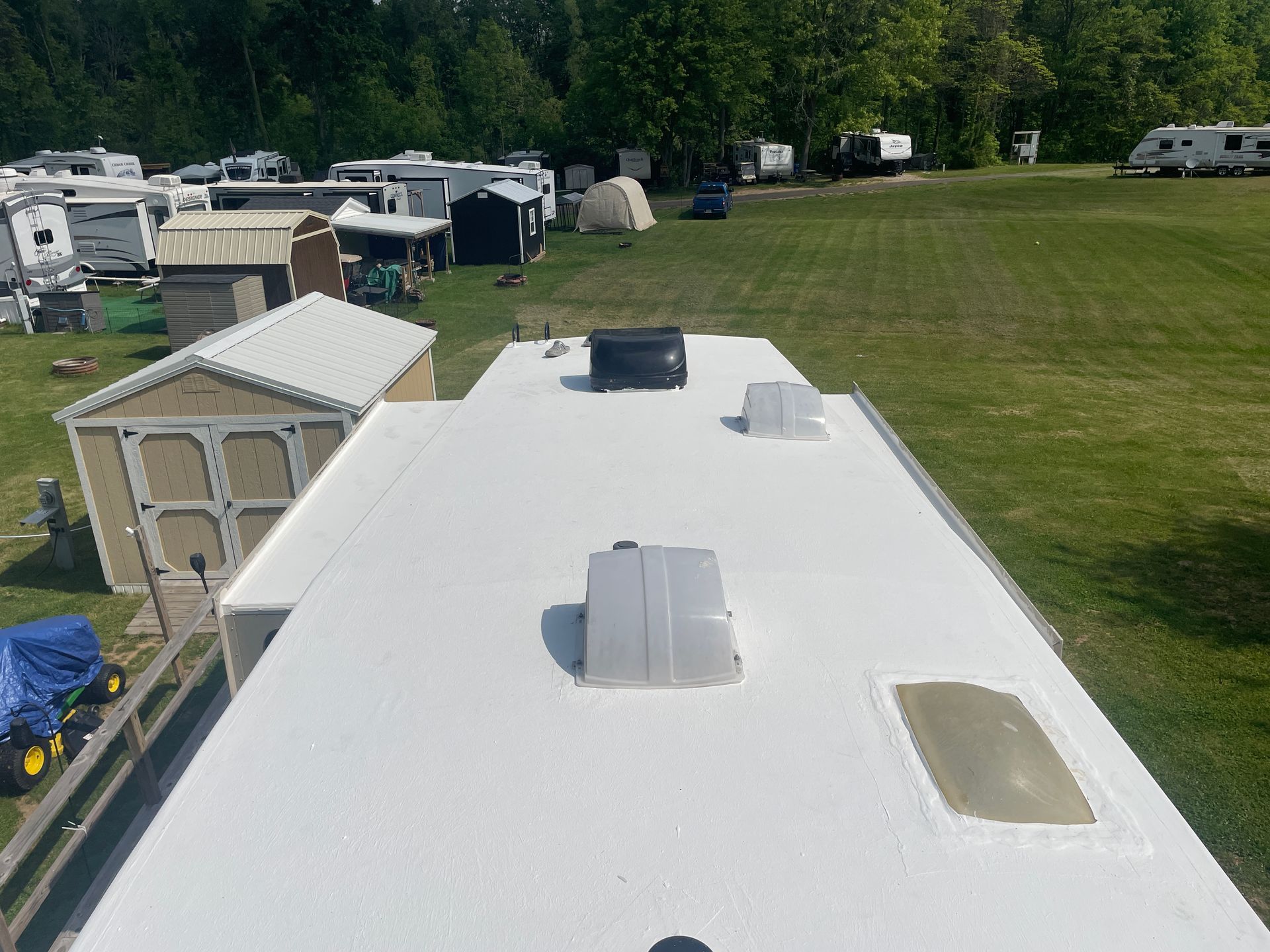
If you don't have this yet, start now. Seriously. Take your phone up on that roof today, do a walkthrough, take photos, and write down the date. That's your baseline.
What Roof Coverage Does Not Typically Replace
No insurance add-on replaces proactive care.
A roof that has been neglected — small cracks left unaddressed, seams that have been failing for a season, moisture working its way in through a compromised membrane — is a liability that insurance coverage may not fully address at claim time.
The best roof coverage is catching problems early.
An annual professional inspection is far less expensive than a denied claim, and far less stressful than discovering water damage that has
been spreading inside your walls for months.
From RV Roofing Solutions:
A brand new rig does not exempt you from roof inspections — and waiting until something looks wrong is often waiting too long.
We recommend inspecting your RV roof at minimum twice a year. Quarterly is what we actually practice and what we advise our clients. That is not overkill. That is how you catch a problem before it becomes a claim.
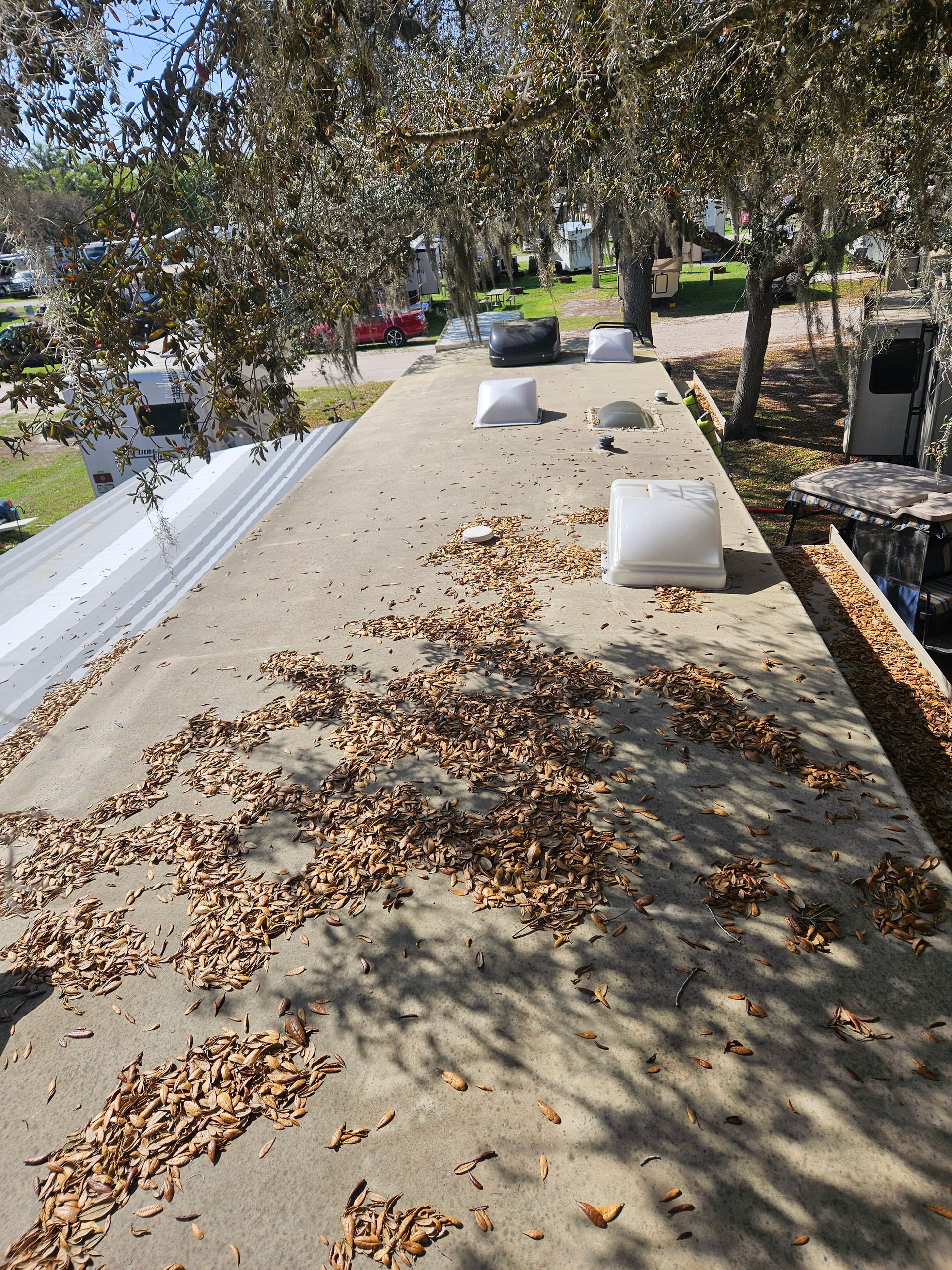
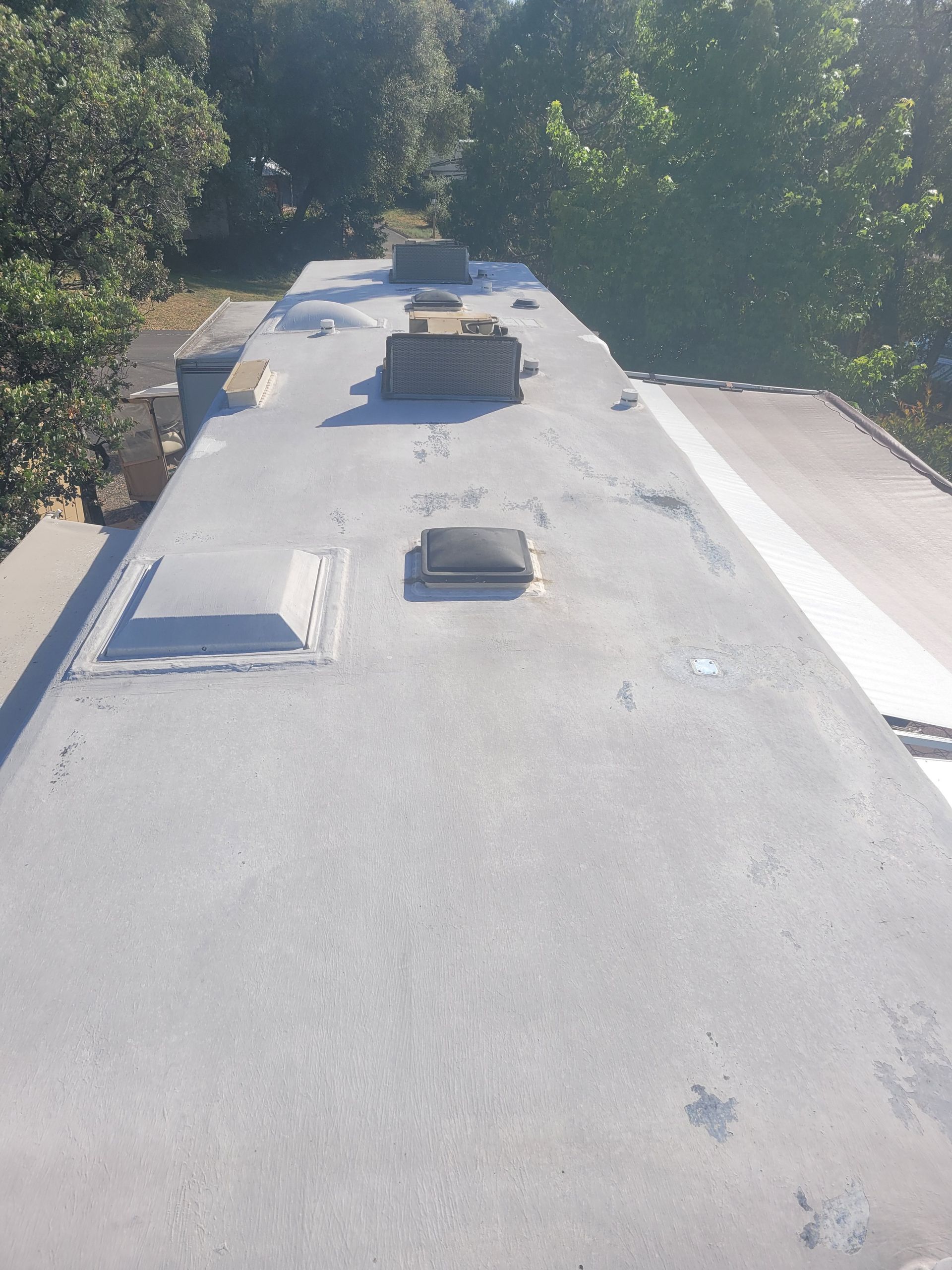
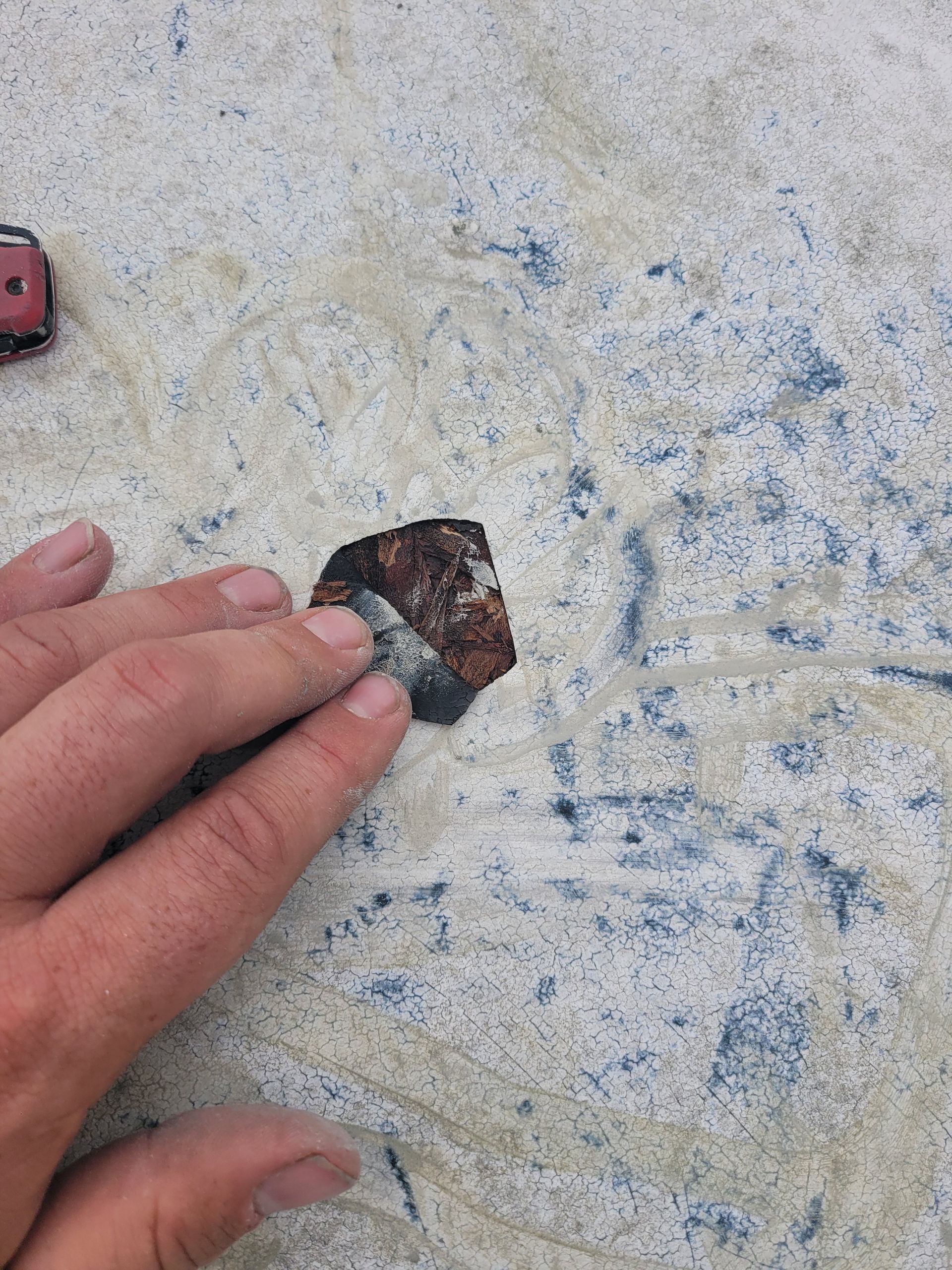
What you are looking for matters too. Cracked caulk, dried caulk, or chalking fiberglass are not just cosmetic issues. They are indicators that something far more serious may be happening beneath the surface. By the time it is visible from the ground, the damage underneath has often already been working on your rig for weeks or months.
Preventive maintenance is not just about keeping your roof intact. It is about keeping your coverage intact — and your investment protected.

Permanent Attachments — Solar, Awnings, Satellite, and Upgrades
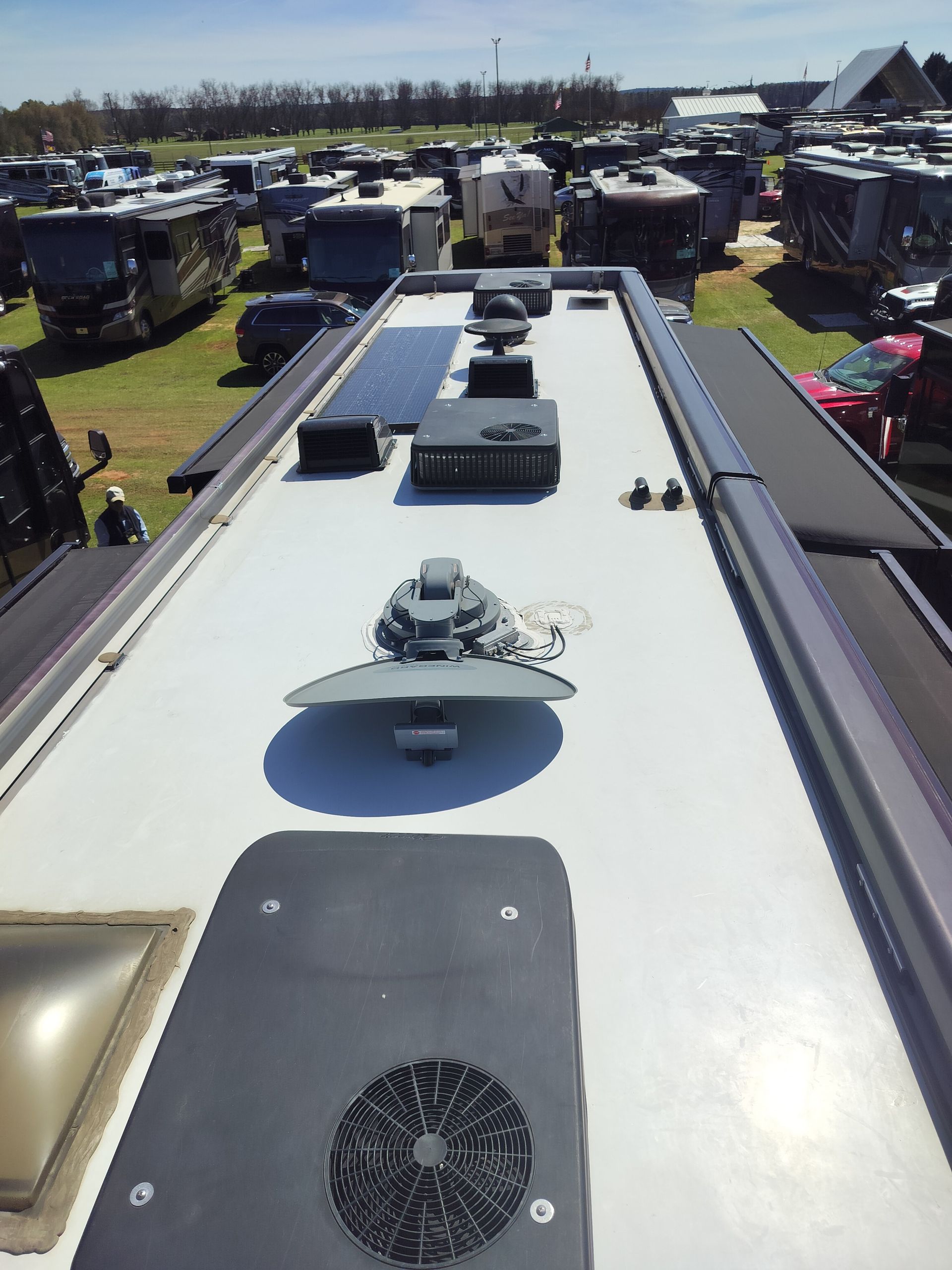
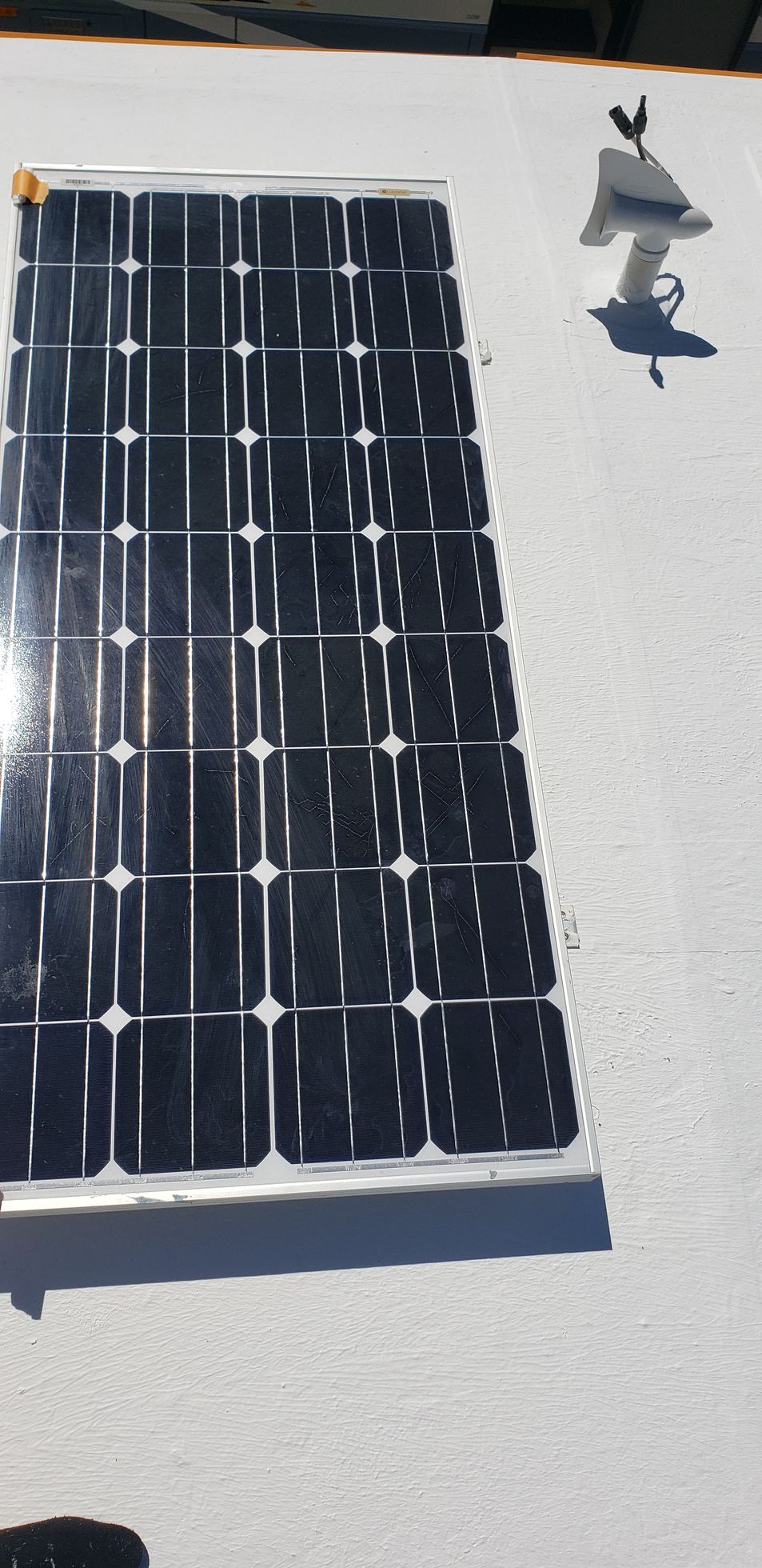
If you have added solar panels, upgraded awnings, a satellite system, or any other permanent attachments to your rig, ask your insurer specifically how those are covered.
Many standard policies include some coverage for permanent attachments, but limits can be lower than the actual replacement cost of what you've installed.
This is especially relevant for full-timers who have invested significantly in solar setups. If you've put $5,000 into a solar array, make sure your policy reflects that value. Don't assume it's automatically included.
A Word on RV Warranties
While we're talking about coverage, it's worth a brief mention: an RV warranty — whether a manufacturer warranty or an aftermarket extended service contract — is not the same as insurance.
Warranties typically cover mechanical failures and defects. They do not cover accident damage, weather events, theft, or the kinds of scenarios your insurance policy is designed for.
For full-timers especially, a solid extended warranty can be a meaningful financial buffer for mechanical repairs that insurance won't touch.
Think of it as a complement to your insurance coverage, not a substitute. Just don't confuse the two or assume one fills the gaps of the other.

A Word About Age, Coverage & Why Not All Roof "Systems" Are Equal
The older your RV gets, the harder it becomes to get robust roof coverage & the more important it becomes that you actually understand what your policy says. Some carriers will cap what they pay on older roofs.
Others depreciate the value heavily, meaning even a covered claim might pay out far less than the actual repair cost. A few specialty RV insurers offer agreed value policies that protect you better in those situations, but you have to ask for them and you have to qualify.
If your rig is getting up there in years, pull out your policy right now and look for these four phrases: actual cash value, depreciation, age restrictions, and maintenance exclusions. Those are the spots where older-rig owners tend to lose the most money at claim time.
The Bottom Line on Age and Aftermarket Systems
A quality roof coating or system, applied correctly on a sound substrate by someone who knows RV roofs specifically, like RV Roofing Solutions can genuinely extend the life of your rig and protect your investment when insurance coverage starts to thin out. But a cheap coating slapped over a compromised membrane by someone who doesn't know the difference between TPO and EPDM? That's not a solution.
Do your homework. Ask the questions & when in doubt — get a second opinion from someone who makes their living on RV roofs, not residential ones.
Sometimes, even if you do everything right — hire a qualified installer, use the correct product for your membrane, get it done properly — that doesn't mean your insurance company is going to pay for it.
Most standard RV policies cover sudden, accidental damage. They are not designed to fund maintenance, upgrades, or proactive repairs, even if they are smart, necessary ones. If you invest in a roof coating system to extend the life of an aging roof, that cost may end up coming out of your pocket.
That often means if something goes wrong after that work is done, say a seam fails or a new leak develops, your carrier is going to look very carefully at whether that aftermarket system was installed correctly, whether the products used were compatible with your original membrane, and whether any of it contributed to the damage.
This is why documentation matters at every stage — not just for your regular maintenance, but for any professional work done on your roof. Get the invoice. Get the product names and model numbers in writing. Keep the warranty paperwork. If a claim ever comes up, you want a paper trail that shows you made informed decisions with qualified people, not just that you bought something off the internet and rolled it on yourself.
Your roof is your responsibility. Your insurance policy is a safety net for accidents — not a substitute for protecting what you already have.
Up next in Part 4 — and this is the one I hear about most from our RV Roofing Solutions clients: your deductible. Most people don't know theirs. A lot of people chose a high deductible to lower their monthly cost without realizing what that actually means when damage happens. That conversation is next.
LEGAL NOTE: General educational information only. Not professional insurance or legal advice. Policy details for Progressive Roof Protection Plus are based on publicly available information at time of writing and are subject to change. Consult a licensed insurance agent and read your own policy documents before proceeding.
Other blogs you might like...