The Sugar Beet Harvest: A Unique Opportunity for Seasonal Work

Cody Robertson • May 3, 2025

If you’re living the nomadic lifestyle - traveling in a bus, van, or RV - you might be looking for a way to earn some extra cash while exploring new places. One seasonal work opportunity that has become popular among nomads is the Sugar Beet Harvest. This Seasonal gig offers the chance to earn good money in a short period of time, all while being part of a close-knit community of seasonal workers. In this article, we’ll dive into what the sugar beet harvest involves, what you can expect from the experience, and how to decide if it’s the right fit for you.

What is the Sugar Beet Harvest?

A man in a hard hat is holding a large pile of carrots

The Sugar Beet Harvest is an annual event hired by Express Employment Professionals in Grand Forks, ND where workers assist with the beet piles, directing traffic in and out of the piler, keeping a cleaned work area, working with your team, and taking beet samples.. It’s a physically demanding as you can be on your feet for long hours but it is a rewarding job, and it's often done in a short timeline. In the U.S., two main regions host sugar beet harvests: Eastern North Dakota and Western Minnesota (called The Unbeetable Experience) and the Thumb of Michigan (The Michigan Beet Harvest). Both harvests are managed by different companies - American Crystal Sugar in the North Dakota/Minnesota region and Michigan Sugar Company in Michigan.


Each region has its own set of responsibilities, pay structures, and shift schedules, so it’s essential to research each option to determine which is the best fit for your lifestyle and goals.

The Work: Roles and Responsibilities

At the heart of the sugar beet harvest are the piling sites, where workers help to sort, sample, and pile the harvested beets. There are a variety of roles at the piling sites, and the work can be divided into three  main categories:


  1. Ground Crew: This is the main position that Express hires for and is the only one they can guarantee. As a member of the ground crew, your responsibilities will include collecting beet samples from trucks, ensuring that the trucks are properly guided to the correct pile locations, and communicating with truck drivers to keep the flow of work going smoothly. It’s a job that keeps you on your feet, moving, and interacting with others throughout the shift. Weather conditions can impact the work; if conditions aren’t ideal, piling may stop temporarily.
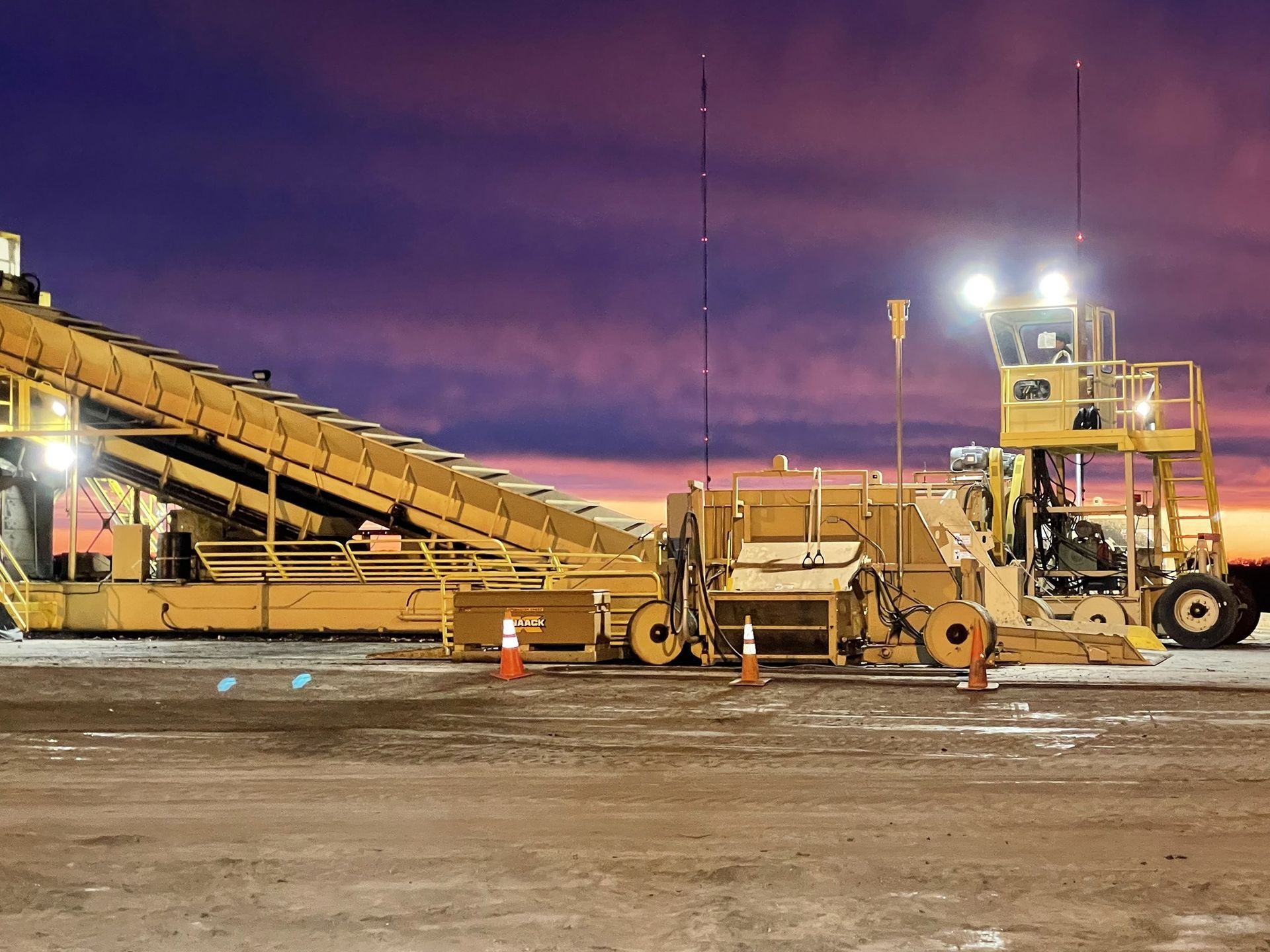
  2. Piler Operator: The piler operator controls the equipment that builds the massive piles of beets - often reaching heights of 30 feet and lengths of over 240 feet. This job requires precision, attention to detail, and the ability to communicate effectively with the ground crew and truck drivers to maintain the safety and efficiency of operations.
  3. Skidsteer/Special Equipment Operator: In addition to the main roles of ground crew and piler operator, there is also the position of Skidsteer/Special Equipment Operator. This role involves operating specialized equipment such as skidsteers, front-end loaders, and other machinery used to help with the movement and placement of beets. Operators are responsible for clearing pathways, moving smaller piles, or handling beets that might be too scattered or difficult to handle with the main piler. This position requires a good understanding of machinery and the ability to work in coordination with the rest of the crew to maintain a smooth and efficient operation.


For all of the roles, safety is a major focus. Workers are trained on the equipment and procedures before the harvest begins. In North Dakota and Minnesota, workers undergo thorough safety training on-site, while in Michigan, there is a combination of office orientation and paid hands-on training. Express does not do the hiring for the specialty positions, American Crystal Sugar and Michigan Sugar will hand pick their specialty workers and put them through a tryout/training to see what you can do.

A large yellow machine is parked in a parking lot at night.

Shift Schedules: What to Expect

Sugar beet harvests tend to involve long hours and irregular shifts. The work can be physically demanding, especially during long days outside in varying weather conditions.


  • North Dakota / Minnesota (The Unbeetable Experience): Workers typically work 12-hour shifts—either day or night shifts. These shifts are organized into two sets: one starting before sunrise and ending after sunset, and the other being a night shift, your shift is not guaranteed and you will be placed on the needs of our piling sites.
  • Michigan (Michigan Beet Harvest): Shifts here are usually 9-hour shifts, though longer shifts of 12 hours may occasionally be required. The workday can start as early as 6:30 a.m. or as late as 7:00 p.m., depending on the schedule.


Both harvests offer a combination of day and night shifts, meaning workers may experience long workdays. Despite the exhaustion, many workers find that the routine and camaraderie make the experience enjoyable.

The Campground and Community Atmosphere

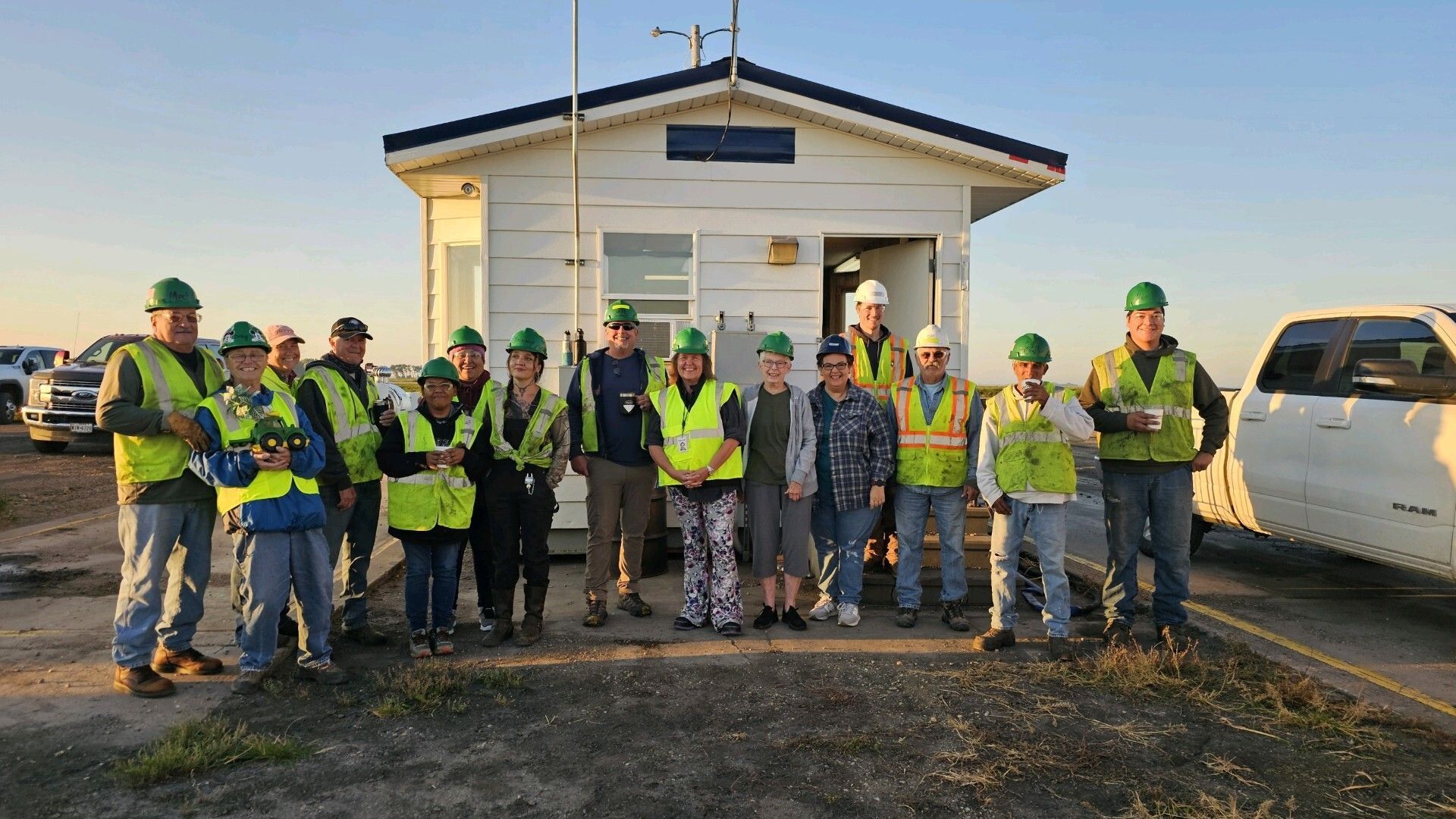
A group of construction workers are posing for a picture in front of a small building.

One of the highlights of working the sugar beet harvest is the campground provided by Express Employment Professionals. The campground is free and serves as a gathering place for seasonal workers, many of whom travel in RVs, buses, vans, and other types of mobile homes. Living alongside others who are working the harvest can create a sense of community, with workers sharing stories, making new friends, and often returning year after year to reconnect.


This unique social aspect of the harvest is one of its major draws. The sense of camaraderie, the shared experience of hard work, and the simple routines of life on the harvest grounds help to create lasting bonds between workers, which many people look forward to each year.

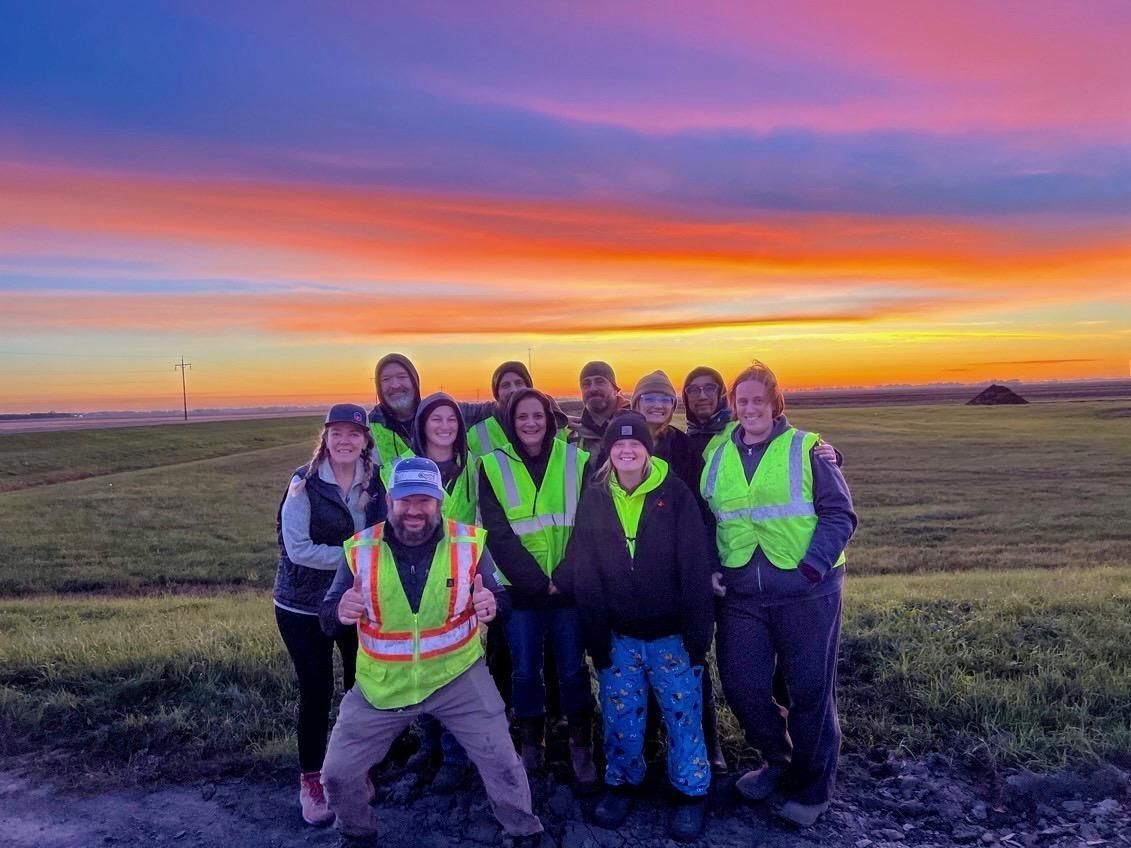
A group of people are posing for a picture in a field at sunset.

Pay and Benefits

While the sugar beet harvest may not make you a fortune, it provides a solid opportunity to earn a good wage in a short period of time. Workers typically earn a competitive pay rate for the duration of the season, which can range from 10 to 21 days, depending on the region and weather conditions.


Each harvest (in North Dakota/Minnesota and Michigan) offers unique pay structures and additional benefits, such as completion bonuses and Stay Pay in case of weather-related delays. However, the specific rates, bonuses, and benefits can vary significantly between the two regions.


To get the most accurate and up-to-date information about pay rates, bonuses, and other benefits, it's a good idea to visit the official websites for each harvest: www.michiganbeetharvest.com or www.theunbeetableexperience.com  These sites will provide you with all the details you need to make an informed decision based on your goals and preferences.

The Experience: More Than Just a Job

Many workers go into the sugar beet harvest expecting it to be just a job, but many leave with more than just a paycheck. The physical nature of the work, the outdoor environment, and the tight-knit community of workers all contribute to making this a unique experience that many people return to year after year.


Though the work can be challenging, it offers a sense of purpose and a predictable routine that some workers find surprisingly satisfying. For nomads, it's an excellent way to fund their travels, make new friends, and gain new experiences that enrich their journey.

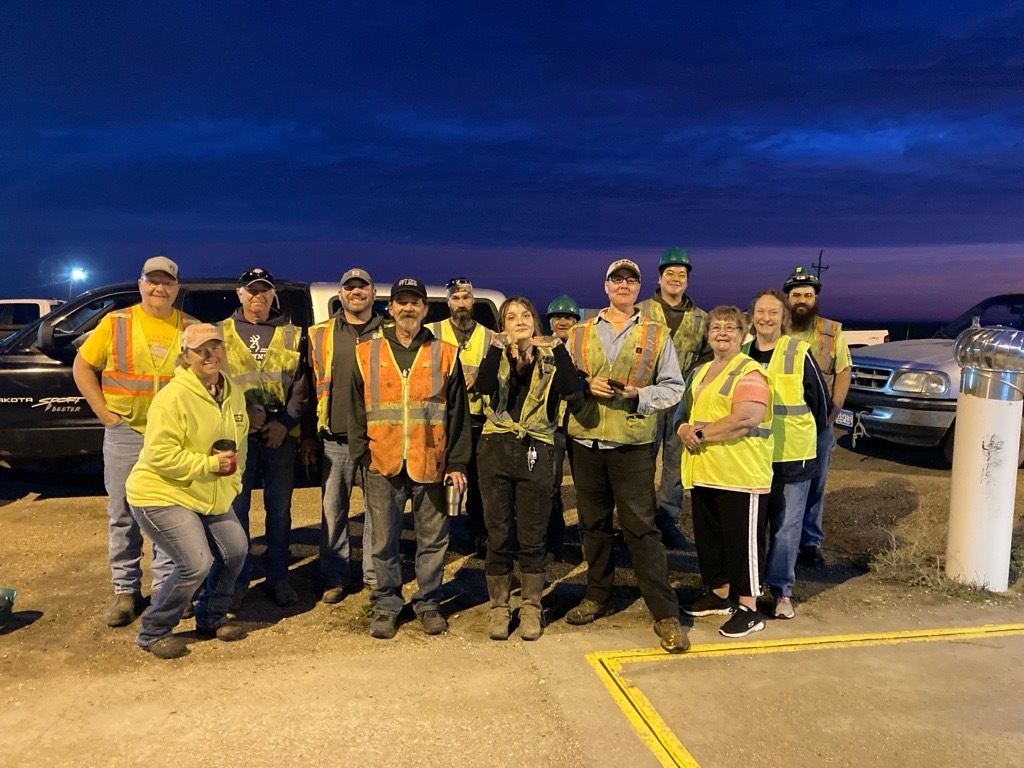
A group of people wearing safety vests are posing for a picture in a parking lot.

Closing Thoughts: Is the Sugar Beet Harvest Right for You?

If you're considering the sugar beet harvest as a way to earn money while living on the road, it's important to weigh the pros and cons. The physical demands and long shifts aren't for everyone, but if you enjoy hard work, outdoor environments, and being part of a supportive community, it could be the perfect opportunity.


To learn more about these harvest opportunities or to apply, visit the official websites for The Unbeetable Experience (www.theunbeetableexperience.com) or The Michigan Beet Harvest (www.michiganbeetharvest.com). You can also follow their social media pages for weekly updates and tips.


By doing your research and considering your personal preferences and lifestyle, you can make an informed decision about whether the sugar beet harvest is the right fit for your next adventure.

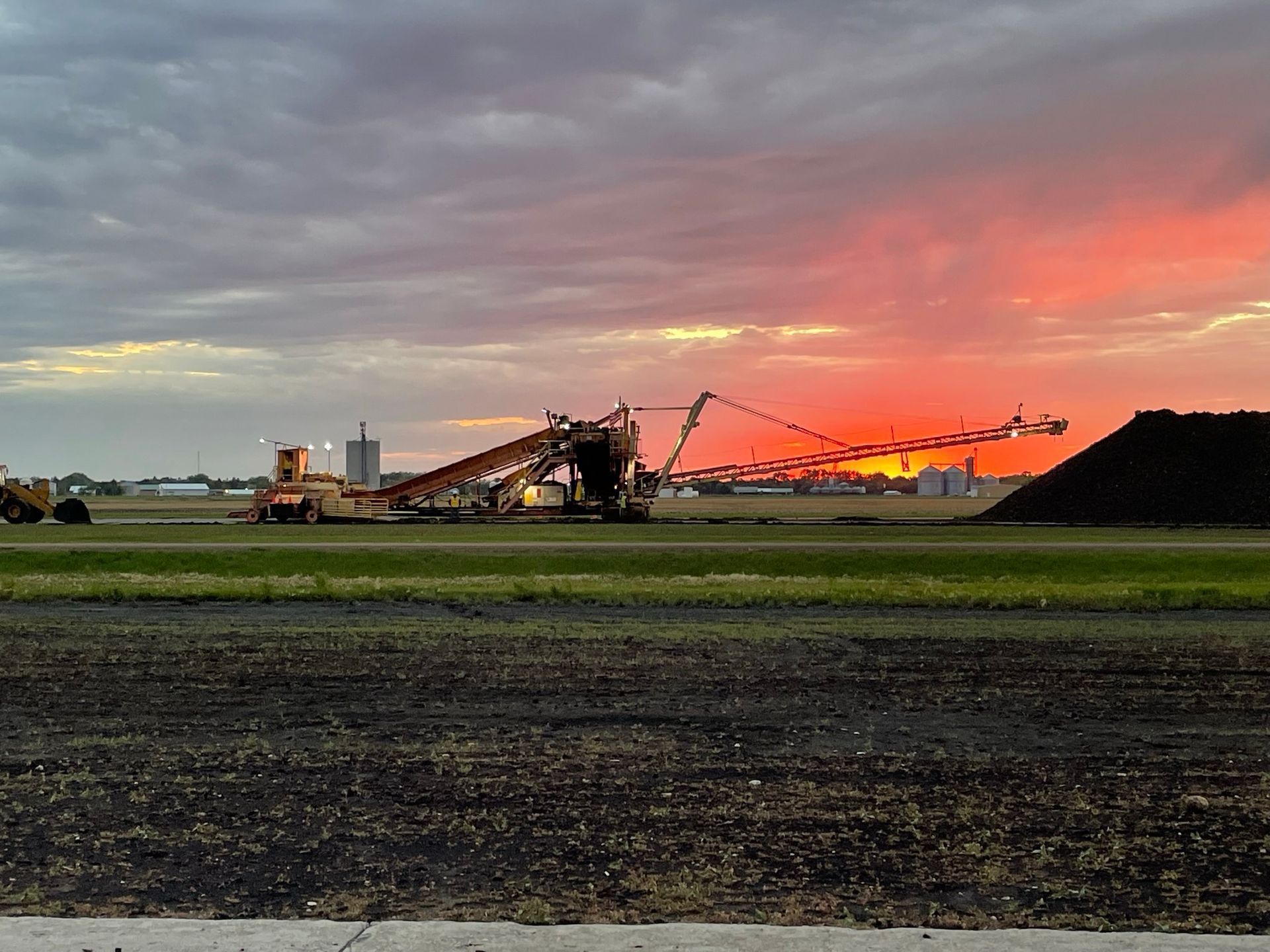
A large pile of dirt is sitting in the middle of a field at sunset.

Other blogs you might like...

By Ashley Gallaher December 18, 2025
We recently had the chance to sit down with Jennifer, one of the hosts of the Learn to RV Podcast, and it was a great conversation that took us back to the very beginning of our full-time RV journey. In the podcast, we shared who we are as a family, why we chose to sell the house, get rid of (most of) our stuff, and hit the road. We talked about what life really looks like when your home has wheels. It was less about highlight reels and more about honest moments, learning as we go, and figuring things out one mile at a time
By Michael Gardner December 17, 2025
Why a Mini Smart Telescope Is Ideal for RV Living
By Jennifer Schillaci December 16, 2025
Celebrating the Holiday Season with Cookies, Campfires & Christmas Lights
By Kirsten McCormick December 11, 2025
Picture this: Ask your teenager what gifts they received last Christmas. Now ask them about their most memorable adventure. Which question sparks more enthusiasm and detailed stories? The truth is, most physical gifts—even those met with initial excitement—often end up collecting dust, breaking, or being outgrown as interests change. But experiences? They become part of who we are, weaving themselves into the fabric of our memories and shaping our character in lasting ways. 
By Jennifer Schillaci December 10, 2025
Surprising Symptoms, Honest Conversations, and Life on Wheels
By Amanda Pelser December 9, 2025
How Homeopathy Supports the Body During Colds and Flus
By Jennifer Aggio December 4, 2025
Let's talk about the thing nobody wants to talk about—but every RVer deals with: RV tank problems . Foul odors. Clogged black tanks. Inaccurate sensors. Slow drainage. The dreaded poop pyramid. Sound familiar? Here's what most RVers don't realize: your onboard tank flush system isn't enough . Those built-in sprayers don't penetrate buildup, remove struvite stones, or scrub away mold and sludge that accumulates over time. That's where professional RV tank cleaning comes in—and that's where Tank Rangers steps up. Tank Rangers is a nationwide RV tank cleaning service with nearly three dozen locations across the country, offering professional hydro-jetting for both black tanks and gray tanks. Whether you're dealing with sensor issues, stubborn odors, or just want preventative maintenance, Tank Rangers provides mess-free, thorough cleaning that gets your tanks back to factory condition. In this guide, we're covering why professional tank cleaning matters, what happens during service, common RV tank myths, DIY maintenance tips, and how to find Tank Rangers near you. Want to hear the full story? We sat down with founder Gabe on our Community Spotlight podcast episode! 
By Jennifer Skinnell December 3, 2025
AT&T Stadium
By Jennifer Schillaci December 2, 2025
Escapee's C.A.R.E. Program, Traveling with a Purpose & Lasagna Love
By Jennifer Schillaci December 1, 2025
From Motorhomes to Movement: How FMCA’s Quiet Shift and FRVA’s Bold Vision Are Reshaping The RV Community
Show More