Menopause on the Road: RV Life, Family, and Finally Talking About It
Jennifer Schillaci • December 10, 2025
Surprising Symptoms, Honest Conversations, and Life on Wheels

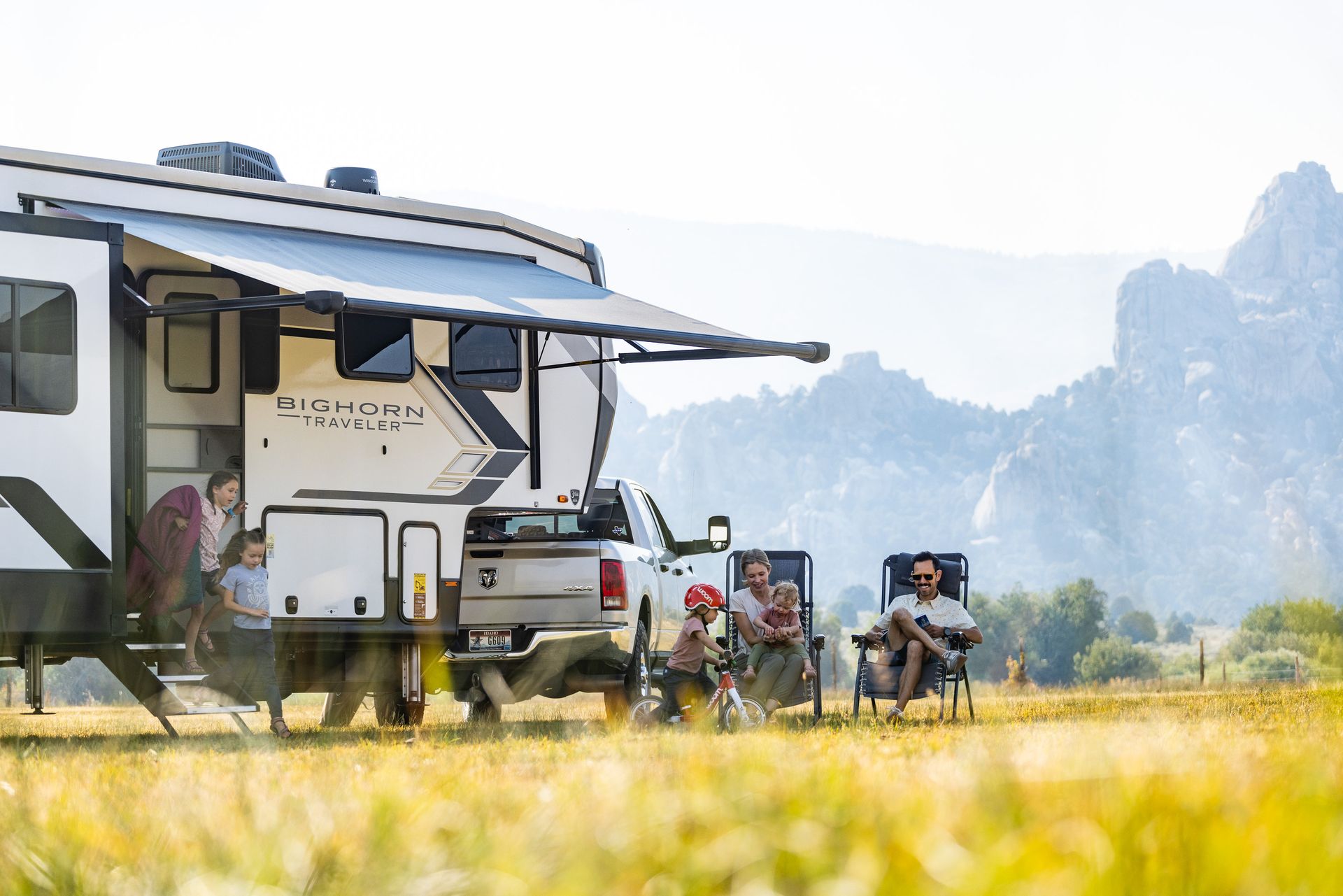
Life on the road is full of adventure—new places, new people, and new challenges & lots of change.
For many RVing families, one of those challenges is navigating peri-menopause & menopause while living in close quarters with a spouse and kids. It’s not always easy, but it’s also an opportunity to grow together with honesty, humor, and compassion.
Menopause is also a season of change.
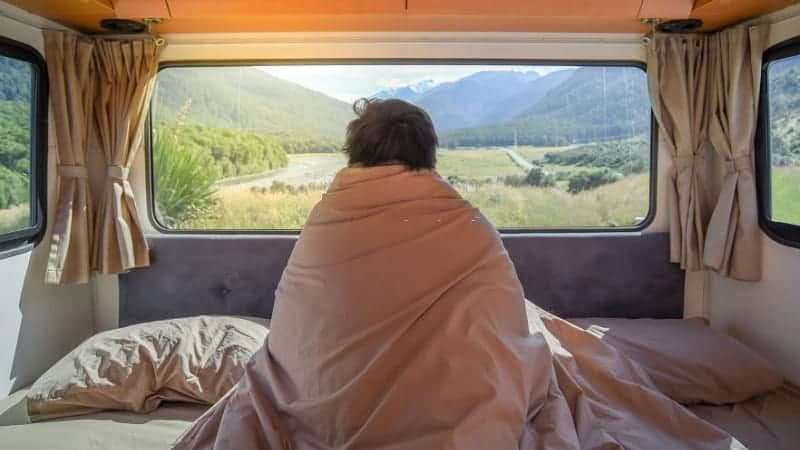
Hot flashes, mood swings, and shifting energy levels can feel magnified when you’re sharing a small space. In an RV, there’s no “other room” to retreat to, and that makes grace and understanding essential. It’s about recognizing that this isn’t just a physical transition—it’s emotional, relational, and deeply human.
What makes this moment different from when our mothers went through it is the conversation. My mom’s generation often endured menopause silently, with little support or open dialogue. Today, we’re better at talking about it. We’re naming the challenges, sharing stories, and inviting our families into the process. That openness makes all the difference.

Practical Tips for RV Life + Menopause
Cooling Hacks: Keep a small fan by the bed, invest in breathable bedding, and use reflective shades to keep the RV cooler during hot flashes.
Flexible Travel Plans: Build downtime into your schedule. If energy levels dip, don’t feel pressured to keep moving—sometimes staying put is the best gift.
Privacy Strategies: Create small rituals that signal “me time,” like morning walks, journaling, or a solo coffee outside. Even in tight quarters, boundaries matter.
Healthy Habits: Stock the RV pantry with snacks that stabilize energy (nuts, fruit, yogurt) and stay hydrated—especially important during hormonal shifts.
Communication Tips With Family
With Your Spouse: Be clear about what you need in the moment—whether it’s space, patience, or a laugh. Encourage them to ask questions instead of making assumptions.
With Your Kids: Use this as a teaching moment. Explain that bodies change, emotions shift, and that it’s all part of life. It builds empathy and normalizes conversations about health.
With Yourself: Practice self-compassion. Remind yourself that menopause is not a weakness—it’s a transition, and you deserve grace.
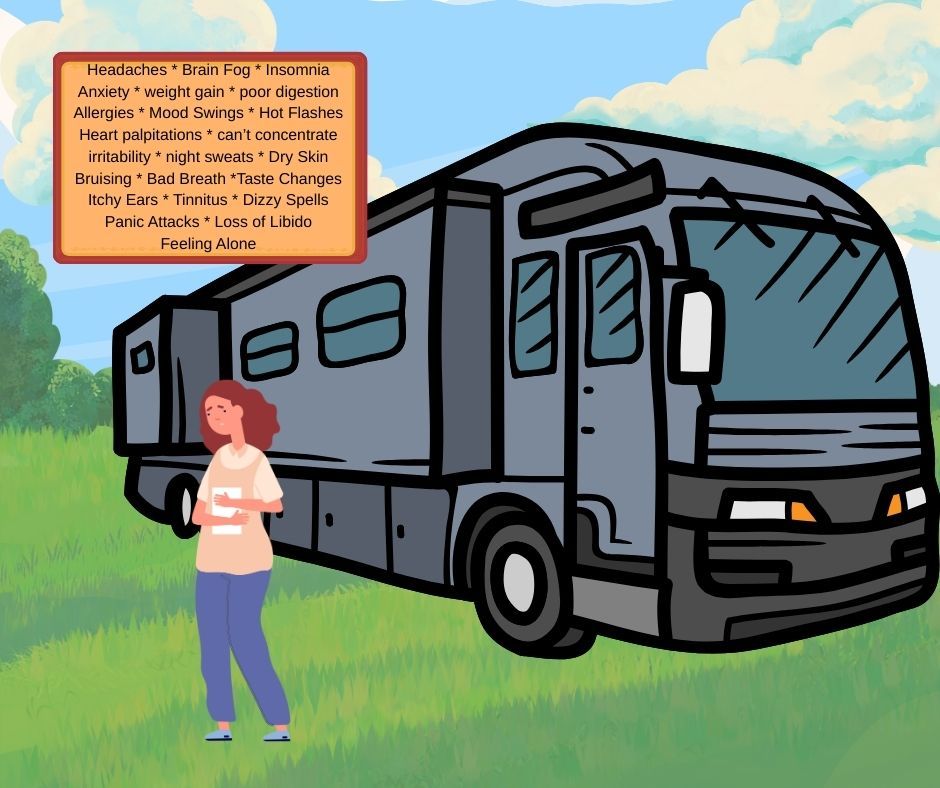
Menopause can bring some truly surprising symptoms beyond the “usual suspects” like hot flashes and mood swings. These lesser-known changes often catch women off guard, but they’re real and linked to hormonal shifts.
Unexpected Menopause Symptoms
- Tingling or “pins and needles” sensations in hands, feet, or extremities due to changes in circulation and nerve function.
- Electric shock feelings — brief zaps or jolts under the skin, sometimes right before a hot flash.
- Burning mouth syndrome, with sensations of heat or discomfort in the tongue or lips.
- Metallic taste in the mouth, altering how food and drinks taste.
- Changes in body odor, as hormone fluctuations affect sweat composition.
- Itchy or dry skin, sometimes intense enough to feel like a rash even without visible irritation.
- Voice changes, where vocal cords thicken and the voice becomes deeper or hoarser.
- New allergies or sensitivities, including reactions to foods or environmental triggers that never bothered you before.
- Tinnitus (ringing or buzzing in the ears), linked to estrogen’s role in circulation and auditory health.
- Unexpected hair growth (like facial hair or hair in unusual places) due to shifts in androgen levels.
- Breast tenderness from hormonal fluctuations and changes in body composition.
- Digestive issues such as bloating, discomfort, or gastrointestinal upsets.

When the Guys Took the Mic: Talking Marriage, RV Life, and Menopause
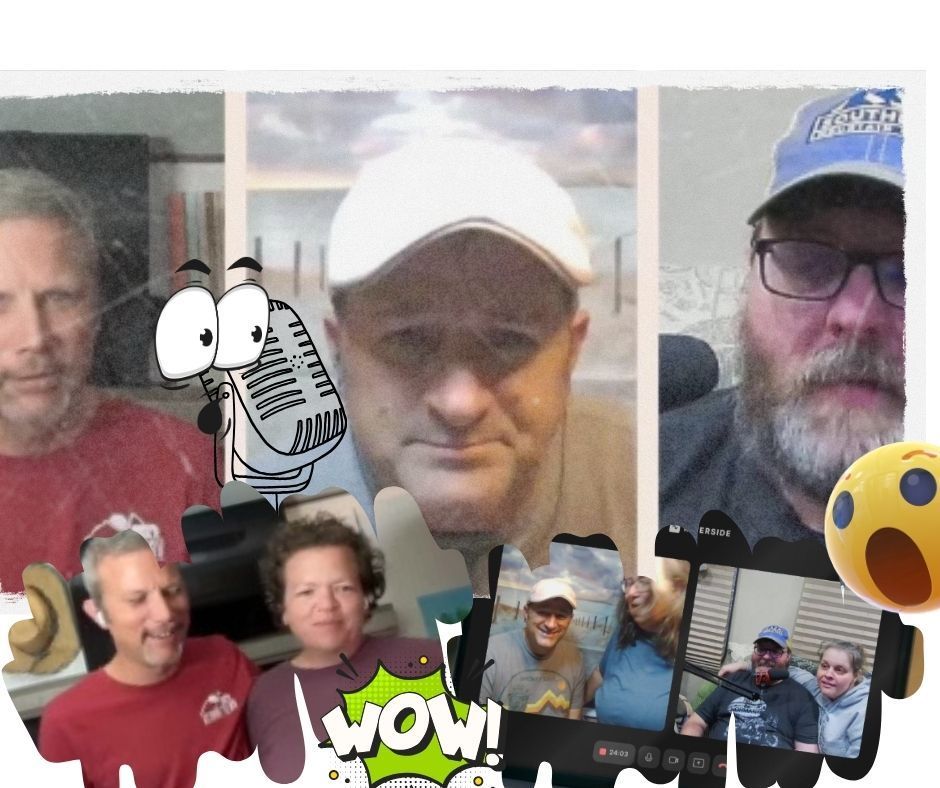
Recently, the guys snuck onto Learn to RV The Podcast. What started as a casual chat quickly turned into something deeper: an honest conversation about what it’s like to be the spouse of a woman navigating perimenopause or menopause while living life on the road.
They talked about the years of marriage behind them, the miles traveled in an RV, and the unique challenges that come with sharing such close quarters during a season of change. From hot flashes to mood swings, from shifting energy to the need for patience, they admitted that it’s not always easy. But they also shared how much stronger their relationships have become because of it.
What stood out most was their willingness to talk openly. For so long, menopause was often something whispered about, endured silently, or brushed aside. Hearing the guys acknowledge the realities — and the growth that comes from facing them together — was refreshing. It reminded us that this journey isn’t just about one person’s body; it’s about the whole family learning grace, humor, and sometimes a lot of resilience.
RV life magnifies everything: the joys, the frustrations, the intimacy. And menopause is no exception. But as the guys reminded us, it also magnifies love. When you’re willing to laugh together, listen deeply, and give each other space when needed, you discover that the road ahead can be navigated with compassion.
Their conversation was a reminder that we’re better at talking about this now than our mothers were. Back then, menopause was treated like a secret club with no handbook—just whispered warnings and raised eyebrows (literally). I mean, I had no idea my own eyebrows would eventually turn grey, or why Aunt Ruth suddenly sported a beard like she was auditioning for a ZZ Top tribute band. At least now we can laugh about it, share the surprises, and admit that menopause comes with quirks no one warned us about.
RV life teaches us flexibility, and menopause asks for the same. Together, they remind us that family isn’t about perfection—it’s about showing up for each other with grace.
Disclaimer: I’m not a medical professional—just a mom who’s lived through menopause, RV life, and all the surprises that come with it. I’m still here to tell the tale, share the laughs, and remind you that you’re not alone. If you have medical concerns, please reach out to a qualified healthcare provider.
Other blogs you might like...