
RV Life in the Spring: What nobody talks about for shoulder season travel
Jennifer Schillaci • March 25, 2026
What Full-Time RVers Know About Spring Travel That Weekend Campers Might Not

Everyone Talks About Summer. Smart RVers Talk About Spring.
Ask most people when they want to go RVing and the answer is almost always summer. School's out. The weather is warm. The destinations are open. The whole world seems to be pointed at the same campgrounds at the same time with the same idea.
And that's exactly why we want to talk about spring.
Shoulder season. It's that sweet spot between the snowbird exodus and the Memorial Day stampede & to be honest, it is one of the best kept secrets in RV life. It's the time of year when the roads open up, the crowds thin out, the prices drop, and the destinations that spend July and August turning people away suddenly have space for you.
If you're a full timer, a snowbird figuring out your next move, or someone on the fence about taking the lifestyle leap — spring travel deserves your full attention. Here's the real talk about what it actually looks like.
First: Let's Talk About the Weather
We're going to start here because nobody else does.
Spring weather on the road is not what the pretty Instagram photos suggest.
It is beautiful and unpredictable and occasionally humbling in equal measure. You can wake up to a perfect 65 degree morning in the Smoky Mountains and be in the middle of a surprise snowstorm by afternoon. You can have three consecutive days of sunshine in the desert southwest followed by wind gusts that make driving genuinely stressful. You can watch a tornado warning pop up on your phone in a campground in the middle of the plains with nowhere to go but your rig and a prayer.
This is not said to scare you. Spring travel is worth every bit of unpredictability it brings. But going into it with eyes open, with a good weather tracker like RV Weather, a flexible itinerary, and the willingness to stay put an extra day when the conditions call for it, makes all the difference between a trip that flows and a trip that fights you.
A few things worth building into your spring travel habits: check the weather for your full route two days out not just your destination, watch wind forecasts closely because spring brings serious wind events in many parts of the country and a large rig in high wind is a different driving experience entirely, and never be too proud to delay a travel day when the conditions aren't right. The destination will still be there tomorrow.

The Campground Availability Secret
Here is something that takes most new RV'ers completely by surprise their first spring on the road: campgrounds that are often booked solid from June through August, especially on the weekends but spring often have wide open availability in April and early May.
The same site at the same campground that requires a reservation six months in advance in July might be available tomorrow in April. The National Park campground that feels impossible to get into all summer (as long as it's open already) might have openings on a Tuesday in late March. The resort style RV park with the amenities and the view that you've been eyeing might be running spring specials that cut the nightly rate significantly.
Shoulder season gives you flexibility that summer simply doesn't. You can be more spontaneous. You can extend a stay somewhere you love without the anxiety of a hard checkout deadline or maybe even stay an extra day. You can show up at a destination without a reservation and actually find a spot. For full timers who value freedom over schedule that kind of flexibility is worth more than almost any other benefit spring travel offers.
The caveat, and it's worth knowing, is that some campgrounds, particularly in northern states and higher elevations, are not yet open in early spring. Always verify before you drive three hours to a destination that isn't operating yet. A quick call or a check of the campground website before you leave saves a lot of frustration.

The Magic of Having Destinations Almost to Yourself
This is the part that many RVers who travel in spring talk about with a kind of reverence that people who have only seen summer crowds don't fully understand yet.
Zion National Park in late March with a fraction of the summer crowd. The Blue Ridge Parkway in April when the wildflowers are blooming and you can actually pull over at an overlook without competing for a parking spot. The Florida Keys in early spring before the summer heat and the tourist season peak. Sedona in March when the red rocks are catching the early light and the trails aren't yet shoulder to shoulder with visitors.
Popular destinations in shoulder season feel like a different world. You get the experience without the crowd. You get the photo without the photobombers. You get the trail without the wait. You get the campfire without the noise from twenty neighboring sites. You get the place the way it was meant to be experienced — quietly, fully, without the infrastructure strain that summer volume creates.
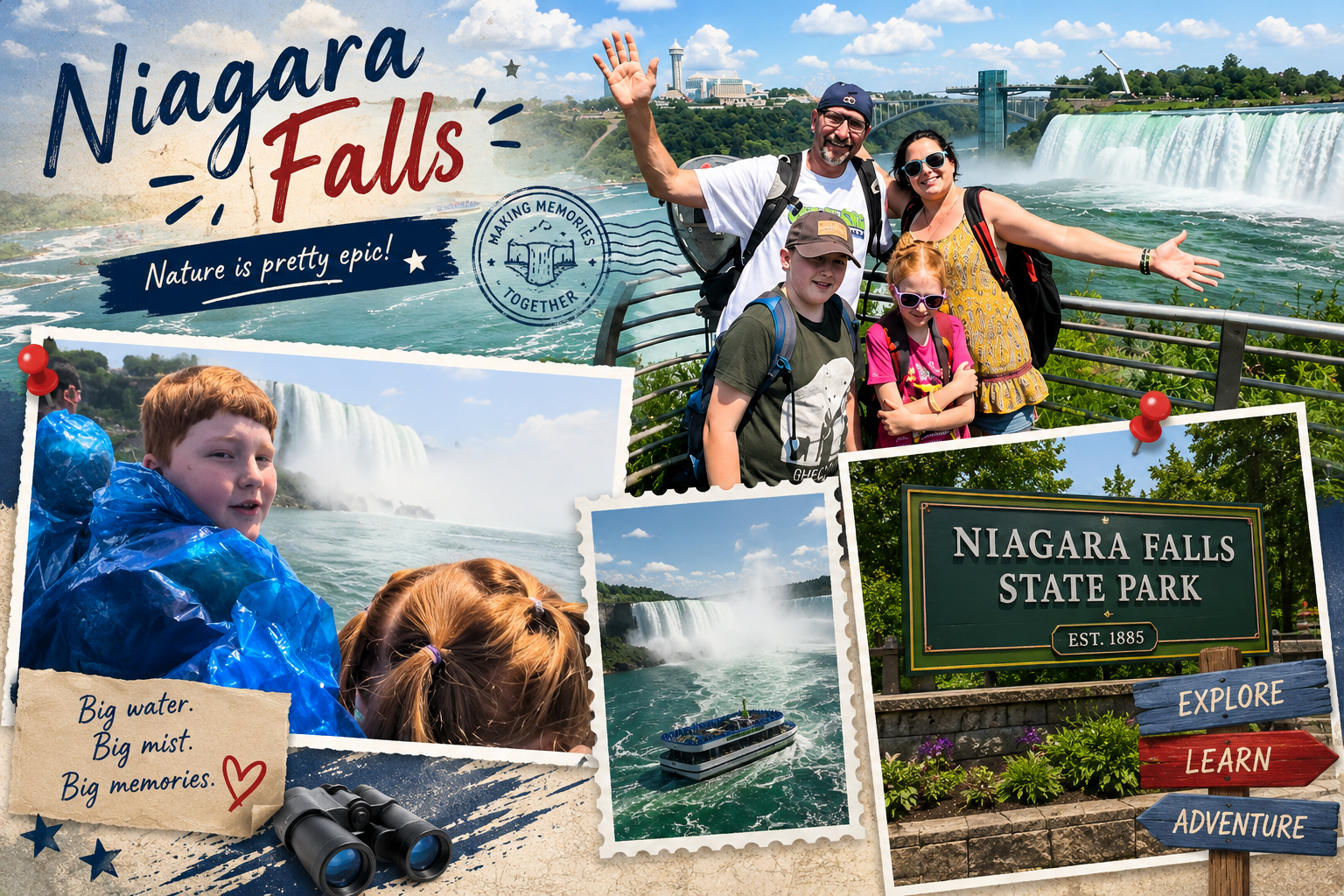
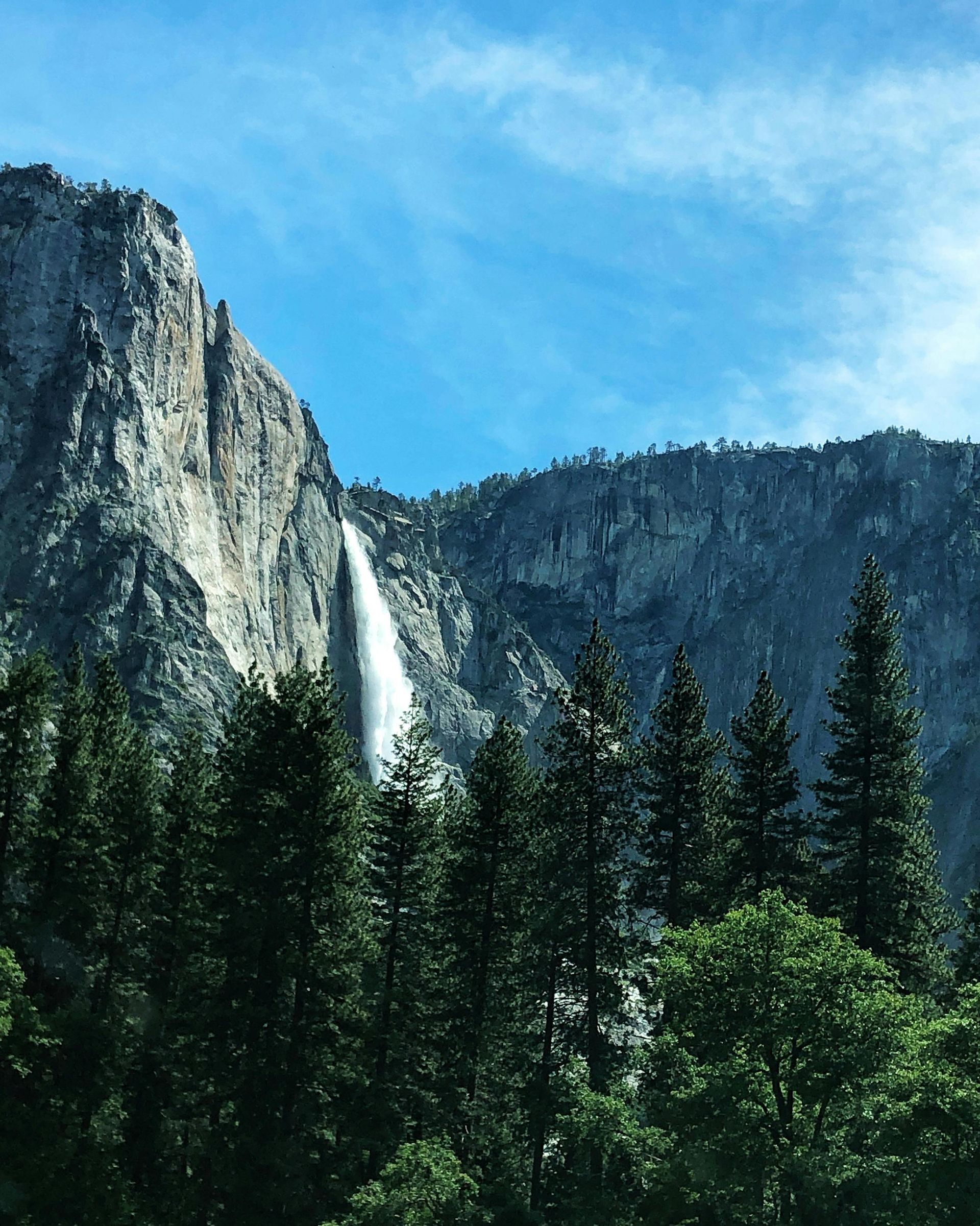
And then there are the waterfalls. If you have ever visited a waterfall destination in the heat of summer and felt just slightly underwhelmed, spring is the explanation you were missing. As the snowpack melts from the mountains, water finds every crack and crevice and ledge on its way down, and the result is something that simply does not exist any other time of year. Bridalveil Fall in Yosemite, which can be little more than a whisper of mist by August, becomes a roaring, thundering curtain of white water in spring. The whole valley transforms. But Yosemite, may be my favorite but it is just the beginning.
Multnomah Falls in Oregon's Columbia River Gorge reaches its most powerful and breathtaking state in spring, fed by snowmelt from the surrounding mountains in a way that summer visitors never get to witness. Hanging Lake in Colorado, already one of the most stunning spots in the country, becomes almost otherworldly when the rush of spring water fills the hanging garden above it.
Amicalola Falls in Georgia, the tallest cascading waterfall east of the Mississippi, surges with a force in spring that stops people mid-trail. And in the Great Smoky Mountains, dozens of smaller unnamed falls that are bone dry by July run full and wild through the moss-covered hollows in a way that feels almost prehistoric.
The sound alone is worth the trip. There is nothing quite like standing at the base of a waterfall in full spring runoff, the spray on your face, the roar that fills your whole chest, knowing that this version of this place exists for only a few weeks a year and you happened to show up for it.
First time visitors to iconic destinations often don't realize how different the experience can be depending on when they arrive. Full timers who have been to the same place in both July and April will almost always tell you that April wins. Every single time.

Snowbirds: The Great Spring Migration
If you've spent the winter in the south, from Florida, Texas, Arizona, the gulf coast, spring is the season of the great migration north. And how you navigate that transition matters a lot for your travel experience and your budget.
The temptation is to wait until it feels definitively warm before you start moving. The reality is that waiting until Memorial Day to head north means you're joining the entire summer crowd in a race to the same destinations at the same time. The campgrounds fill up. The prices go up. The magic of having places to yourself evaporates.
The snowbirds who travel best in spring are the ones who start moving earlier than feels comfortable and let the warmth chase them north rather than chasing it. Heading north in April means you're ahead of the crowd, taking advantage of the open availability and lower rates, and arriving at northern destinations just as they're coming alive for the season.
It also means building in flexibility for weather. An April trip north through the mid-Atlantic or the midwest or the mountain west is going to have weather variables that a July trip doesn't. But with the right planning and the willingness to flex your itinerary when conditions call for it, that flexibility is a feature of spring travel not a bug.
You have probably heard of snowbirds, the RVers and retirees who head south every winter to escape the cold. But have you met their opposite? Say hello to the sunbird.
Sunbirds are the folks who actually live in southern climates year-round in a stick-and-brick home, and when summer rolls around and the heat becomes genuinely oppressive, they are the ones packing up and heading north for cooler temperatures.
While the rest of the country is flocking to the beach, sunbirds are chasing mild summers, lower humidity, and the kind of weather that lets you actually go outside without melting. It is the same instinct as the snowbird — just flipped on its head.
And honestly? We respect it completely.

The Financial Case for Spring Travel
Let's talk money, because the numbers make a compelling argument all on their own.
Nightly campground rates are almost universally lower in shoulder season than peak season. The difference between an April rate and a July Fourth weekend rate at the same campground can be significant, sometimes as much as 30 to 50% depending on the location.
Over the course of a season that adds up to real money back in your pocket. Now, full transparency, not every amenity may be up and running just yet. The pool might still have a tarp over it and the camp store might be keeping limited hours while the staff gets everything ready for the season.
But here is the thing: in spring, the campground is rarely where the magic is anyway. The waterfalls are running, the wildlife is out, the trails are quiet, and there is more to see and do outside the campground gates than you could fit into a week. A closed pool is a pretty small trade-off for all of that.
Membership programs like Thousand Trails, Passport America, RV Overnights, and Harvest Hosts can stretch your dollars even further in spring because availability is higher and competition for spots is lower.
You are more likely to get your first choice of site, more likely to find availability on short notice, and more likely to benefit from discounts that campgrounds offer to fill sites that would otherwise sit empty.
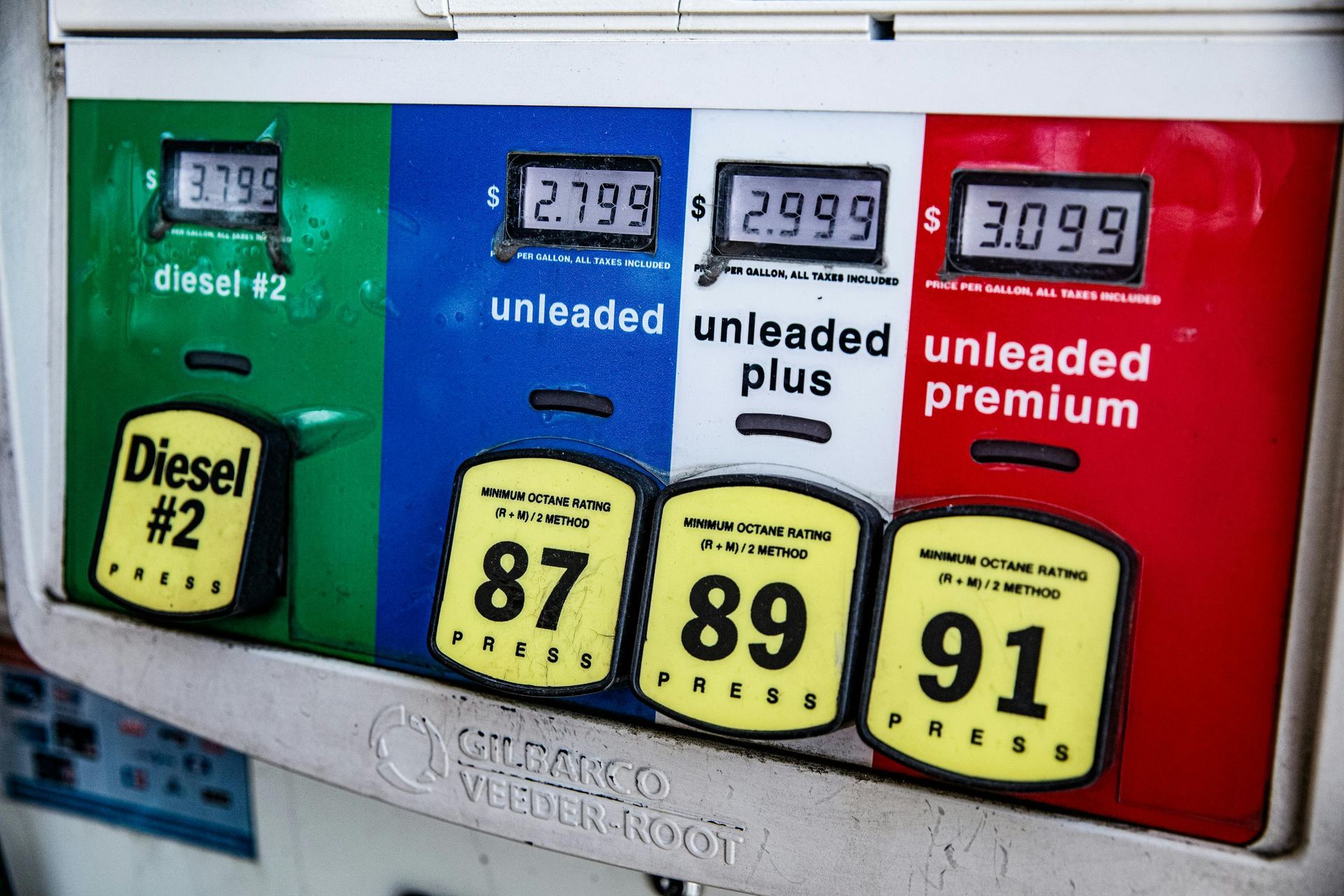
Then there is fuel, and we are not going to sugarcoat it. Fuel prices this spring are far from ordinary, and that reality deserves an honest conversation. The good news is that spring driving conditions work in your favor. More moderate temperatures mean less strain on your engine, and many popular spring routes simply do not demand the kind of mountain climbing and heat-fighting your rig deals with in the dead of summer. Every mile is a little kinder on your rig and your wallet than a summer haul.
One genuinely smart move this year?
An Open Roads card.
With fuel costs where they are, having a dedicated fuel savings strategy is not optional & to be honest, it is just good planning. It is one of those small decisions that quietly saves you a meaningful amount over the course of a season.
And the experiences that cost the most in summer, the popular parks, the sought-after destinations, the iconic routes, often come with shorter lines, easier access, and lower costs all around in spring. Less competition for everything means less spending on everything. That is the spring advantage in a nutshell.

What Spring Actually Looks Like Day to Day
Here's the real talk part that doesn't always make it into the highlight reel.
Spring on the road is layered. You're pulling out the heavy blanket at night and running the AC by afternoon. You're watching the weather with a closer eye than you do in summer because spring systems move fast and change quickly. You're doing a roof check after a hail storm that appeared out of nowhere. You're adjusting your driving schedule around wind forecasts. You're finding that some of your favorite destinations are just waking up and not quite at full capacity yet....which is part of the charm and occasionally part of the inconvenience.
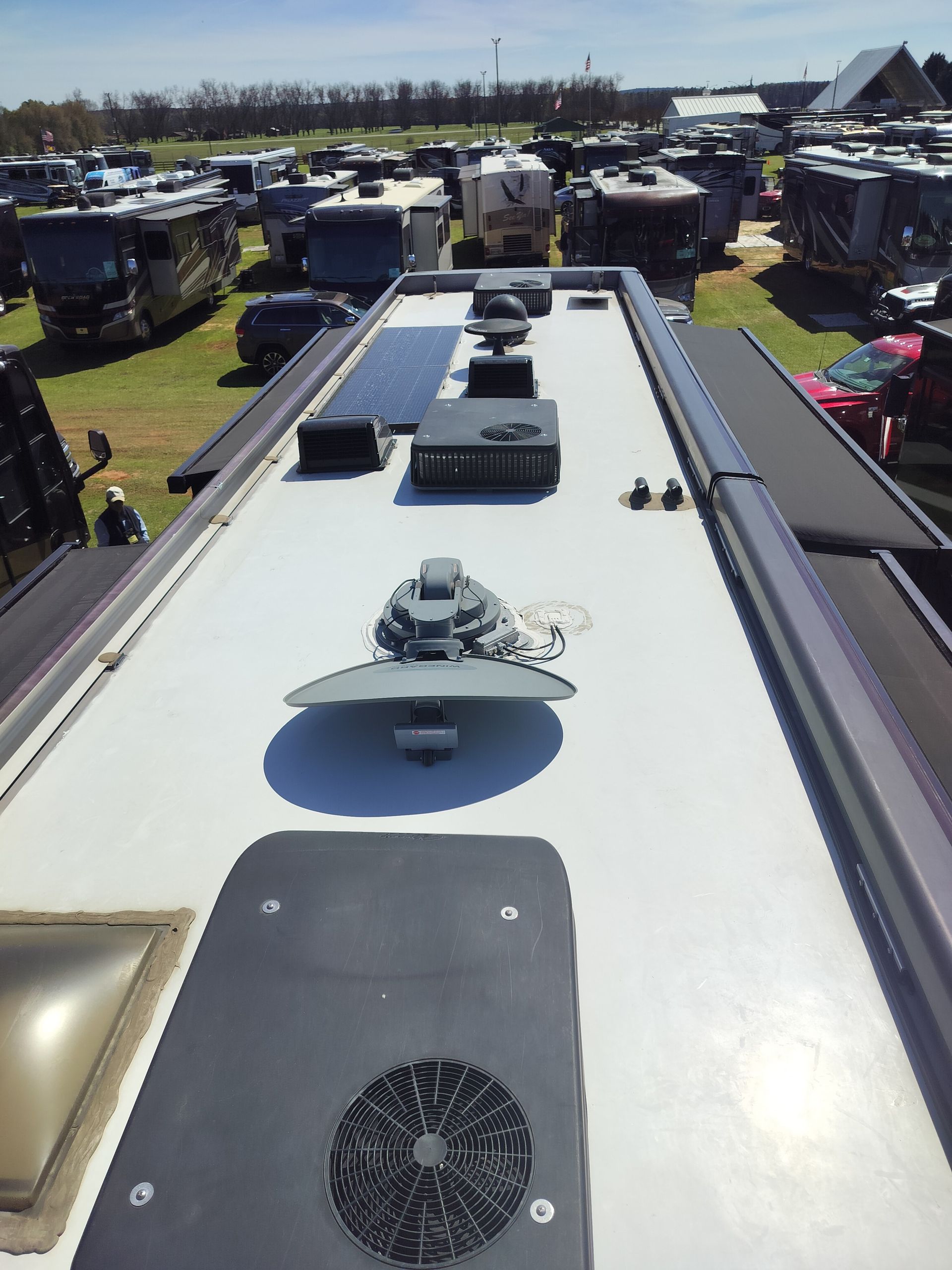
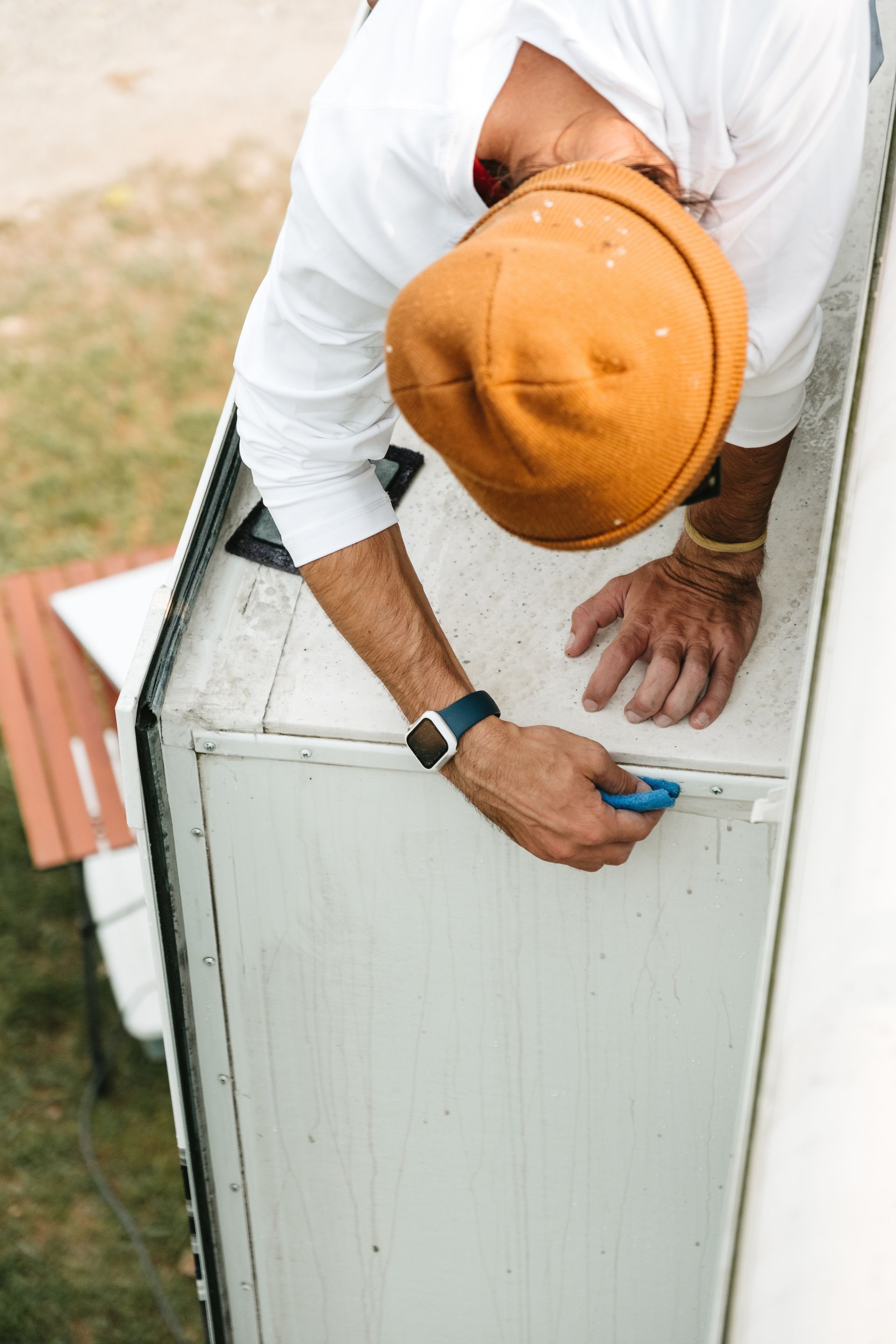
Your rig needs a little more attention in spring than in the middle of summer. The freeze and thaw cycles of winter take a toll on seals, roof membranes, and systems that a spring inspection will catch before they become travel day problems. Making time for a thorough spring maintenance check before you hit the road is not optional, it's just what keeps the season from getting derailed by a preventable repair. Your roof, your tires, your seals, your slide mechanisms ... all of it deserves eyes on it before the season starts.
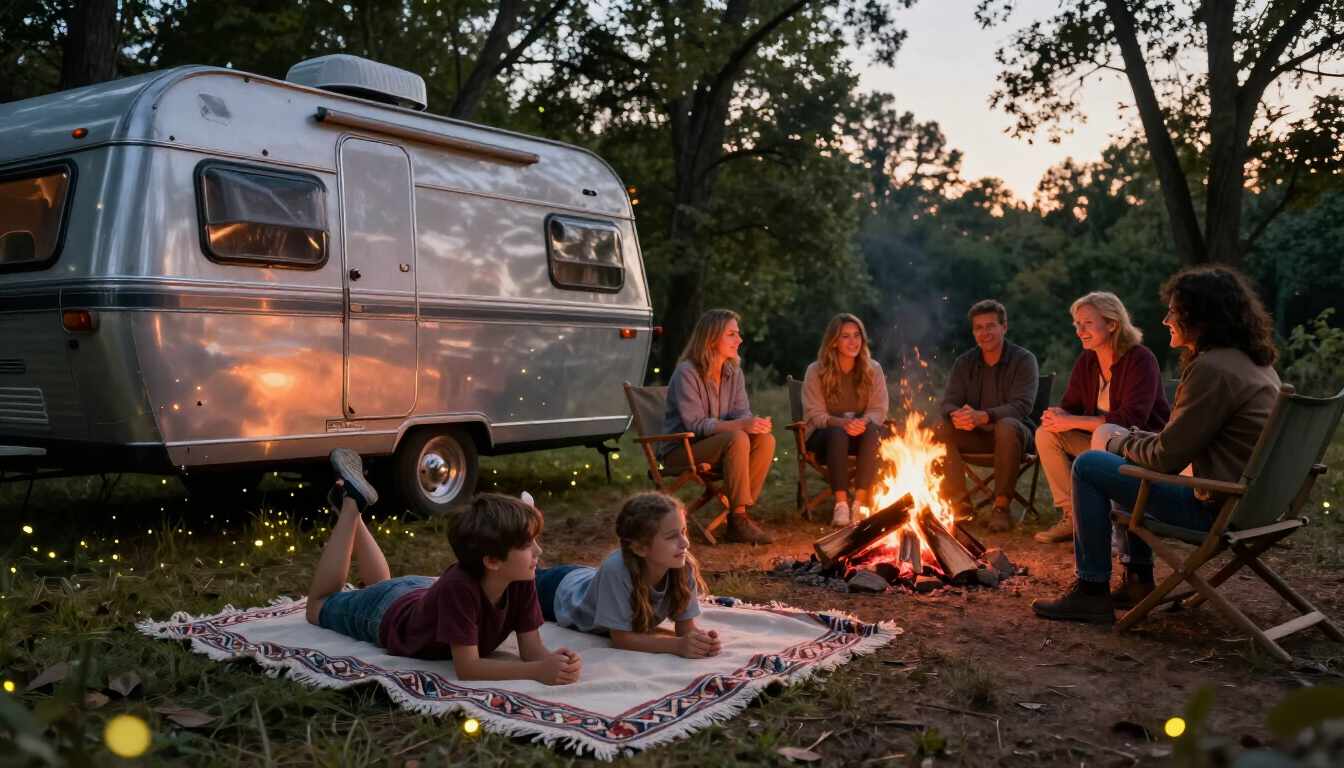
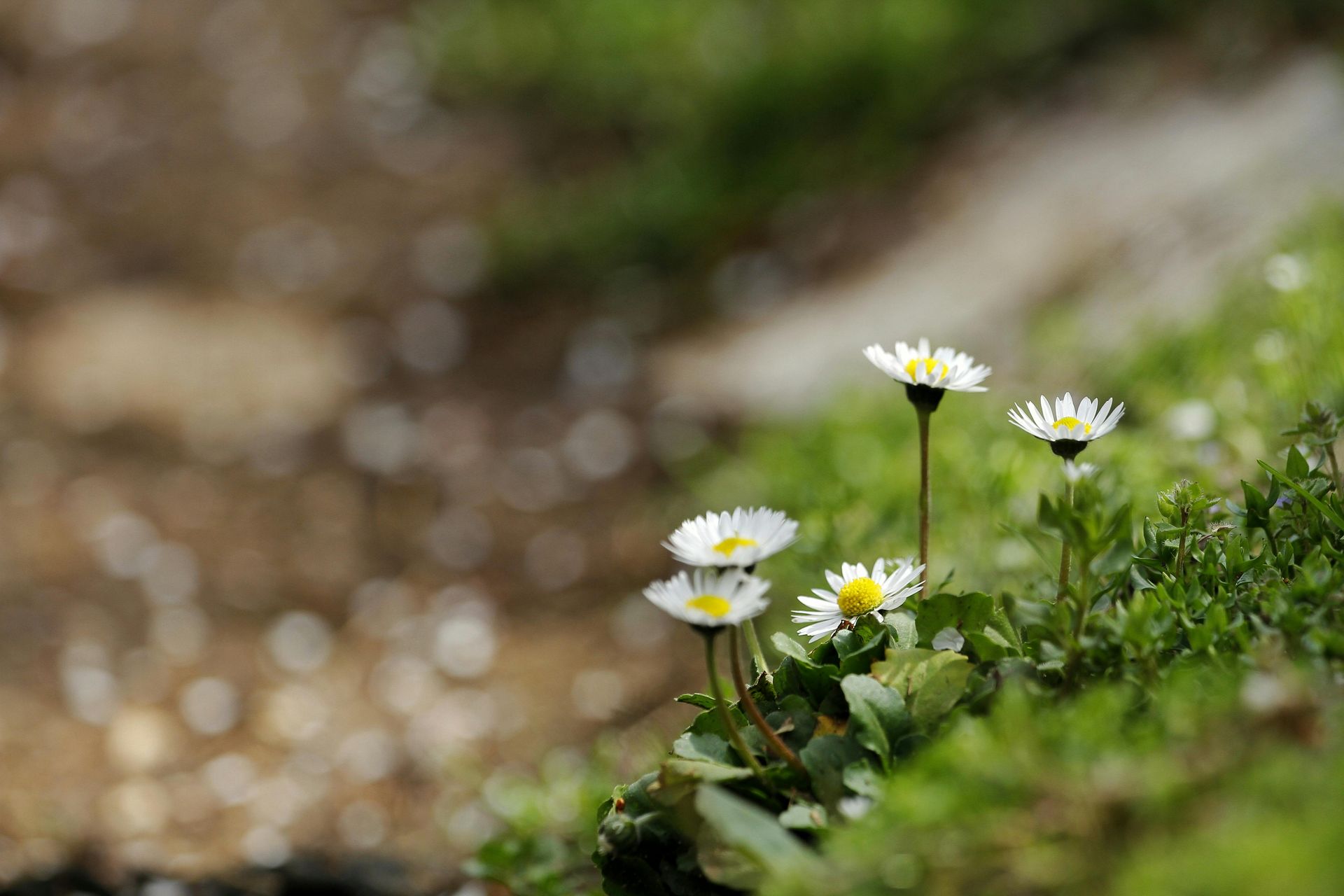
But here's what else spring looks like: wildflowers on highways that were snow covered two months ago. Baby animals in national parks that haven't yet learned to be unimpressed by humans. Campfire smoke on a cool evening when you've got the whole loop to yourself. A sunrise over a destination you've been wanting to see that looks exactly the way you imagined it and better.
Spring RV travel is real and layered and occasionally inconvenient and genuinely magical. It is one of the things that full timers and long term travelers point to when they try to explain why this lifestyle got under their skin and never left.
Is Spring the Right Time for a Lifestyle Leap?
If you've been thinking about making the move to full time RV life, or maybe even just an extended trip that finally lets you test what this lifestyle actually feels like, spring is one of the best times to do it. A great way to try it out is to rent an RV.
The lower costs mean your budget goes further while you're figuring out what RV life actually costs for your specific situation. The lighter crowds mean you have more grace period for the learning curve... this means you have more availability when you make a booking mistake, more patience from campground neighbors when you're still figuring out how to back in. The moderate weather in most of the country means you're not dealing with extreme heat or extreme cold while you're also dealing with the newness of everything else.
Spring gives you the whole summer ahead of you to find your rhythm before the season peaks. And if you find out somewhere along the way that full time isn't for you — you've lost nothing but a season on the road, which by almost any measure is a season well spent.

The Bottom Line on Shoulder Season
Summer always gets the attention. Spring gives you the experience.
The campgrounds with space. The destinations without the crowds. The prices that don't require a second mortgage. The flexibility to stay when you love somewhere and move on when the weather tells you to. The wildflowers and the wildlife and the quiet that only exists before the masses arrive.
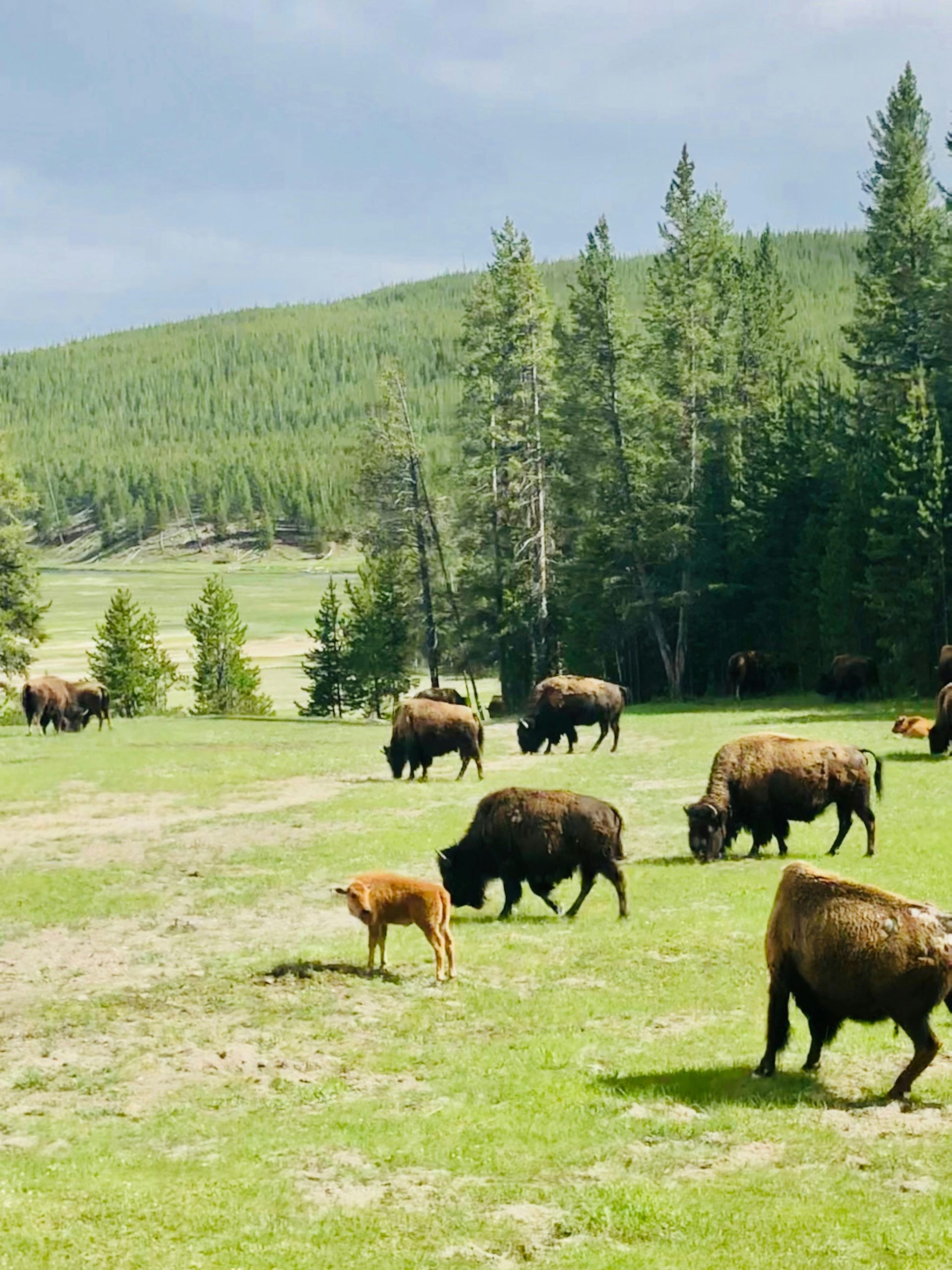
And then there is the magic that only spring can deliver. The red dogs of Yellowstone, those rust-colored bison calves that show up for just a few weeks every year, are a one of a kind experience that no summer trip will ever give you. Babies everywhere you look, from fawns tucked into meadow grass to bear cubs stumbling after their mothers, adding a layer of wonder to every single stop.
If you travel slowly enough, you can watch the trees wake up week after week, bare branches giving way to the palest green buds, then fuller, then lush, like the whole country is exhaling after a long winter.
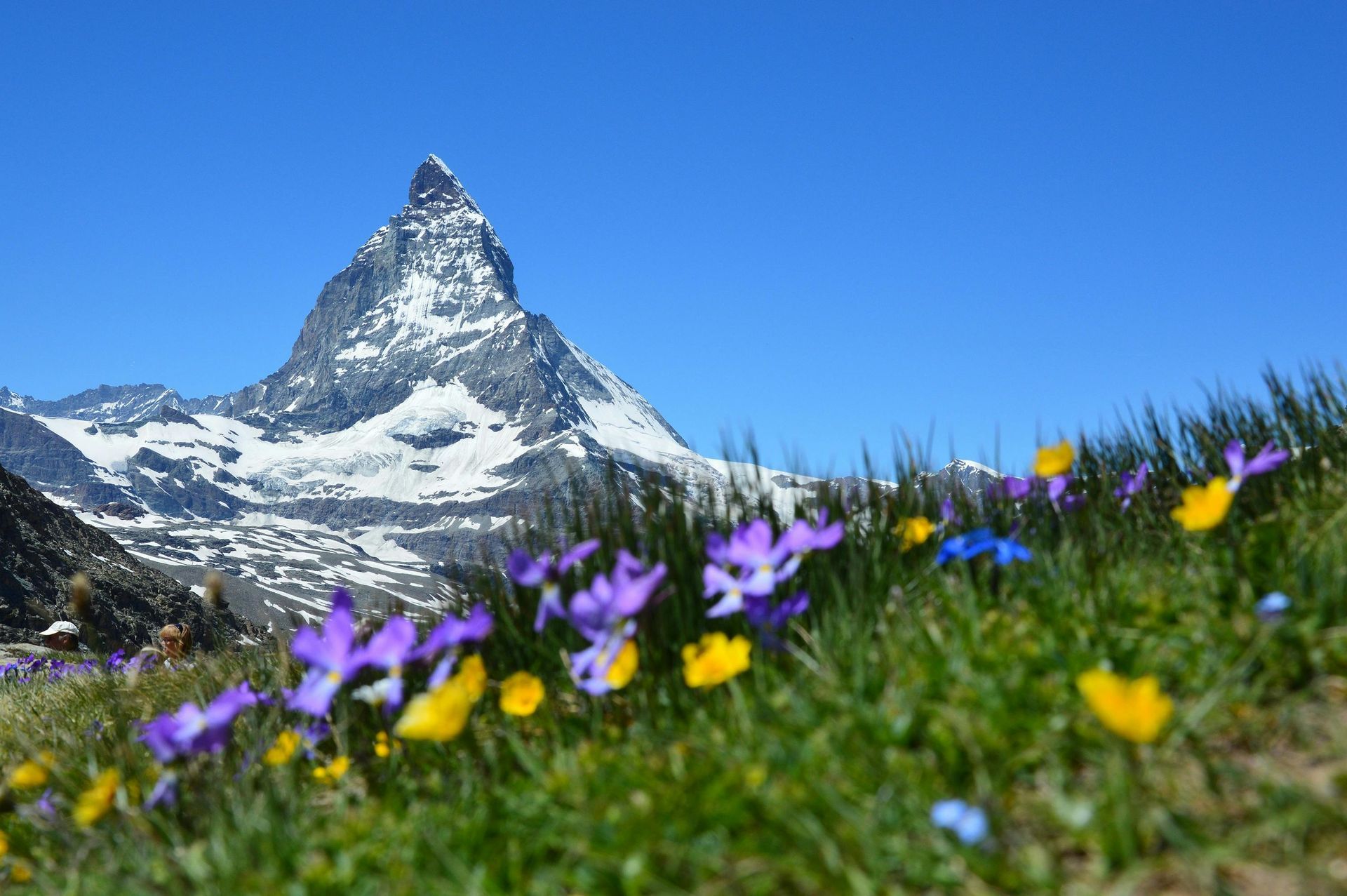
And at certain elevations? A magical blanket of snow that exists only in spring, draped over landscapes that are simultaneously blooming below and frozen above. There is nothing quite like it and no photograph ever does it justice. You just have to be there.
Full-timers who have figured this out guard it a little jealously — not because they don't want to share it, but because they know that the moment everyone catches on, the magic shifts. The secret only works while it's still a secret.
So consider this your invitation in.
Go in spring. Go before Memorial Day.
Go when the world is still waking up and the roads are mostly yours.
You will not regret a single mile. 🦬 But just in case, plan a wardobe for all four seasons.
Always check current campground availability, weather forecasts, and road conditions before travel. Some destinations and campgrounds have limited spring hours — verify before you go.