Hook Up Right: Water & Sewer Tips for Every RVer

Betty Grant - RV Pocket Tech • May 8, 2026

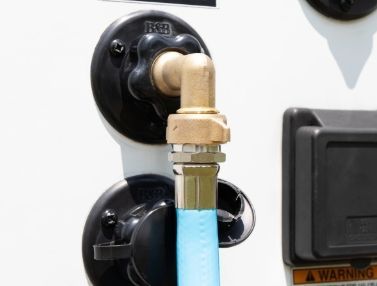
One of the first things most of us do when we pull into a site is get hooked up—water hose on, sewer hose connected to that lovely dump port, and we’re off to the races.


But here’s something a lot of folks skip (and yeah...we’ve all done it): running the water before hooking up to the RV.


That first couple seconds of water coming out of the spigot and hose? It’s not exactly what you want going straight into your fresh water system.


It’s been sitting in there, getting warm, picking up whatever it wants along the way. Takes about 2–5 seconds to clear it out.


Do yourself a favor—let it run first.


While we’re talking water, that basic blue filter you grab at Walmart or Amazon? It’s not a bad idea at all. It’s a simple layer of protection.


If you want to step it up, there are more advanced systems out there—multi-stage filters, softeners, even reverse osmosis setups—but the little blue one is a good start.


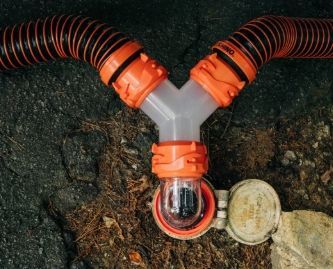
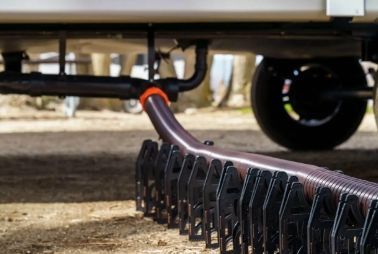
Now let’s talk about the part nobody enjoys—the sewer hose.


The “slinky.” You’ve got to hook it up, but what you do next matters more than most people realize.


A common mistake? Leaving your black tank valve open all the time.

Seems convenient, but it’s a bad move.


What happens is the liquids drain out, and the solids stay behind...

building up into what’s called a "poop pyramid". And trust me,that’s exactly as fun as it sounds.


Another common mistake, one we see a lot—pulling both gray and black tanks at the same time. Don’t do that either. You lose the ability

to rinse things out properly, and it just doesn’t work the way you think it does.


While we’re at it— the same idea applies to your gray tank.

A lot of folks leave that one open too, thinking it’sharmless. But that can let sewer smells creep back up into your RV, especially when you flush or run water.


It can also invite sewer flies...which nobody wants hanging around the kitchen sink.


Keeping the gray tank closed helps hold water in the tank, creating a barrier and giving you a good flush when youdump it.


Again—liquid is your friend.


Here’s the bottom line: water is your best friend when it comes to your tanks. Especially the black tank. You want plenty of liquid in there to keep everything moving the way it should.


Not enough water + too much toilet paper =problems you don’t want to deal with.


Simple rule of thumb:

  • Run water for a few seconds before hooking up your hose
  • Keep your black tank closed until it’s ready to dump
  • Keep your gray tank closed to prevent smells and sewer flies
  • Dump black first, then gray to rinse the hose
  • Use plenty of water every time you flush.

Betty GranT is the voice behind RV Pocket Tech, a resource dedicated to helping RVers get the most out of the technology, tools, and systems that make life on the road easier.


She & her husband share a passion for practical, no-fluff advice and a knack for making the technical feel totally doable, Betty has been helping RVers work smarter—not harder—for years.


Whether it's water filtration, tank management, or the gadgets that make campsite life smoother, she's been there, tested it, and has the stories to prove it.


This is her first of many contributions to the Learn to RV community—and trust us, you'll want to stick around for more.

Other blogs you might like...

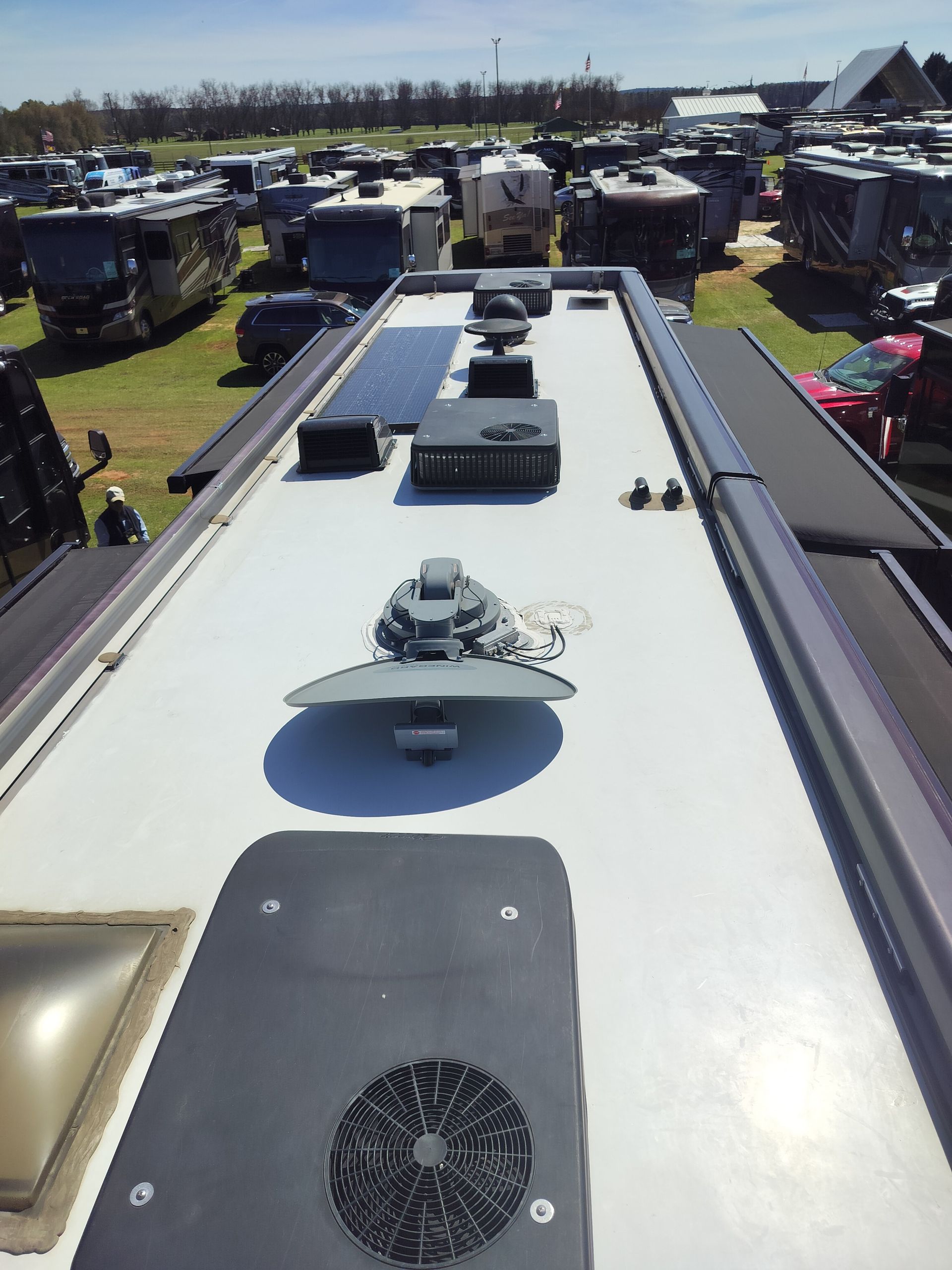
View from RV roof with solar panel, vents, and roof fan at an outdoor RV show
By Jennifer Schillaci June 13, 2026
Whether your RV roof is showing its age or you just want to stay ahead of summer damage, know when to DIY and when to call a pro. Learn the warning signs

Person in a white T-shirt pinching their nose while standing indoors by a beige wall.
By Jennifer Schillaci June 8, 2026
Do you really need a sewer hose to dump your RV tanks? RV black tanks, Grey tanks and Freshwater tanks tips. Get the complete RV tank guide from Learn to RV.

By Jennifer Schillaci June 5, 2026
The best classroom doesn't have four walls — it has four wheels.  This summer, the whole country is your curriculum.

By Dealora Snyder June 4, 2026
If you’re a full-time RVer, you already understand something most people don’t....that life doesn’t always go according to plan. You’ve chosen freedom. Flexibility. The ability to wake up in a new place whenever you want. But with that freedom comes a unique responsibility—especially when it comes to your health insurance. Because when you’re constantly on the move, having the right coverage isn’t just important… it’s critical. And recently, I was reminded exactly why.
Hand holding a scrambled Rubik’s cube against a plain brown background
By Amanda Pelser June 3, 2026
Full-time RVing families can road-school around a passion — how to find WCA speedcubing competitions and make your child's Rubik's Cube hobby a reason to travel.
Hands arranging letter cards on a yellow table during a group learning activity
By Jennifer Schillaci June 1, 2026
Your child is just wired differently. Learn the signs of dyslexia, what actually works, and how roadschooling families can take action today. with Russel VanBrocklen
RV Business Hub sign with people setting up a campsite beside two RVs in a sunny park.
By Jennifer Sansford May 30, 2026
Where Can RV Entrepreneurs Find Business Resources and Support? The RV Business Hub connects RV entrepreneurs with tools, tips, and resources to build and grow.
Hand refueling a vehicle with a green fuel nozzle at a gas station
By Jennifer Schillaci May 27, 2026
Fuel prices got you second-guessing your summer? Open Roads is too good to be true — except it's not. Free to join, diesel savings, VIP perks, tolls and more.
Black pickup truck driving through smoke, front view on a road
By Jennifer Schillaci May 26, 2026
Most RVers don't know what their policy won't cover until it's too late. Learn the most common coverage gaps & the questions to ask before you need to file a claim.
Person standing on the roof of a vehicle in a desert at sunset, looking into the distance.
By Jennifer Schillaci May 23, 2026
Your RV roof coverage has limits—and age makes it worse. Learn what insurance won't pay for, what aftermarket systems really cost, and the questions to ask before it's too late.
Show More