How Hearing Impairment Affects RV Living: Ashley Gallaher's Personal Journey on the Road

Ashley Gallaher : Campfires & Motors • March 1, 2026

A Personal Note Before You Read

This is Ashley's story — shared from the heart, with the kind of honesty that makes this community so special.


Ashley's experience with hearing loss is deeply personal and entirely her own. This is not medical advice — it is a human story. If something in Ashley's journey resonates with you or someone you love, please reach out to a qualified medical professional who can guide you on your own path.


We share stories here because connection matters. Because sometimes hearing someone else's experience is exactly what you needed to feel less alone.

Have you ever wondered what it would be like to have hearing impairment? Or perhaps the feeling of being off balance, dizzy, or even motion/sea sickness? Well, you’re in the right place to learn just enough to understand all the above based on personal experience. But first we need to jump into how the ear works and what causes the impairment to begin with. So, let’s jump into it with a simple background on the ears themselves.


The Ears

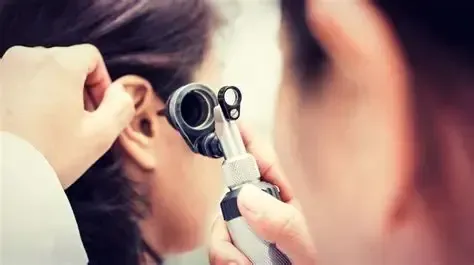
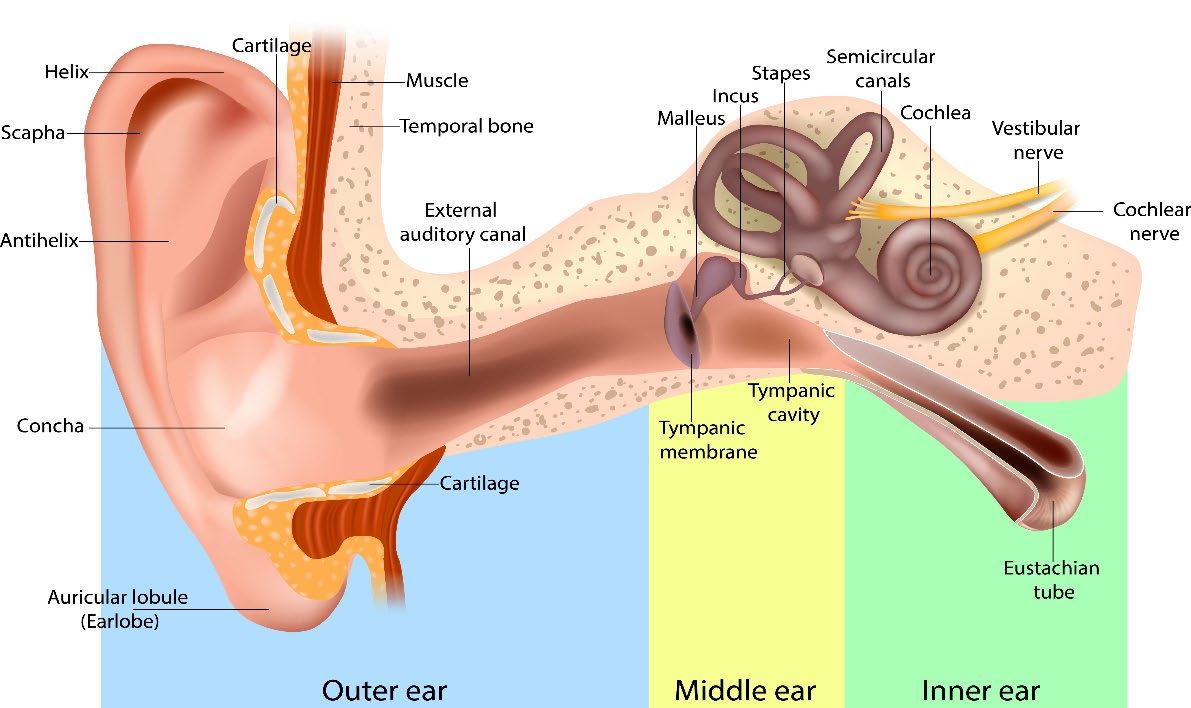
The ears are very complex organs that we need for hearing and balance. They are divided into three parts: outer, middle, and inner. Each part is dependent on the other and it only takes one part to throw everything with our hearing completely off.


The Outer Ear collects the sounds and sends it the eardrum, moving the hammer in the Middle Ear where it vibrates amongst tiny bones in Inner Ear and the noise is converted to nerve signals for the brain, while small canals manage the balance.


So basically, whenever we are moving our head the fluid inside the canals sloshes around like a washing machine and moves the hair-like sensors within, which transmit info to the brain and the muscles keep everything balanced

The Four Types of Hearing loss

First, we must understand the definition of what hearing impairment is; any hearing loss that stops a person from being able to hear all the sounds through the ear that they normally would. The loss can be anywhere from mild to severe depending on the type of hearing loss, which leads us to the four types of hearing impairment: conductive, sensorineural, mixed, and auditory.


Conductive hearing loss is often the one that most people are familiar with. It is caused by disease or an obstruction in the outer or middle ear. This affects all frequencies of hearing. Some can be chronic or long term, but most are usually temporary. Treatment for this type of hearing loss can range from medication to surgery and can often lead to a permanent solution with hearing aids solving the problem.


Sensorineural hearing loss is the result of damage to the inner ear. This loss is often referred to as nerve-related hearing loss or nerve deafness. The loss range can be mild to profound and can only be fixed with hearing aids.


Mixed hearing loss is a mixture of the first two and is very rare.


Auditory Processing Disorder is basically when someone has normal audiogram, but they have lost the ability to her speech in noise.

Conditions and Disorders: What could cause hearing loss?

There are many conditions and disorders that cause hearing impairment, many of which can be prevented and treated. Everything from ear infections to work related injuries can cause hearing impairment.


Ear infections usually affect the middle ear and can be caused by bacteria and viruses trapped within. Treatment is usually antibiotic drops but may also include tube insertion into the ear itself. This condition is one of the most common ways hearing impairment is caused.


We have these tubes that connect our middle ears to our throats. These tubes are called eustachian tubes which open to allow equal pressure inside the ears as we yawn, sneeze, or swallow. When the tubes become clogged, Eustachian tube dysfunction happens.


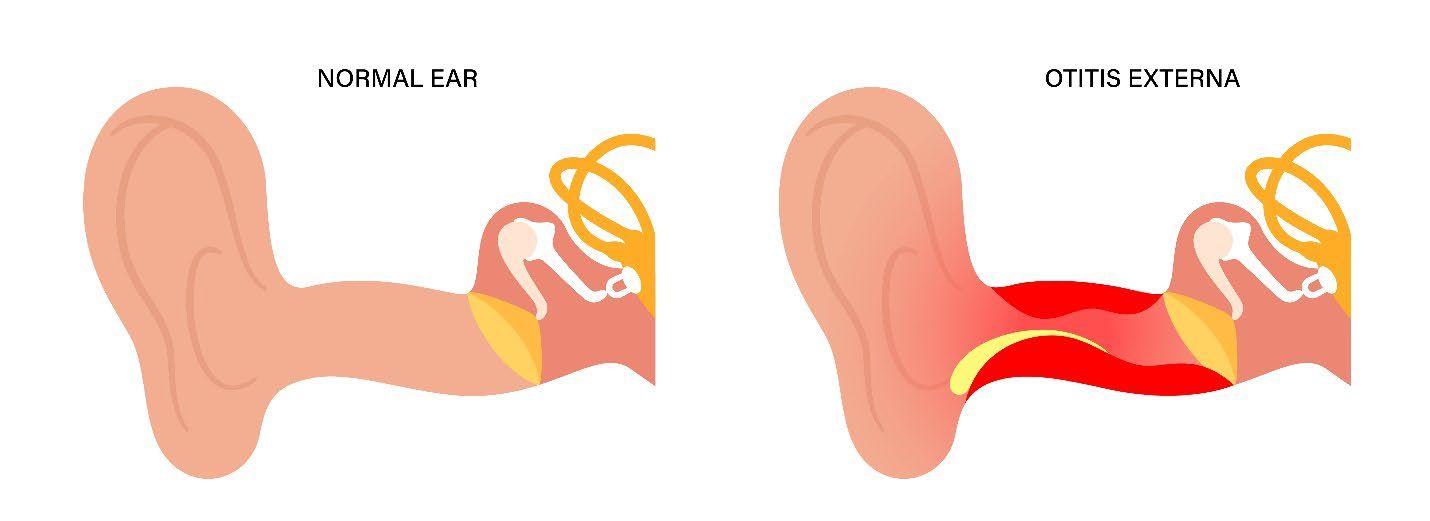
Another common condition is the swimmer’s ear. Often found in those who do a lot of swimming, this is caused by bacteria or fungi. It is an inner ear canal infection that also can be caused by using Q-Tip’s. If not used correctly, Q-Tips can be inserted into the ear canal causing soreness. This condition can also be caused by hair spay if it was to get into the ear canal.


A ruptured eardrum which is a hole in the tympanic membrane or eardrum is a serious condition. This happens a lot with military personnel, mining personnel, or any other type

work that requires loud noises. It can also happen from a simple infection. The eardrum will usually heal on its own but sometimes surgery is required.


When the vestibular nerve, which is in the inner ear, becomes inflamed, Vestibular neuritis occurs. Often vertigo attacks, along with nausea and vomiting happen in people who have this condition. Medication and physical therapy are common treatments.

These are only some of what can cause hearing impairment. It is very important to take good care of your ears and follow your doctor's instructions when having to deal with any type of ear problems.

How does hearing loss affect RV living?

Driving across country or even across town is a tricky task when it comes to RVing. We often tend to focus more on the roads, bridges, other drivers, and everything else that comes naturally. And for most of us it all comes naturally as we just get in the drivers’ seat and go. But for those who have any kind of impairment, especially hearing impairment, many tasks are often different.


Hearing is one of the six senses and like all the other senses, once it becomes impaired it creates new challenges. It requires more thorough safety checks, communication, and even social interaction. Everything from the slightest small noise to the loudest noise becomes a bigger awareness which causes bigger driving challenges because it takes longer to process what the noises that are being heard are. Are they normal or is it a sign of something going wrong. Also, when driving a diesel truck the engine is louder, which can make driving more challenging due to the constant noise.


For many communicating and socializing with others becomes harder because they feel that the impairment is too much. Not being able to hear conversations and asking people to repeat things often leads to withdrawing from social interactions. Fortunately, there are ways to help improve hearing with hearing aids and cochlear implants (surgical implanted electronic device) making socialization and communication easier.

Ashley's Personal Experience

As someone who has conductive hearing loss all the information above is nothing I haven’t heard before because I have experienced some of it. For as long as I can remember, my ear problems were caused by constant ear infections. So naturally, dr’s visits, hearing tests, ear cleanings, infections, antibiotic drops, and surgeries were part of my life. I had my first surgery or skin graphing done when I was two, I believe.


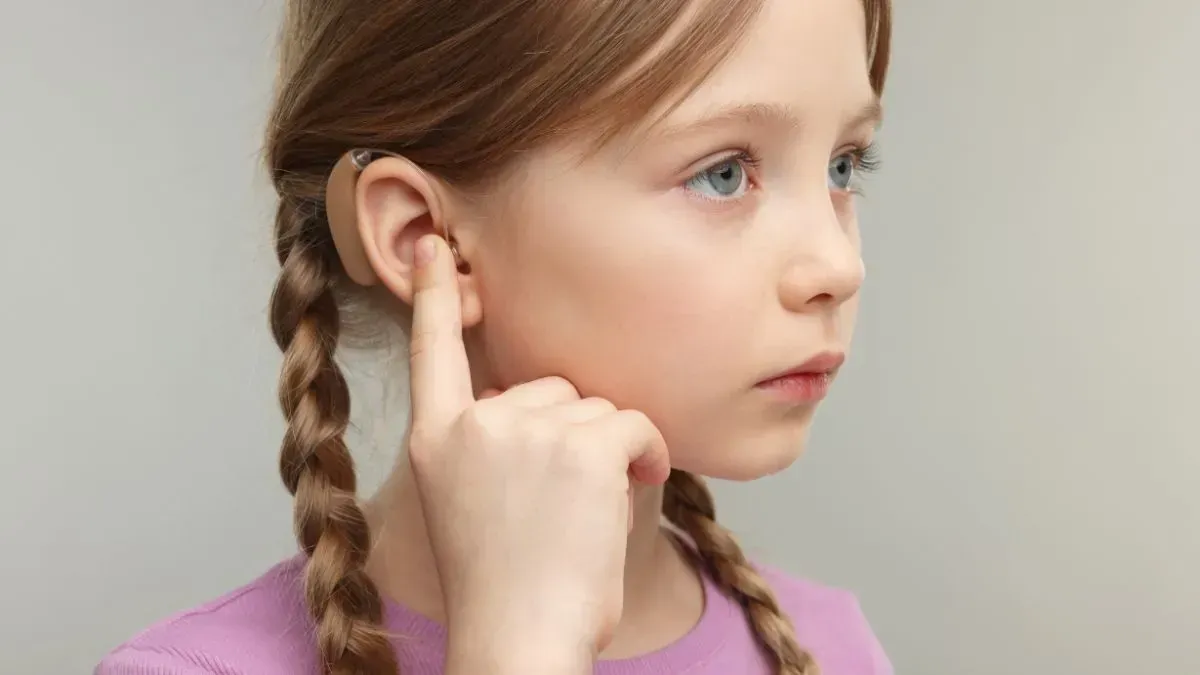
I used to wear hearing aids in elementary and middle school. I would get pulled from class to go to speech therapy. I had another skin graphing done in fifth grade followed by another in sixth grade. And through it all I guess I was fine, even through the denial.


I went swimming, was in choir, did sports, made it into the Nurse Tech program in high school, got my Certified Nursing Assistant Certification and so on. And back then nothing other than some high elevation would bother my ears.


As time went by and the denial grew, taking care of my ears did not exist. So of course they got worse. It wasn’t until 2009 that I had a wake-up call on how bad my ears were, which changed everything. I ended up getting surgery on the right ear, while we were stationed in South Korea. And then my left ear in 2011 while in Tennessee. Because of those surgeries my hearing is way better. In fact, it surprised the doctor with how well the hearing was.


But none of it comes without the side effects. Having titanium in one ear and the other ear unrecognizable on the inside and noticeable on the outside was only the beginning.


The ears are way more sensitive, especially to sounds. I get constant ringing in my ears. Loud noises are not always nice. Driving my husband’s diesel truck scares the crap out of me because of the noise and it makes it harder to focus when driving with the RV connected. I cannot go swimming without ear plugs, which tends to take the fun out it because I get so worried that water will get in my ears that I don’t go under or allow myself to have fun. And let’s not forget the constant repeat button with some conversations or the dizziness. But the biggest thing for me recently is motion sickness.


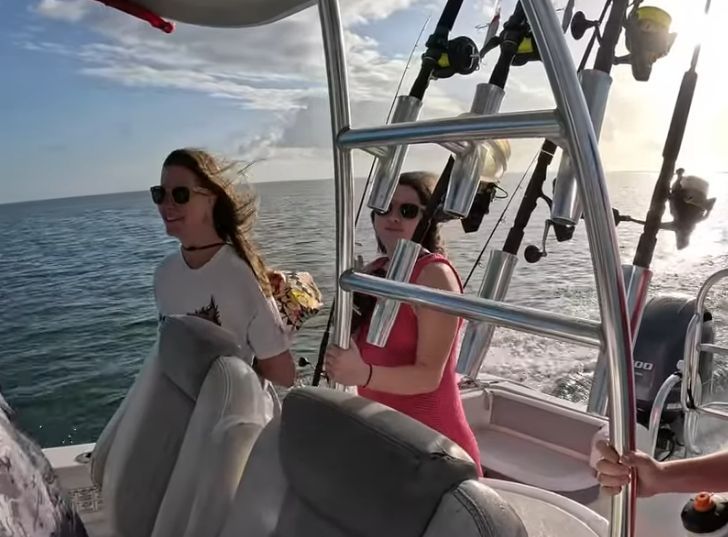
I had it a little when we were in Texas at the space the center on the simulator ride, they had, but nothing like just recently. What I thought was going to be a great four-hour trip on a fishing charter turned into an unpleasant one for myself. I was completely fine until the boat stopped in semi choppy water and then the stomach started churning, the head started feeling weird and the right ear began to bother me. And before we all knew it, I was leaning over the boat. I could barely keep my head up sitting down, but a few times throughout the trip I peaked up to see the fun I was missing and managed to reel in two different fish, one which happened to be the biggest of them all.


Even after getting off the boat, I felt horrible. All I wanted to do was shower, rest, and eat crackers. I felt very out of the norm the entire next day and every time I went over by the water, whether on the concrete walkway around the marina or out on the pier I felt moving and wanted to throw up. I was much slower moving, less hungry, and more regretful for going out on the water. And as I typed this up on the third day, I felt the same. My walking had to slow down to a slower pace to not feel so nauseous, going into the water at the beach area was limited due to the motion, and over all I just kept feeling uncomfortable and not myself. This is not a normal thing for me so trying to deal with it is not easy. For myself the hearing is fine, but the dizziness and balance are completely off.


So yes, hearing impairment does affect RV living. Everything from the way we process the noises to the way we move makes normal life a little bit more challenging. Driving the truck or RV itself is way harder but totally do able with patience. And just like any other impairment, taking it one day at a time is the best way to handle any changes that come along. That and making sure those regularly scheduled doctor’s visits are kept up with.

Ashley Gallaher is a full-time RVer, content writer, and co-creator of the Campfires & Motors YouTube channel.


Traveling the country with her family, Ashley brings honest, real-world experience to every post. She covers RV safety, trip planning, and the day-to-day realities of life on the road. Her mission is simple: to help RVers feel more confident, more prepared, and less overwhelmed.

Ashley Gallaher

Camfires & Motors

Other blogs you might like...

Two people stand on a desert road with red rock formations in the distance under a cloudy sky.
By Our Voyage with MS - Kreg & Charlene March 4, 2026
When MS changed everything, Kreg and Charlene didn't stop living. Their story of resilience and full-time RV life with a chronic illness will inspire you.
Pink cherry blossom flowers blooming on a branch.
By Jennifer Schillaci March 3, 2026
Where are the best places to see cherry blossoms by RV this spring? Top destinations, peak bloom dates, and RV and travel tips inside.
A large, illuminated dragon sculpture in blue, gold, and orange, surrounded by other lit displays. A pagoda is in the background.
By Jennifer Schillaci February 26, 2026
Looking for the best festivals to attend by RV in 2026? From music and culture to downright weird and wonderful — your ultimate RV festival bucket list is here.
campfire chat with friends
By Jennifer Schillaci February 26, 2026
Discover how RV life connects you with lifelong friends and a like-minded community. If you're a full-timer or weekend camper, find your people on the open road.
Collection of essential RV tools including wrench set, screwdrivers, tire pressure gauge, and multim
By Tasha Martin February 20, 2026
Essential RV tools every traveler needs! From basic repairs to emergency fixes, discover must-have tools to keep in your rig for life on the road.
Presiential Library with books
By Jennifer Skinnell February 15, 2026
Presidential landmarks, historic sites and American history stops for RV travelers. Jennifer Skinnell's complete guide to exploring the presidents now on Learn to RV
Examples of random acts of kindness RVers can do while traveling across America
By Jennifer Schillaci February 13, 2026
Celebrate Random Acts of Kindness Week (Feb 16-22) on the road! Simple ways RVers can brighten someone's day at campgrounds, laundromats, and rest stops. Spread joy!
Learn to RV podcast Season 2 announcement graphic with new episodes every Monday and Thursday
By Jennifer Schillaci February 10, 2026
Season 2 of Learn to RV: Real stories, authentic conversations, RV community. New episodes Mondays, Spotlights Thursdays. Join the journey & find your tribe!
By Jennifer Schillaci February 4, 2026
Educational RV Travel for Black History Month: Worksheets, Historic Trails, & Family Learning Activities
By Steven Gallaher February 3, 2026
Emergency Vet Care on the Road: What to Do When Your Pet Is Suddenly Injured
Show More