Roadschooling March: March Roadschooling: History, Science & Culture on the Road
Jennifer Schillaci • March 10, 2026
March Is One of the Best Months to Be a Roadschooler

If there is one month on the calendar that hands roadschooling families an embarrassment of living classroom riches it is March. The RV enthusiests of all ages wake up in March. Festivals return. Cultural celebrations fill the calendar. History comes alive in ways that no textbook can replicate. Science happens in real time as the season shifts around you. And all of it is accessible from the road in a way that makes traditional classroom learning look pale by comparison.
The secret to roadschooling in March is knowing what's happening, where it's happening, and how to turn a festival or a seasonal event into a genuine multi-subject learning experience that your kids will remember long after the last day of the month. This guide gives you both — the events worth building your route around and the framework for turning every one of them into something educational, meaningful, and genuinely fun.
St. Patrick's Day: More Than Green Beer and Parades
When: March 17th Best places to experience it: Savannah Georgia, Chicago Illinois, New York City New York, Boston Massachusetts, Kansas City Missouri
St. Patrick's Day is one of the most widely celebrated cultural holidays in America and for roadschooling families it is a genuine curriculum opportunity hiding inside a parade.
Savannah Georgia hosts one of the oldest and most beloved St. Patrick's Day celebrations in the country — second only to New York City in size and arguably first in charm. The entire historic district comes alive, the fountain in Forsyth Park runs green, and the parade through the cobblestone streets of one of America's most beautiful cities is a living history lesson all on its own. Savannah's Irish heritage runs deep and the celebration reflects that authenticity in a way that more commercially driven events don't.
Chicago Illinois does something that stops people in their tracks every year — they dye the Chicago River green. It is one of the most visually spectacular urban traditions in the country and for kids who are studying chemistry, environmental science, or just appreciate something genuinely surprising and beautiful it is unforgettable.
The learning opportunity: Irish immigration history, the Great Famine, how cultural traditions travel across oceans and take root in new places, the history of Irish Americans in building this country, geography of Ireland and the Irish diaspora, and the science of how rivers get dyed green without harming the ecosystem. That's history, geography, social studies, and science in a single parade route.
Cherry Blossom Season: Science and Beauty on the Same Branch
When: Late February through May depending on location — peak DC bloom typically late March to early April Best places to experience it: Washington DC, Macon Georgia, Portland Oregon, Seattle Washington, Shenandoah Valley Virginia
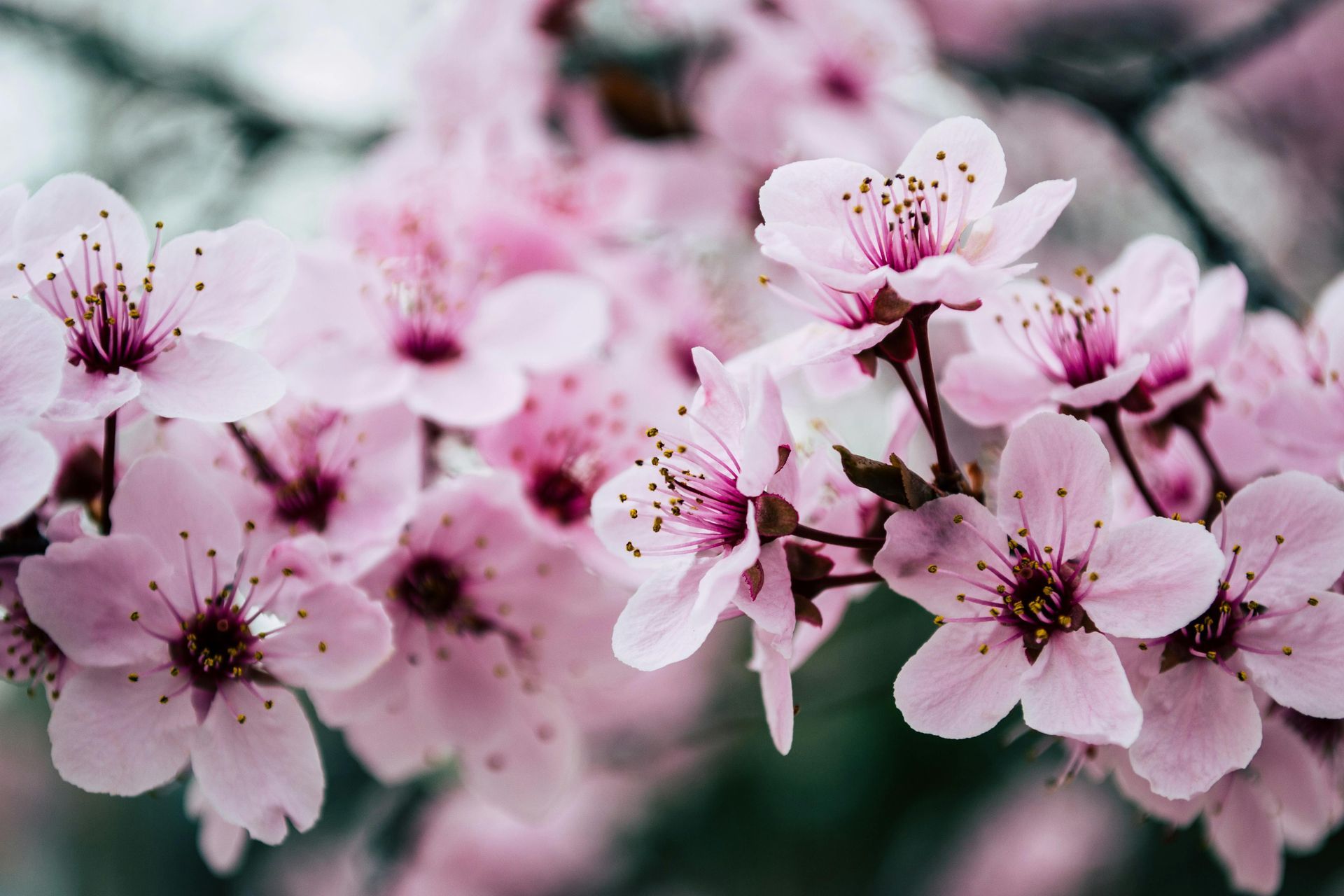
We wrote an entire spring guide to cherry blossom season — and for roadschooling families it deserves its own conversation because the educational layers go well beyond the beauty.
Cherry blossom season is a living science lesson in phenology — the study of how natural events are timed in relation to climate and seasonal change. Tracking bloom predictions, understanding why the bloom moves north as spring progresses, observing the stages from bud to peak bloom to petal fall & all of it connects directly to science curriculum in ways that a classroom experiment simply cannot replicate.
Washington DC adds the layer of history, civics, and culture that makes it one of the most complete roadschooling destinations in the country. The story of the cherry trees themselves, a gift from Japan in 1912, a relationship between two nations, a tradition that survived World War II and everything that came after, is a history and social studies lesson wrapped in one of the most beautiful natural events of the year.
The learning opportunity: phenology and seasonal science, Japanese culture and history, US Japan diplomatic relations, geography of the bloom's northward progression, botany and tree identification, art inspired by cherry blossoms across multiple cultures, and the mathematics of bloom prediction and probability.

Mardi Gras Hangover: The Culture of New Orleans in Early March
Laissez Les Bons Temps Rouler! How RVers Can Celebrate Mardi Gras Anywhere in the Country. Let's just say, you don't have to be in New Orleans to let the good times roll.
Here's one of our favorite things about the RV life....you don't miss out on culture, you chase it. And Mardi Gras is one of the most richly cultural celebrations in all of America. The beads, the music, the food, the history — none of it is locked behind a French Quarter address. Whether you're parked on the Gulf Coast, rolling through the Midwest, or camped somewhere you didn't even plan to be, Fat Tuesday finds you if you know where to look.
When: Mardi Gras falls in February or early March depending on the year — the cultural experience of New Orleans extends well beyond the holiday itself
Where: New Orleans Louisiana
If Mardi Gras falls in late February your roadschooling family can catch the tail end of the celebration in early March — and even after the official holiday ends New Orleans in early spring is one of the most culturally rich destinations in the country for families who want to go deep on American history and culture.
The French Quarter. The Garden District. The music that was born here and changed the world. The food that tells the story of every culture that ever passed through this city. The history of slavery, of freedom, of resilience, and of a community that has rebuilt itself from devastation more than once. New Orleans is not a light destination — it is a profound one. And for roadschooling families willing to engage with its full complexity it offers some of the deepest learning available anywhere on the map.
Mardi Gras is a genuine piece of American history and culture — rooted in Native American, French, Spanish, African American, Cajun, and Creole traditions, each region celebrating its own heritage. Goodpods One of the great gifts of full-time RV life is that you can be IN that history rather than just reading about it. You can park in Mobile where it all started. You can catch beads on a Gulf Coast beach. You can eat king cake in Louisiana with people who grew up doing it. Traveling makes culture real.
The learning opportunity: Louisiana Purchase and French American history, the history and culture of jazz and blues, Creole and Cajun culture and cuisine, the history of slavery and the slave trade in the deep south, architecture across multiple centuries and influences, the geography of the Mississippi Delta, hurricane science and disaster recovery, and the economics of tourism and cultural preservation.
Women's History Month: March Destinations with Stories to Tell
When: All of March
Best places to experience it: Seneca Falls New York, Washington DC, Memphis Tennessee, Boston Massachusetts & more!
March is Women's History Month and for roadschooling families it is an invitation to seek out the destinations and stories that don't always get the spotlight they deserve.
Seneca Falls New York is the birthplace of the American women's rights movement — the site of the first Women's Rights Convention in 1848 and home to the Women's Rights National Historical Park. For families studying civics, history, and social justice it is one of the most significant destinations in the country and one that roadschooling allows you to actually visit rather than just read about.
Washington DC offers the National Museum of Women in the Arts, monuments to significant women in American history, and the broader context of the legislative battles that shaped women's rights across two centuries.
Follow Harriet Tubman's path on Maryland's Eastern Shore for 125 miles and 36 sites — including station houses, secret meeting places, and spots where daring rescues and escapes occurred. The Byway includes the visitor center at Harriet Tubman Underground Railroad National Historical Park in Church Creek, which houses exhibits about Tubman's rescue missions and later activities as a spy during the Civil War.
The Ninety-Nines Museum of Women Pilots — Oklahoma City, Oklahoma
This one is an absolute hidden gem. Amelia Earhart was one of 99 women to form "The 99s" organization, and the Ninety-Nines Museum of Women Pilots carries on that legacy in Oklahoma City. For kids obsessed with flight, aviation, and breaking barriers — this museum delivers on every level and is one most families have never heard of.
National Cowgirl Museum & Hall of Fame — Fort Worth, Texas
Covering 33,000 square feet, the museum uniquely honors women of the American West with interactive exhibits, a theater, research library and archive, and galleries that showcase thousands of artifacts. At the Hall of Fame, learn about more than 750 pioneering Americans including Annie Oakley, Sacagawea, Georgia O'Keeffe, and Laura Ingalls Wilder.
Sacajawea Historical State Park — Pasco, Washington
Perfect for Pacific Northwest travelers. At the Sacajawea Historical State Park and Interpretive Center in Pasco, Washington, learn about Sacajawea — the remarkable Shoshone woman who played a pivotal role in shepherding the Lewis and Clark expedition on its harrowing journey west. It's a gorgeous park with real history, free to visit, and endlessly fascinating for kids who love exploration stories.
The learning opportunity: the history of the suffrage movement, key figures in women's rights history, civics and the legislative process, biography and primary source research, geography of the movement's key locations, and the ongoing conversation about equality and representation in American life.
Spring Equinox: Science Happens on March 20th
When: March 20th 2026
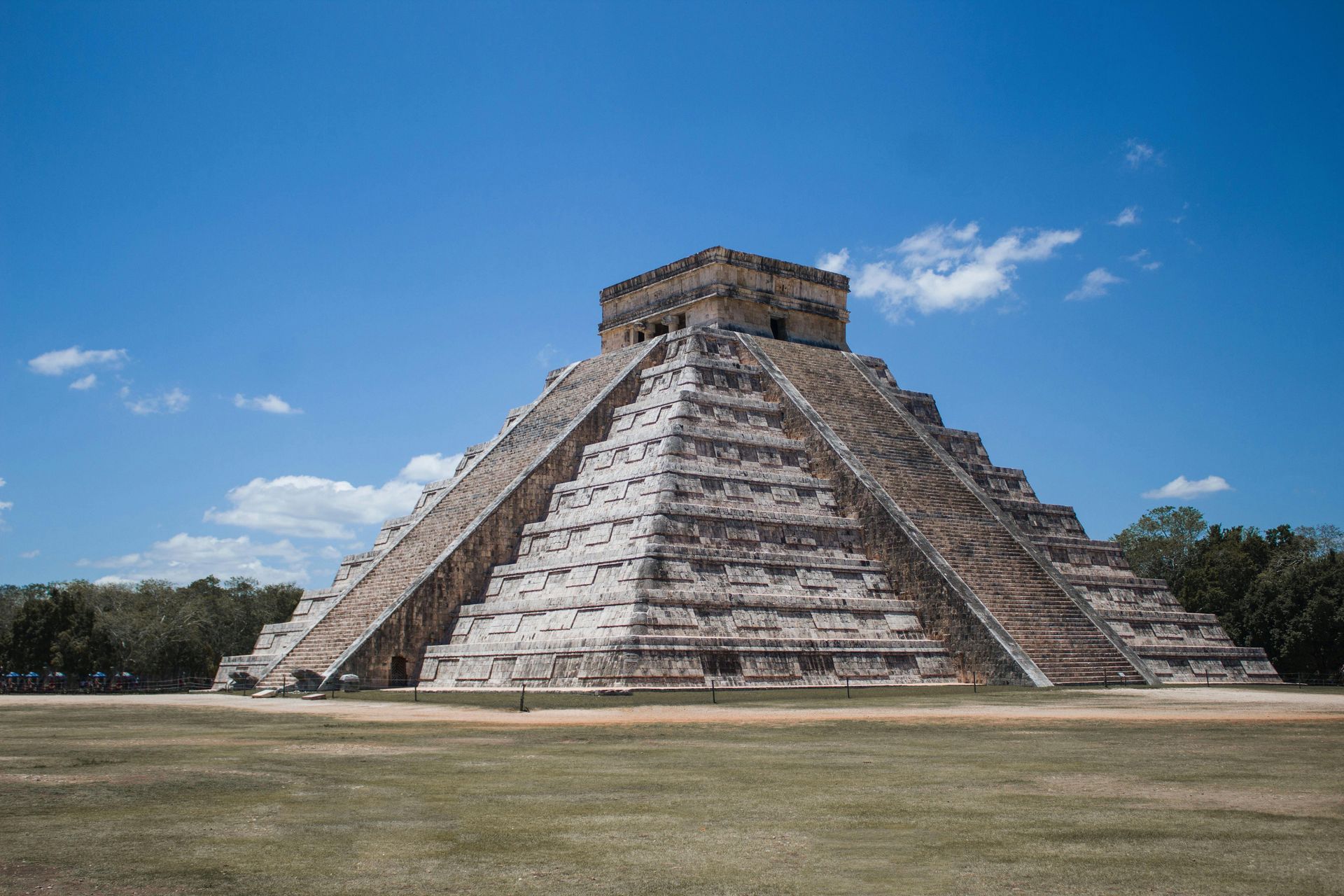
Best places to experience it: Chichen Itza Mexico is the iconic destination but the equinox is observable and educational anywhere
The spring equinox is the moment when day and night are approximately equal in length and the sun crosses the celestial equator. It falls on March 20th and is one of the cleanest science curriculum opportunities the calendar offers.
You don't have to be anywhere specific to make this educational. The equinox happens everywhere simultaneously and the observations, experiments, and conversations it enables are accessible from any campground in the country.
Track the sunrise and sunset times in the days leading up to March 20th and watch the daylight grow. Observe shadow length at the same time each day and chart how it changes. Talk about why the equinox happens — the tilt of the Earth's axis, the orbit around the sun, the relationship between axial tilt and seasons. Connect it to the agricultural traditions of the cultures you've been learning about — spring equinox has been marked by civilizations around the world for thousands of years for very practical farming reasons.
The Equinox Sunrise Journal — 10 Days of Data
Best for Ages: 7 and up | Difficulty: Easy
Materials: A notebook, a weather app, a compass or compass app
Starting March 10th, have your kids record the official sunrise and sunset times every single day leading up to March 20th. Track the total daylight hours each day and graph the change.
What they'll discover: Daylight is growing by roughly two minutes every day in March — fast enough to actually feel. On the equinox itself, day and night hit their closest point to equal.
Bonus observation: On the morning of March 20th, go outside at sunrise and use a compass to find due east. The sun will rise almost exactly due east on the equinox — one of only two days a year this is true. Mark it. Photograph it. It won't happen again until September.
The conversation it starts: Why does daylight change at all? This is the axial tilt discussion — the Earth isn't straight up and down, it's tilted 23.5 degrees, and that tilt is the entire reason we have seasons. Draw it on paper. Model it with an orange and a flashlight in the dark.
The learning opportunity: Earth science and astronomy, the geometry of the solar system, agricultural history and seasonal farming cycles, cultural traditions around the equinox across multiple civilizations, and the mathematics of tracking daylight hours and calculating change over time.
César Chávez Day
When: March 31st
Best places to experience it: California's Central Valley, San Jose California, Phoenix Arizona, Yuma Arizona
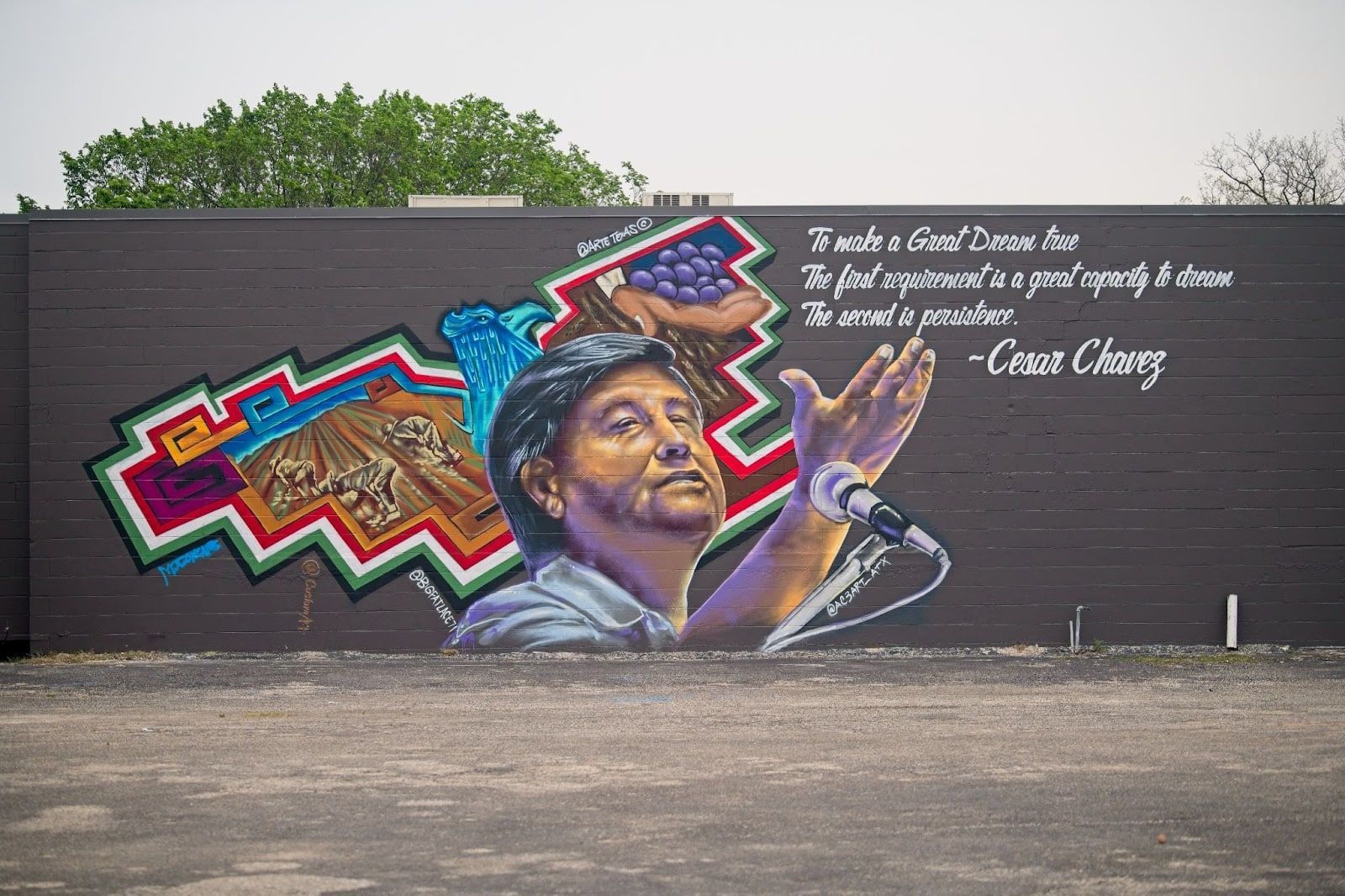
César Chávez Day is a federal commemorative holiday on March 31st honoring the life and legacy of the labor and civil rights activist who co-founded the United Farm Workers and spent his life fighting for the rights of farmworkers across the American southwest.
For roadschooling families traveling through California, Arizona, or the broader southwest in late March this is an opportunity to connect with a history and a community that shaped American labor law, civil rights, and agricultural policy in profound ways.
The Central Valley of California — where Chávez did much of his organizing work is itself a living geography and economics lesson about American food production, immigration, and labor.
César E. Chávez National Monument — Keene, California The most important stop. Located on the sprawling estate known as La Paz — Our Lady Queen of Peace — in Keene, California, the monument includes a 7,000-square-foot visitor center, memorial gardens, and the gravesite where Cesar Chavez and his wife Helen are buried. The main building features photo exhibits and Chavez's carefully preserved library and office. Your America the Beautiful pass gets you in. Located about 30 miles south of Bakersfield off Highway 58.
The Forty Acres — Delano, California The former headquarters of the United Farm Workers of America and the site where Cesar Chavez held his first public fast. A powerful and often overlooked stop just up the road from the monument.
Explore Virtually If California isn't on your current route, the National Park Service's website for the monument offers digital exhibits, ranger programs, and resources perfect for roadschooling from wherever you are parked tonight
The learning opportunity: labor rights history, civil rights movement connections, biography and primary source research, the geography of American agriculture, immigration history, the economics of food production, and the ongoing conversation about farmworker rights and food justice.
The Science of Spring: A Curriculum That Happens Everywhere
Beyond the specific events and destinations March offers a science curriculum that is literally happening around your rig wherever you park it.
The Great Migration Has Begun — And We Don't Just Mean the Birds
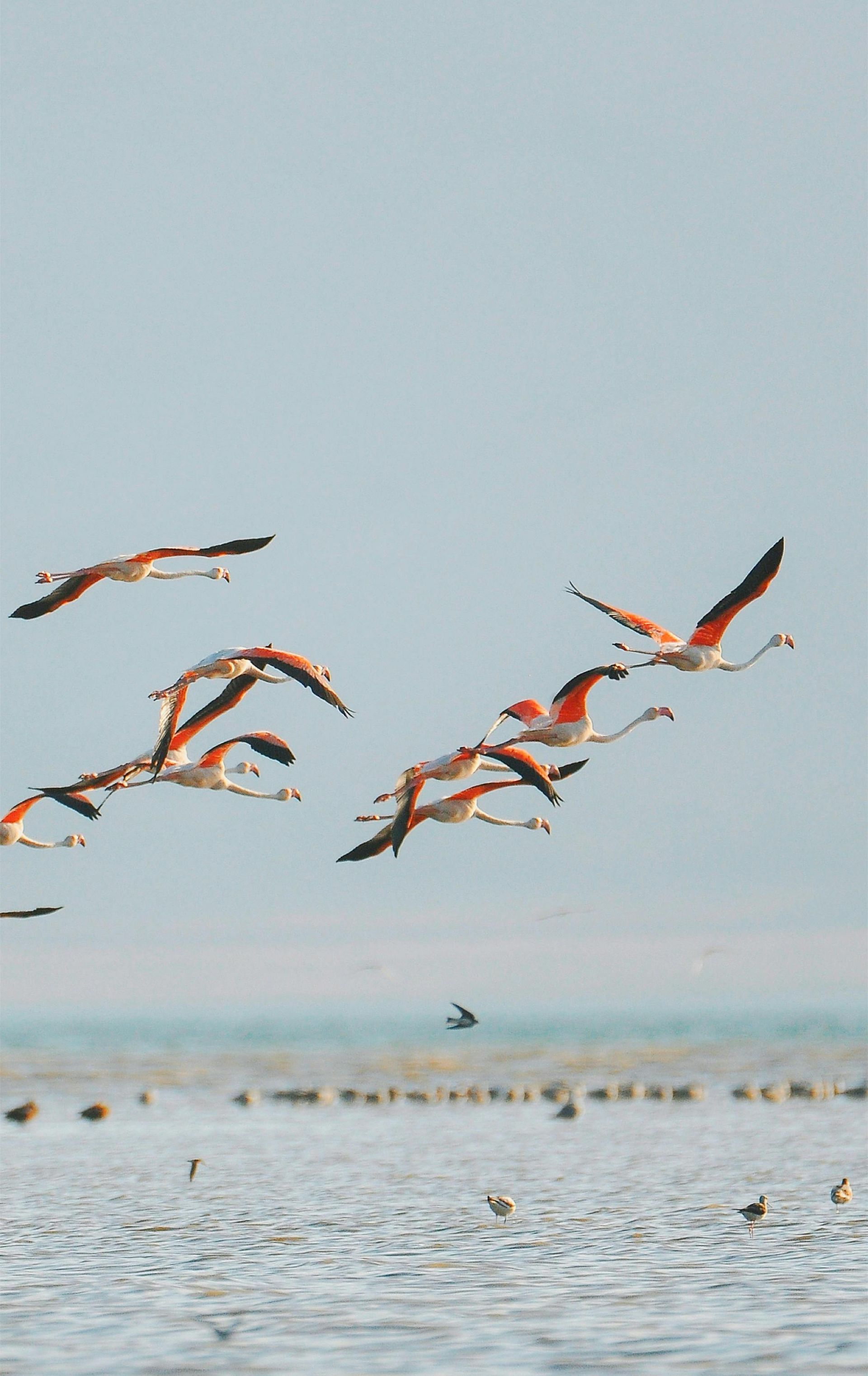
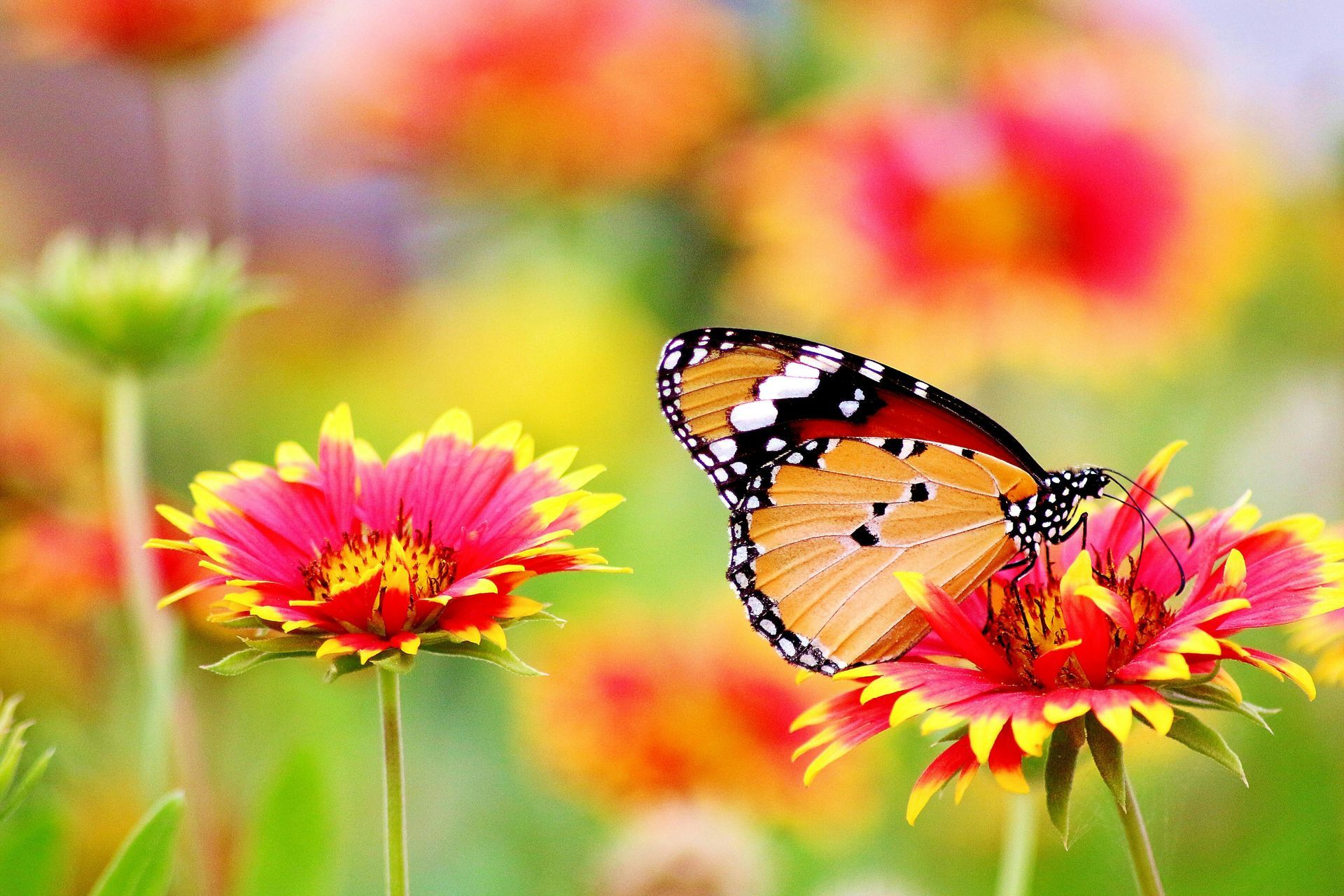
Every spring, two great migrations sweep across America. One involves monarch butterflies traveling thousands of miles on delicate wings. The other involves RVers in cargo shorts firing up their generators. Both are unstoppable. Both leave a trail.
Here's what nobody puts in the nature documentaries: the humans migrate too. Right around the time the red-winged blackbirds start showing up in the reeds and the monarchs begin their legendary push northward, something stirs in campgrounds from Florida to Texas. A collective restlessness. A checking of weather apps. A suspicious amount of conversation about tire pressure.
The snowbirds are getting ready to fly.
And honestly? We are right there with them.
Wildflowers are emerging at different elevations and latitudes on a schedule that reflects temperature and day length with remarkable precision. Rivers are running high with snowmelt.
Weather systems are dynamic and dramatic and observable in real time.
The roadschooling family in March has a living laboratory that no classroom can replicate. The question is simply whether you're paying attention to it.
Keep a nature journal handy in March. Track what you see each day — what's blooming, what birds have appeared, what the weather is doing, how the landscape is changing. Map your observations against your location and watch patterns emerge.
Where to Follow the Migration as an RVer
The beautiful thing is that following nature's migration and planning your own spring route are basically the same thing.
Texas — March & April The monarchs funnel through Texas before spreading north. The National Butterfly Center in Mission, Texas sits right on the migration corridor and is one of the premier monarch watching sites in the country. Combine it with the Rio Grande Valley — one of the most spectacular birding destinations in North America — and you have a week of roadschooling content that writes itself. Also: the bluebonnets. You know why.
Gulf Coast — March through May The Gulf Coast is a critical stopover point for migratory birds crossing the Gulf of Mexico — exhausted songbirds land in coastal trees after flying hundreds of miles over open water, creating what birders call a "fallout" — when conditions are right, a single oak tree can hold dozens of species at once. High Island, Texas and Dauphin Island, Alabama are legendary among birders for exactly this reason. You do not have to be a birder for this to blow your mind. You just have to look up.
Pacific Coast Highway — February through April Gray whale watching season peaks right now. Cabrillo National Monument in San Diego, Point Reyes National Seashore, and the Oregon Coast offer some of the best shore-based whale watching in the world during spring migration. Pull over anywhere with an ocean view and give it ten minutes. You will not regret it.
The Great Plains — April & May The Platte River in Nebraska hosts one of the most spectacular wildlife spectacles in North America every spring — up to 80 percent of the world's sandhill crane population converges on a 70-mile stretch of river, sometimes half a million birds at once, before continuing north. If you are anywhere near Nebraska in April and you skip this, we are genuinely concerned about your decision-making.
The Atlantic Coast — March through May The Atlantic Flyway runs the entire length of the East Coast and spring migration brings shorebirds, waterfowl, and songbirds through every state from Florida to Maine. Delaware Bay in May is famous for the horseshoe crab spawn — and the shorebirds that descend on it by the hundreds of thousands — but honestly pull over at any coastal wildlife refuge right now and something remarkable is probably happening.
A Few Tips for the RV Migration Watcher
The eBird app is free and will show you exactly what birds have been spotted near your current location in the last 48 hours. It is essentially a migration GPS for nerds and we mean that as the highest possible compliment.
Dawn and dusk are when migration is most visible. Which means the early risers in your campground — the ones who have been up since before the coffee is done — were actually right all along. Shhhhh.....Don't tell them.
Roadschooling gold: migration is science, geography, biology, and wonder all in one. Have your kids track what they see, where they saw it, and what direction it was moving. By the end of the trip they will have built something that looks a lot like a field journal without anyone calling it homework.
Pull over more than you think you need to. The migration doesn't wait. Neither does the light. The monarchs don't wait for the weather to be perfect. The gray whales don't wait until the timing is convenient. The sandhill cranes don't check to see if the campground has full hookups.
They just go.
Maybe that's what we love most about spring on the road. Everything is moving. Everything is headed somewhere. And for once, so are we.
Building Your March Roadschool Curriculum
The events and destinations in this guide don't have to be separate stops on a disconnected itinerary. The most powerful roadschooling happens when you find the threads that connect what you're learning across subjects and locations.
Irish immigration connects to the broader story of immigration in America which connects to the history of the communities you're driving through. Cherry blossom season connects to the science of spring which connects to the equinox which connects to the agricultural traditions of every culture you study. Women's History Month connects to the civil rights conversations you had in February and the labor rights conversations that César Chávez Day opens up in March.
The road is not a series of disconnected stops. It is a continuous story. March can certainly be one of the richest chapters in that story and the roadschooling family that approaches it with curiosity, intention, and a willingness to follow the learning wherever it leads will finish the month with an education that goes well beyond any standardized curriculum.
Event dates and festival schedules are subject to change. Always verify current information directly with event organizers before planning your route around specific dates.
Other blogs you might like...