


Personal Safety on the Road: How to Stay Smart, Aware, & Protected Wherever you are Parked

Jennifer Schillaci • April 7, 2026


The Road Gives You Freedom. Awareness Keeps You Safe.


There is something about RV life that often makes you feel invincible. The open road, the adventure,  the fresh air, the sense that you've traded the ordinary for something bigger and better. And honestly? That feeling is one of the best parts of this lifestyle.


But freedom and awareness have to travel together. Whether you're pulling into a brand new town for the first time or rolling back into a campground you've visited a dozen times, personal safety on the road is something every RVer needs to think about — families, solo travelers, retirees, and full-timers alike.


This isn't about fear. It's about being present, being smart, and making sure the adventure you worked so hard to build stays exactly that.


Put the Phone Down. Seriously.

Let's start with the one nobody wants to hear.


We have become a culture that experiences the world through a four-inch screen. We walk through new towns with our heads down, scrolling, texting, navigating — completely unaware of what's happening six feet in front of us. We sit at picnic tables staring at Instagram instead of noticing who just pulled into the site next to us. We wander through unfamiliar areas so locked into our phones that we wouldn't notice if someone was following us.


Your phone is a tool. A great one. But when your head is buried in it, you have surrendered your single greatest safety asset — your awareness.


When you step out of your rig and into the world, put the phone in your pocket. Look up. Look around. Make eye contact with people. Notice your surroundings. Know what's behind you, what's ahead of you, and what feels off. That instinct — that quiet inner voice that says something doesn't feel right here — only works when you're actually paying attention.


The best safety app you have isn't on your phone. It's your gut. And you can only hear it when you're present.

New Town Energy: How to Read a Place Before You Settle In

One of my favorite parts of RV life is waking up somewhere we've never been. New town, new energy, new possibilities. But new also means the unknown, and the unknown deserves a little respect before you get too comfortable.


When you pull into a new area, take a few minutes before you unhitch and crack open a cold drink to just observe. What does the neighborhood around the campground look like? Is the area well-lit at night? Are there other rigs and families around, or does it feel isolated in a way that makes you uneasy?


Trust that first impression — it's usually right.


When you head into town, walk like someone who knows where they're going even if you don't. Confident, aware, upright. People who look uncertain or distracted are more likely to be targeted than people who look purposeful and present. You don't have to be intimidating — just aware.


Notice the basics. Where are the exits? Where did you park? If you needed to get back to your rig quickly, which way would you go? These aren't paranoid questions. They're the kind of quiet mental notes that take two seconds and can matter enormously.


Familiarity Is Not the Same as Safety

Here's the one that catches people off guard: a place you know is not automatically a place you're safe.


We let our guard down in familiar places. The campground we've been to every summer for five years. The small town we passed through last season without incident. The rest stop we always use on a particular stretch of highway. Familiarity breeds comfort, and comfort breeds inattention & inattention is where most problems begin.


Crime, conflict, and uncomfortable situations don't only happen in places that look sketchy. They happen in well-lit campgrounds, in charming small towns, in busy truck stops, and at crowded rally events. Staying aware isn't something you do only when something feels wrong. It's a habit you build so that you notice when something starts to feel wrong before it becomes a problem.

Campground Awareness: Your Home Base Still Needs Attention

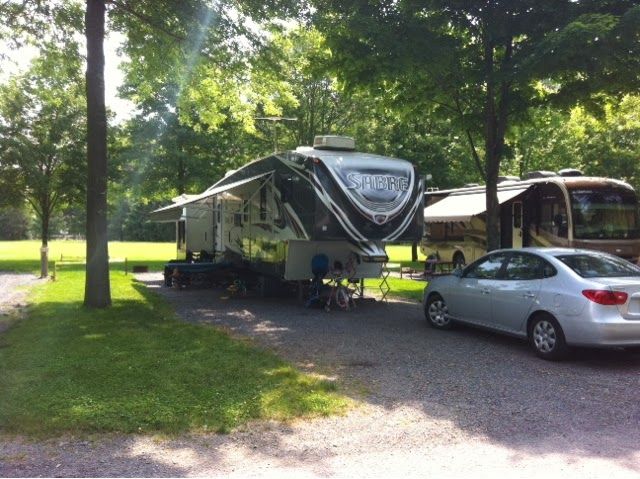
Your rig is your home away from home, and like any home it deserves some basic security thinking.


When you set up camp, take a look around. Introduce yourself to neighbors — not just because it's friendly, but because knowing who belongs in your area makes it easier to notice when someone doesn't. A simple wave and a hello can create an informal community of people who are looking out for each other without even realizing it.


Lock your rig when you leave, even for a short walk. Keep valuables out of sight. If you have a vehicle toad or a bike rack, make sure things are secured. At night, make sure your outdoor lighting is working and consider a simple motion-activated light if you're in a more remote spot.


If something or someone feels off — trust it. You don't owe anyone an explanation for moving your rig, changing your plans, or asking a campground host to do a walkthrough. Your comfort and safety come first. That's why your RV has wheels.


Solo Travelers: Extra Mindful, Extra Empowered

Solo RVing — especially solo female RVing — is one of the most empowering things a person can do. It is also something that deserves an extra layer of intentional awareness.

Let someone know your plans. A friend, a family member, someone in your life who knows your general route and checks in with you. It doesn't have to be formal — a quick text saying "headed to X campground tonight, should be there by 6" creates a thread of accountability that matters.


In campgrounds, you don't have to broadcast that you're alone. You don't need to lie about it either — just don't volunteer it to strangers you've just met. Keep your itinerary a little close to the chest with people you don't know well.


Trust your instincts without apologizing for them. If a situation, a person, or a place doesn't feel right — leave. Repark. Change your plans. No experience is worth overriding the inner voice that's trying to protect you.


Mindfulness on the Road Is a Practice, Not a Paranoia

There's a difference between being fearful and being mindful, and it's important to hold onto that distinction.


Fear contracts. It keeps you from pulling into new places, from talking to strangers, from taking the road less traveled. That's not what this is about.


Mindfulness lets you take in everything around you — the beauty, the people, the energy of a place — while also staying rooted and aware. It means you notice the sunset AND notice who's walking toward you. It means you enjoy the town square AND know where your rig is parked. It means you're fully in the experience without being asleep inside it.


RV life at its best is deeply present. You're closer to the world than you are in a house, a hotel, or a rigid schedule. That presence is the gift. Awareness is just what you bring to it.


A Few Simple Habits Worth Building

Keep your phone charged and accessible, but in your pocket — not in your hand. Share your location with a trusted person when you're somewhere new. Walk with your head up and your eyes moving.


Take the time to introduce yourself to campground neighbors early.


Trust your instincts without needing to justify them. Check the area around your rig before settling in for the night. Have a plan — even a loose one — for getting back to your rig if you need to leave somewhere quickly.


And protect your autonomy. You do not owe anyone your schedule, your route, or your next destination. Chatting with fellow RVers around the campfire is one of the best parts of this life — but there is a difference between community and an open itinerary. It is okay to be friendly and still be intentional about what you share and with whom.


One of the most important habits you can build in this lifestyle is this: do not post your location in real time on social media. 


We know.


The field of bluebonnets is stunning and you want to share it the second you pull over.


The campsite view at golden hour is exactly what your people need to see. We get it — we do it too.


But the best practice, especially for solo travelers and families, is to stay at least two weeks behind your actual schedule when you share publicly. Post the beautiful sunset after you have already moved on.


Share the campground after you have already left. Your audience will still love the content and you will have protected something that matters more, where you actually are right now.


This is not about fear. It is about being smart with information in a world where not everyone who follows your journey has good intentions. Your real-time location, your rig make and model, your travel patterns — these are details worth keeping close.


For more on protecting yourself and your family online, including internet security practices built specifically for life on the road, check out our companion piece on whether or not to get your OWN internet on the road as an extra layer of protection. You can read that full blog here


None of these habits are complicated. None of them will slow you down or shrink your experience. They are just the quiet practices of someone who loves this lifestyle enough to protect it — and protect the people they are traveling with.


The Road Is Good. Keep It That Way.

Jennifer and Tasha say it all the time on the podcast this life is a gift. The people you meet, the places you land, the stories you collect along the way. None of that changes when you are aware. It just means you get to keep doing it.


Stay present. Stay mindful. Keep your head up and your eyes open.

The road is waiting — and it is beautiful out there.


Other blogs you might like...

Two coffee cups sit in the foreground with two red articulated lorries parked at a service station behind them.
By Jennifer Schillaci April 6, 2026
RVer overnight parking explained: Walmart, truck stops, Cracker Barrel, and BLM land. Know what’s allowed, what’s not, and how to park responsibly on the road.
An elevated view of a white, weathered RV roof with an air conditioner, skylights, and vents, seen from above a driveway.
By Jennifer Schillaci April 3, 2026
Spring is the season for RV roof inspections. Learn what to check, how to prevent leaks, and why a quick maintenance routine can save you from costly water damage.
A vibrant field of bluebonnets and red Indian paintbrush wildflowers under a clear, blue sky.
By Jennifer Schillaci April 2, 2026
Chasing Texas bluebonnets in 2026? Here's where to find the best blooms, peak timing predictions, and the snake safety tips every RVer needs before stepping in.
By Jennifer Schillaci April 1, 2026
Everything we've learned from years of full-time travel, thousands of conversations, and countless "I wish I'd known this sooner" moments — finally organized into one place.
By Jennifer Schillaci March 30, 2026
Lone Star Ticks, Valley Fever, Pesticides & More — A Guide for Life on the Road
A vibrant golden sunrise illuminates a snow-covered landscape and frozen lake, framed by bare birch trees in the foreground.
By Jennifer Schillaci March 27, 2026
Still finishing winter lessons at the end of March? RV roadschoolers aren’t behind. Here’s why many full‑time families wrap up winter learning as spring begins.
A recreational vehicle drives along a curving road through a dry, grassy landscape toward distant snow-capped mountains.
By Jennifer Sansford March 26, 2026
Protect your family and your travels with smart legal planning for full‑time RV life. Learn the key steps to stay compliant, covered, and confident on the road.
By Jennifer Schillaci March 25, 2026
What Full-Time RVers Know About Spring Travel That Weekend Campers Might Not
A calico kitten with tabby markings rests its head on a white surface against a solid gold background.
By Jennifer Schillaci March 23, 2026
RVing with pets? From dogs and cats to ferrets, snakes, and birds — the honest guide to what works, what's legal, and how to handle emergency vet care in an RV
By Bob Harper March 20, 2026
"What started as a phone call with a club president turned into one of our best RV decisions"
Show More