Where Are the Texas Bluebonnets in 2026 — and What's Hiding in Them?

Jennifer Schillaci • April 2, 2026

Learn It Before You Need It · Outdoor RV Life · Texas Travel

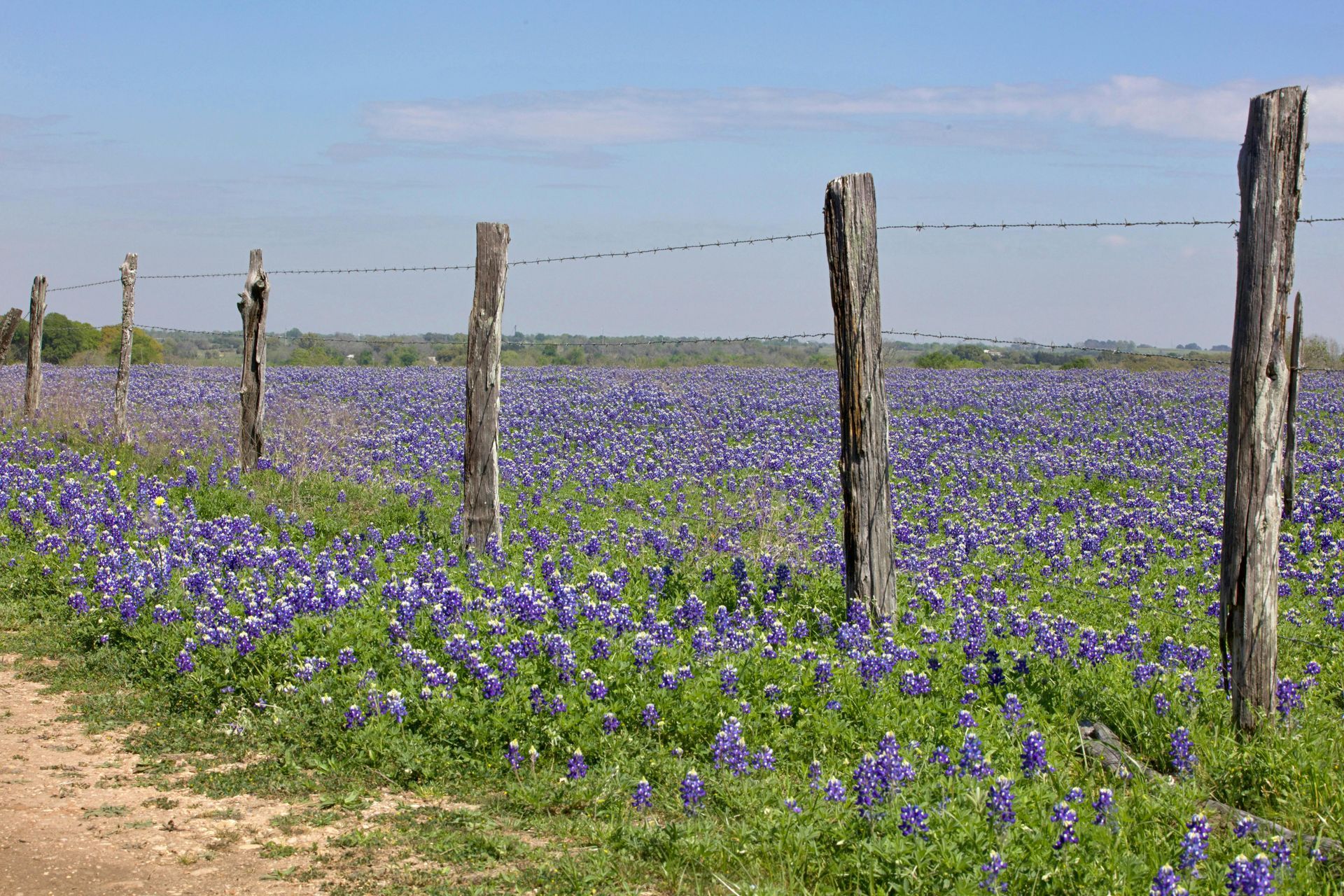
A wire fence with weathered wooden posts lines a vast field filled with vibrant bluebonnet flowers under a clear blue sky.

If you have been RVing through Texas in the spring for any amount of time, you already know: bluebonnet season is not a suggestion. It is a calling. Families pull over on the side of the highway. Dogs get their portraits taken. Toddlers sit in fields of blue looking like they were placed there by a movie director. It is one of those only-in-Texas moments that makes you grateful you live this life on the road.


But here is the thing nobody puts in the caption: those gorgeous patches of wildflowers? They are also one of the favorite hiding spots for some of Texas's most venomous snakes.


We are going to talk about both. The beauty and the reality.

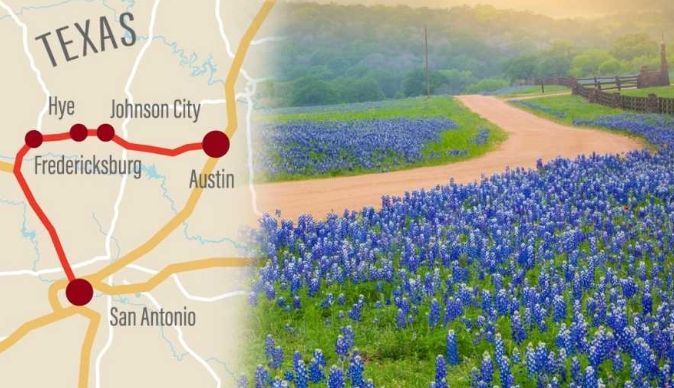
A map of Texas locations including Austin and San Antonio, transitioning to a dirt road through a field of bluebonnets.

What to Expect from the 2026 Bluebonnet Season

Let's set realistic expectations before you start planning your route.


According to experts at the Lady Bird Johnson Wildflower Center in Austin, the 2026 wildflower bloom season is expected to vary widely across Texas, shaped by uneven rainfall, continuing drought conditions, and local microclimates. Much of Central Texas saw a notably dry fall, followed by a mild winter with limited rainfall — and bluebonnets rely heavily on fall moisture to sprout and winter rain to grow before blooming in spring.


Translation: if you were hoping for the sweeping wall-to-wall blue carpets of a banner year, this might not be that year — especially in the Hill Country. Andrea DeLong-Amaya, horticulture educator at the Wildflower Center, put it plainly: "We may just have to look a little harder for bluebonnets on the side of the road this year in many locales."


But here is the good news: "I've never seen a year where nothing is blooming," she also said. "That just doesn't happen." You will find them. You may just need to be more intentional about where you look.


Other wildflowers may help fill in the gaps as spring progresses — perennial species like winecups, prairie verbena, and milkweed tend to be more resilient during dry periods and could provide a stronger showing later in the season. So even if the blue is a little lighter this year, the roadside color show is not canceled.


When Do Texas Bluebonnets Peak in 2026?

Timing is everything when you are chasing wildflowers in an RV. You cannot always stop what you are doing and go — but if you can be flexible with your route in early April, you will be in the right window.


Peak bluebonnet season typically occurs in early April, spanning from late March through mid-to-late April in the "bluebonnet belt" of Central and East Texas. Dr. Sean Griffin with the Lady Bird Johnson Wildflower Center noted that warmer temperatures this year could speed up the process, and warned that "the season's not going to last long."


The window is open now and it will not stay open long. If bluebonnet photography is on your spring bucket list, this is your year to be decisive.

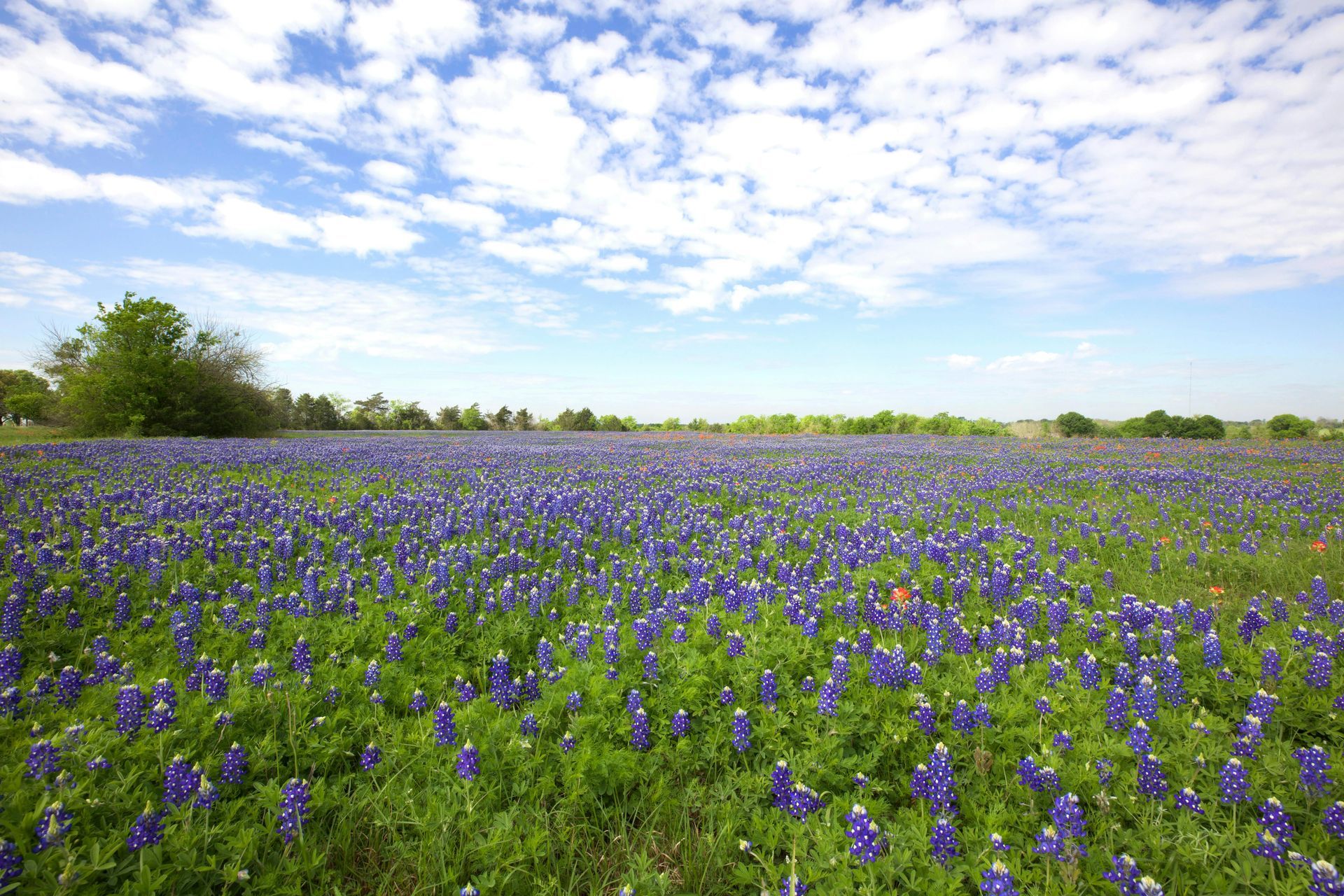
A vast field of bluebonnets under a bright, partly cloudy blue sky, with a few trees on the horizon.

Some of THE Best Places to See Texas Bluebonnets in 2026

Ennis — the Bluebonnet Capital of Texas

If you want the most organized, most spectacular, and most reliable bluebonnet experience in the state, Ennis is your destination. Located about 40 minutes south of Dallas, Ennis opens more than 40 miles of mapped driving trails from April 1–30, with peak bloom expected during the second or third week of April. The Ennis Bluebonnet Trails Festival runs April 17–19. You can drive the trails from the comfort of your tow vehicle, which is genuinely perfect for the RV crowd — no hiking required, no tight parking, and you get a show the whole way through.


The Texas Hill Country — From Austin to San Antonio

This stretch of Highway 290 between Austin and Fredericksburg is considered the bluebonnet mecca. Marble Falls, Llano, and the back roads around Burnet and Mason are legendary for wildflower displays in good years. This year, Hill Country displays may be sparser than usual due to dry fall conditions — but Central Texas's native prairie ecosystem, thin rocky limestone soil, and long-established roadside management practices mean there will still be something worth seeing. Be flexible and willing to drive the backroads rather than sticking to the main highways.


Brenham and Washington County

Nestled between Houston and Austin on Highway 290, Brenham and surrounding Washington County are a reliable bluebonnet destination with rolling farmland fields that photograph beautifully. Watch the Wildflower Watch page at visitbrenhamtexas.com for real-time updates before you make the drive.


DFW Area — Cedar Hill, Plano, and the Tandy Hills

In the DFW area, Cedar Hill State Park offers hilly vistas along Joe Pool Lake, the Tandy Hills Natural Area in Fort Worth provides an unmanicured look at indigenous prairie life, and in Plano, the Bluebonnet Trail Greenbelt and Arbor Hills Nature Preserve offer miles of trails through neighborhood patches.


Muleshoe Bend Recreation Area — Hill Country

Muleshoe Bend Recreation Area along the Colorado River has a reputation as a fantastic location for bluebonnet viewing with the added bonus of beautiful Hill Country scenery and river access. It is a gorgeous stop if you are passing through the Lake Buchanan area.

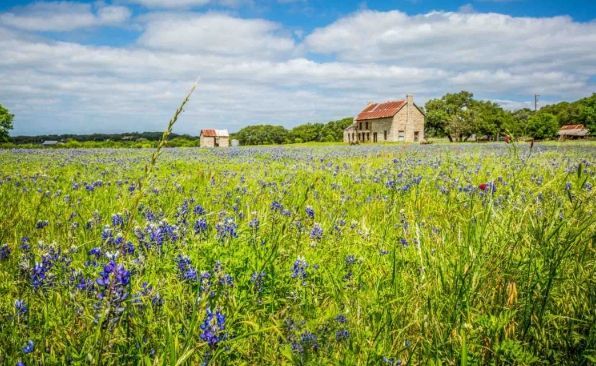
A field of bluebonnet flowers in front of an old farmhouse under a partly cloudy sky.

Now here's the Part Nobody Puts in the Photo Caption

You are going to see the pictures. You are going to pull over. You are going to want to walk your kids and your dog right into that field of blue. And we are not telling you not to.

We are telling you to look first.


Experts consistently warn that tall wildflower patches are prime hiding spots for rattlesnakes and copperheads. These snakes are not there to ruin your photo shoot — they are there because the cover is perfect, the temperature is right, and the field is full of the rodents and insects they are hunting. You are walking into their home.


Wildlife experts advise that before sitting down in a field of bluebonnets, you should tap around the area and be cautious. "By the time you can tell what shape their eyes are, you're a little too close," said one Fort Hood wildlife management supervisor.


The Snakes You Might Actually Encounter

Texas is home to four venomous snake species: coral snakes,  copperheads, cottonmouths (water moccasins), and rattlesnakes. Not every snake you encounter is dangerous, which is why knowing how to quickly identify each one is so important.


Snakes also play a vital role in the environment — controlling rodents, balancing ecosystems, and keeping other pests in check. And remember: a startled or cornered snake may react in ways a snake left alone never would. Giving them space is the safest choice for everyone.


In bluebonnet areas specifically, copperheads and rattlesnakes are the most common concerns. Copperheads have chestnut or reddish-brown crossbands on a lighter colored body and in the spring can be found along streams and rivers as well as in weed-covered areas.  Their coloring makes them extremely difficult to spot in leaf litter and dense groundcover, which is exactly what a wildflower patch looks like from a snake's perspective.


Rattlesnakes will sometimes warn you — but not always. Most of the time, a rattlesnake will use its rattle to let you know it’s uncomfortable and wants space. But if you catch one by total surprise, it may not rattle first and could choose to strike.


A rattlesnake’s strike distance is limited, and the rattle is its way of telling you to stop, stay still, and figure out where the sound is coming from before you move. Staying calm and giving the snake plenty of room is the safest choice for everyone.


When you’re hiking or camping in rattlesnake country, wearing boots and long pants adds an extra layer of protection, especially in tall grass, rocky areas, or anywhere visibility is low.


If you’ve never heard a rattlesnake before, it’s worth listening to a recording so you know what that warning sounds like.


The honest reality: "With cover like a bluebonnet patch, that is an area where a snake could very easily be hiding, and you'd never see it until you're right up on top of it."


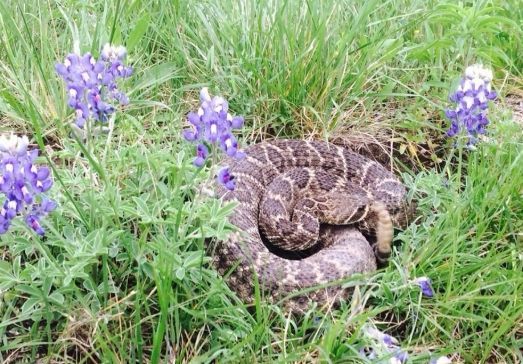
A coiled rattlesnake with brown, patterned scales rests in green grass among purple bluebonnet flowers.

How to Enjoy the Bluebonnets Safely — With Kids, Dogs, and Full Peace of Mind

You do not need to skip the bluebonnets. You need to be smart about them.


Before you walk in: Have an adult venture ahead of the kids with a stick, make some noise, walk around a little bit, and make sure there are no snakes in the area before you set your children down. This is genuinely good advice, not overkill.


Wear the right shoes. Sandals and flip flops have no business in a Texas wildflower field in spring. Wearing shoes and never putting your hands where you cannot see them are among the top recommendations from Texas A&M AgriLife Extension snake safety experts. Closed-toed shoes at minimum. Boots if you have them.


Keep dogs on a leash. Dogs are curious, low to the ground, and will push their nose right into a patch of flowers without any awareness of what is underneath. Keep them leashed and close.


Watch where you sit. That perfect spot on the ground looks like a photo backdrop to you. It looks like shade and cover to a snake. Scan before you sit.


And while we’re talking about crawling creatures… here’s a lesson we learned the itchy way. A few years back, we wandered into a Texas field wearing shorts, chasing that perfect bluebonnet photo, and while we didn’t run into a rattlesnake, we did discover that chiggers are very real.


We came out absolutely covered in bites in all the wrong places after that little bluebonnet excursion. It was a fast reminder that Texas fields have their own surprises, and long pants aren’t just for snake country… they’re for anything that crawls, climbs, or waits quietly in the grass.


If you see a snake: Stay calm. Moving too fast can cause the snake to react. Keep your distance, and if you hear rattling, move away from the area calmly. Do not attempt to move it, touch it, or get a closer look for a photo.


If someone is bitten: Seek medical attention as soon as possible — call 911 or local Emergency Medical Services. Stay calm, remove any restrictive clothing or jewelry near the bite before swelling begins, and get to a hospital. Do not try to suck out the venom or apply a tourniquet.


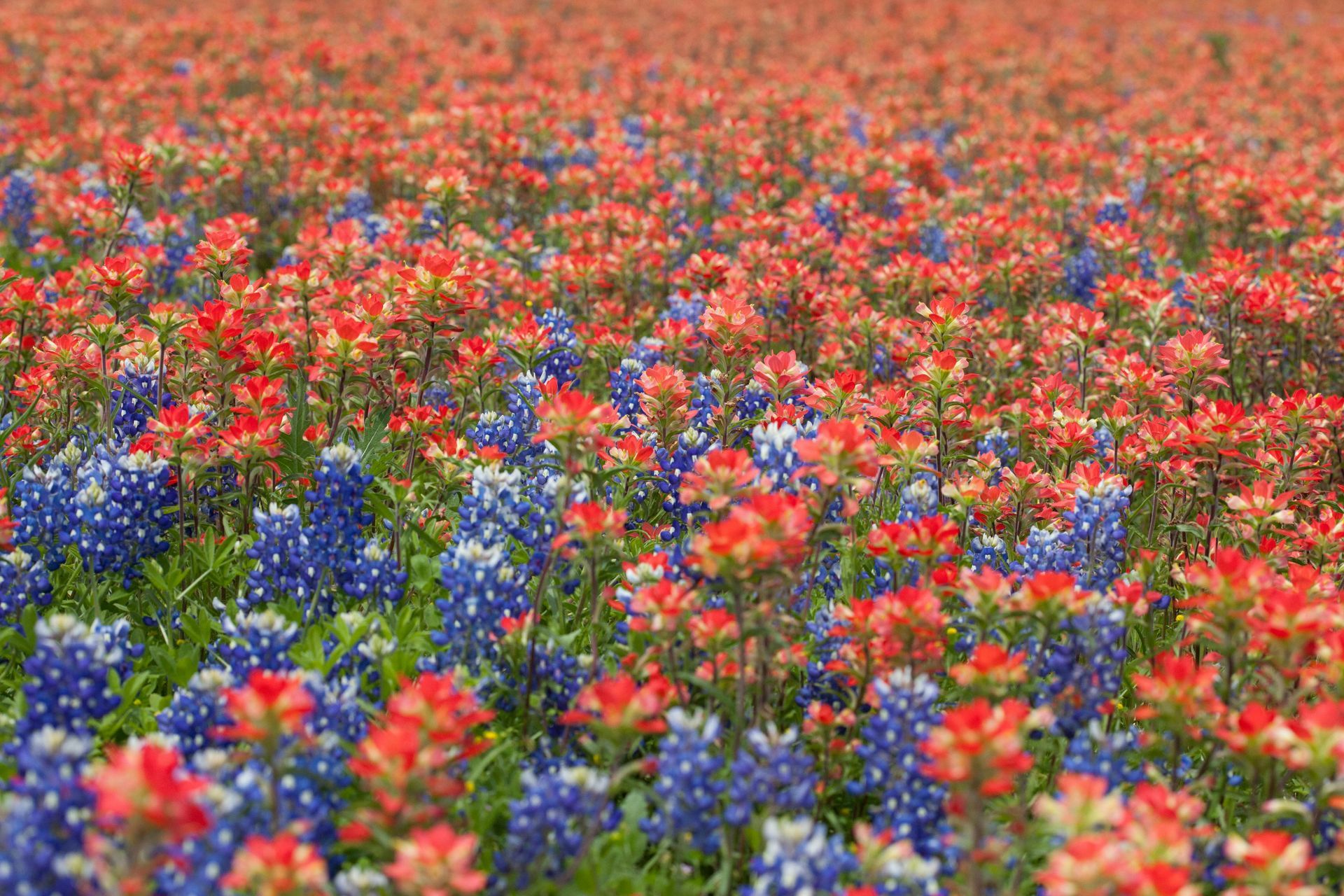
A field filled with orange Indian paintbrush and purple bluebonnet flowers under a soft, natural light.

A Few More Things to Know Before You Go

One more thing that surprises people every single year: there is no specific Texas law against picking bluebonnets. We know. We were shocked too. But there are laws against damaging public property, trespassing on private land, and unsafe roadside behavior — so pick a few, leave the patch intact, and don't be the person who drives onto someone's field for the shot.


Pull over safely. We know you are going to do it. Just make sure it is a safe shoulder, away from heavy traffic, and never on private property without permission.


And before you sit down anywhere — check for fire ants. Because this is Texas and fire ants absolutely do not care about your bluebonnet content.


Keep Chasing the Blue

We are not Texas natives. But we have been Texas residents since the day we joined Escapees back in 2014 — and if you know anything about the full-time RV community, you know that makes us Texans in all the ways that count.


We just rolled back into a Texas spring, and we will be honest with you — it feels a whole lot more like summer already, at least here in the Houston area. The heat is doing the most right now. But even here, where the big sweeping bluebonnet fields are not exactly around every corner, we are catching glimpses. Those unmistakable patches of deep, saturated blue tucked along the roadside. A field that makes you do a double-take. A median that stopped us mid-conversation because the color was just that good.


That is the thing about bluebonnets. You do not have to be standing in a Hill Country postcard to feel it. Even a single roadside patch in the Houston heat is a sure sign that Texas is doing what Texas does best, showing off in the most beautiful, stubborn, only-here kind of way.


The 2026 season may be a little patchier than we would like, and the window is moving fast. But it is out there. Drive the Ennis trails. Wind through the Hill Country backroads. And if you spot a field glowing blue along the highway — pull over.


You are living this life precisely so you can do things like that on a Thursday.

Just please look before you sit down.


Have you found a great bluebonnet spot this year? Drop it into our FREE Facebook group!  And if you have a snake encounter story from a wildflower field, we absolutely want to hear that one too.


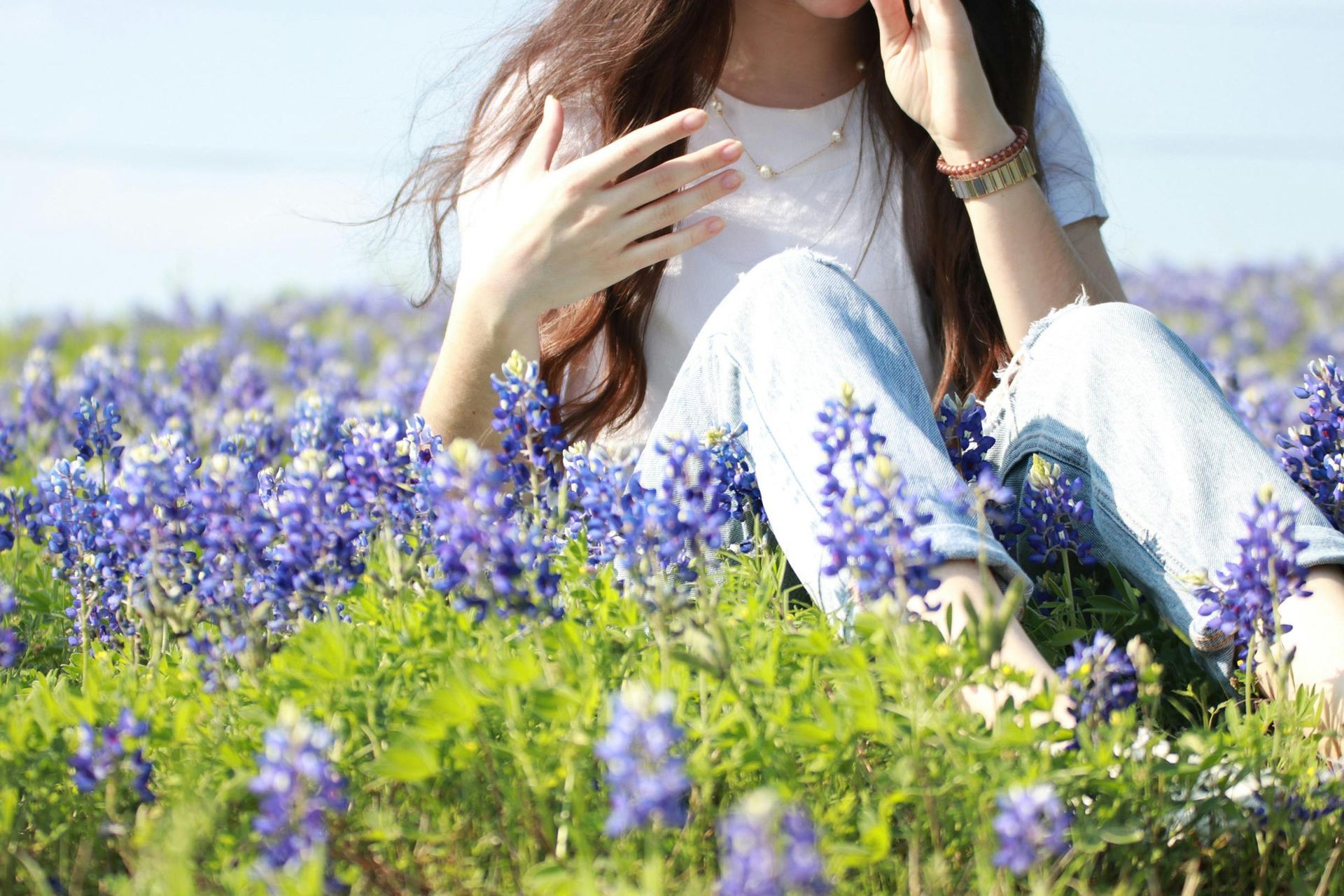
A person sitting in a field of blooming bluebonnet flowers on a sunny day.

Snake Education Resources — Know Before You Go

The best protection against a bad snake encounter is knowing what you are looking at before you get too close. Here are the resources we actually recommend:


Texas Parks & Wildlife — Venomous Snake Safety The official state resource. Covers all four venomous snake families found in Texas — copperheads, rattlesnakes, cottonmouths, and coral snakes — with photos, descriptions, and habitat information. Free, reliable, and written for real people not just scientists.

🔗 tpwd.texas.gov — search "Venomous Snake Safety"


Texas Parks & Wildlife — Snake FAQ A detailed guide to snake identification covering color patterns, scale types, behavior, and the most common species you will encounter across Texas — including the species most likely to be confused with each other. 

Texas Parks & Wildlife Department


Here's a great resource for roadschooling families who want to turn a snake sighting into a learning moment. 🔗 tpwd.texas.gov — search "Snake FAQ"


iNaturalist — Southeast Texas Snake ID Guide This guide was created for members of the Southeast Texas Snake ID Facebook group, an educational community dedicated to providing quick identifications and a better understanding of snakes and their role in the ecosystem. It can be accessed offline through the iNaturalist app iNaturalist  which makes it genuinely useful when you are out in a field with no signal.

🔗 inaturalist.org/guides/7148


Southeast Texas Snake ID — Facebook Group A free, active community where you can post a photo and get a real identification quickly. Members include experienced herpetologists and naturalists. If you encounter a snake and want to know what it is, this is the place to ask. 🔗 Search "Southeast Texas Snake ID" on Facebook


TexasSnakeID.com A website created specifically to help with identification of snakes in North Texas, where species can be particularly difficult to tell apart — including common look-alikes like the cottonmouth versus the non-venomous banded water snake. Texas Snake ID 🔗 texassnakeid.com


Texas Snakes: A Field Guide — Dixon, Werler & Hibbitts If you want a physical reference that lives in your rig, this is the one. It covers all 111 Texas snake species and subspecies with 113 full-color close-up photos, 113 range maps, and reliable first aid information for snakebite — written by two of the state's most respected herpetologists. NHBS Available on Amazon and at most Texas bookstores.


ASPCA Animal Poison Control Center If your dog or cat has a snake encounter, this is your first call. 📞 1-888-426-4435


Emergency: If a person is bitten, call 911 immediately. Do not attempt to treat a venomous snakebite yourself.


One more thing worth knowing: Texas is home to 15 potentially dangerous snake species, but each year more deaths in the state are attributed to lightning strikes than to venomous snakebites Texas Parks & Wildlife Department — thanks to better awareness, improved medical treatment, and education. That is not a reason to be careless. It is a reason to be educated instead of afraid.


Disclosure: This post contains general outdoor safety information compiled from publicly available expert sources including the Lady Bird Johnson Wildflower Center, Texas Parks and Wildlife, Texas A&M AgriLife Extension, and local news reporting. It is not a substitute for professional medical advice. If you or someone with you is bitten by a snake, call 911 immediediately.


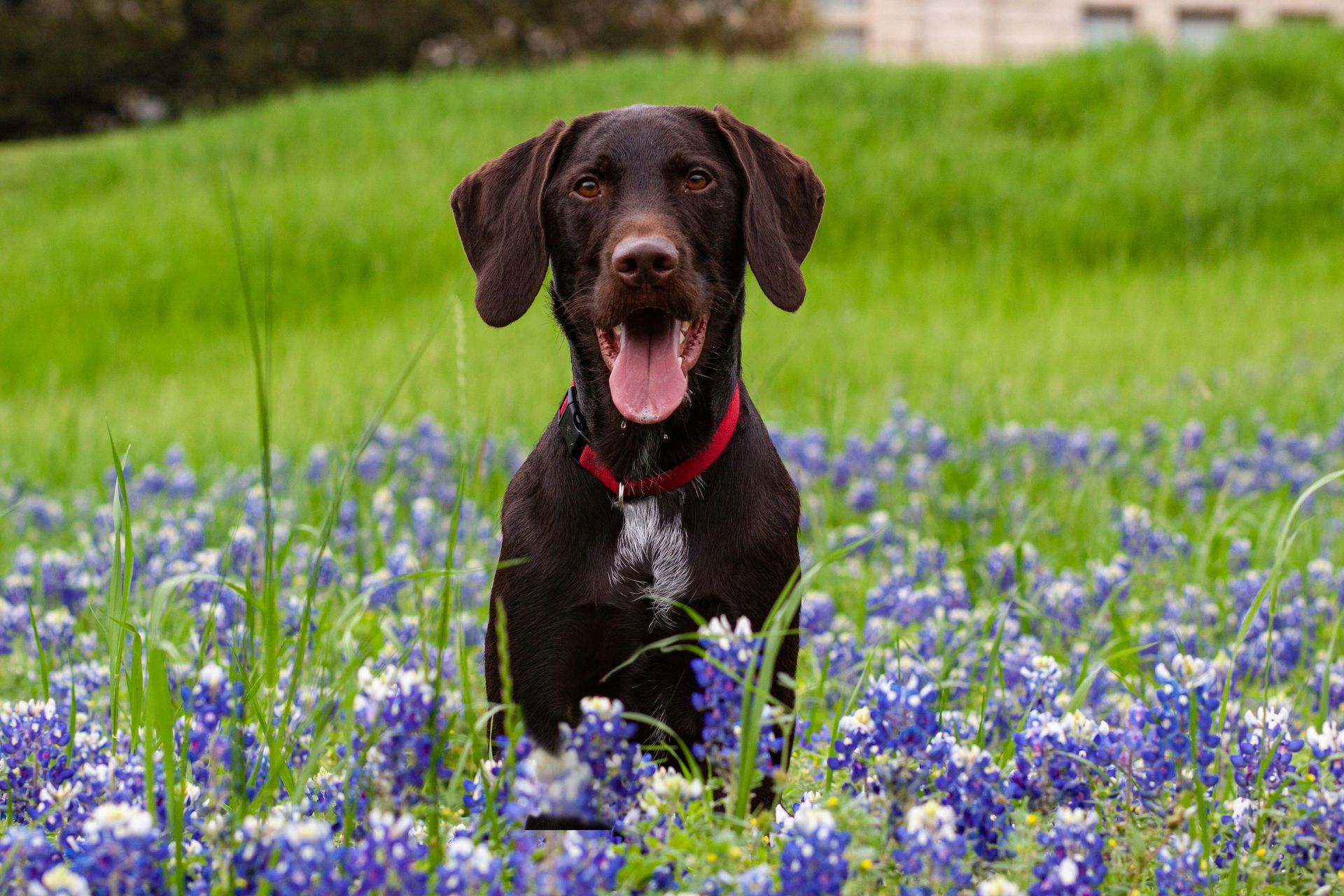
A dark brown German Shorthaired Pointer with a red collar sits in a field of bluebonnets with its tongue out.

Other blogs you might like...

By Jennifer Schillaci April 1, 2026
Everything we've learned from years of full-time travel, thousands of conversations, and countless "I wish I'd known this sooner" moments — finally organized into one place.
By Jennifer Schillaci March 30, 2026
Lone Star Ticks, Valley Fever, Pesticides & More — A Guide for Life on the Road
A vibrant golden sunrise illuminates a snow-covered landscape and frozen lake, framed by bare birch trees in the foreground.
By Jennifer Schillaci March 27, 2026
Still finishing winter lessons at the end of March? RV roadschoolers aren’t behind. Here’s why many full‑time families wrap up winter learning as spring begins.
A recreational vehicle drives along a curving road through a dry, grassy landscape toward distant snow-capped mountains.
By Jennifer Sansford March 26, 2026
Protect your family and your travels with smart legal planning for full‑time RV life. Learn the key steps to stay compliant, covered, and confident on the road.
By Jennifer Schillaci March 25, 2026
What Full-Time RVers Know About Spring Travel That Weekend Campers Might Not
A calico kitten with tabby markings rests its head on a white surface against a solid gold background.
By Jennifer Schillaci March 23, 2026
RVing with pets? From dogs and cats to ferrets, snakes, and birds — the honest guide to what works, what's legal, and how to handle emergency vet care in an RV
By Bob Harper March 20, 2026
"What started as a phone call with a club president turned into one of our best RV decisions"
Close-up of bright pink, spiked Celosia flowers blooming along a paved roadside with a blurred hilly landscape.
By Jennifer Schillaci March 19, 2026
Who spoke at the FRVA Ladies Luncheon in Perry Georgia 2026? Jennifer & Tasha from Learn to RV The Podcast shared community, connection & heart with the ladies
A long row of stacked, light-colored commercial laundry dryers with circular glass doors in a laundromat.
By Jennifer Schillaci March 18, 2026
Where do RVers wash their laundry? We break down every option — from onboard washers to laundromats & more — so you can find what works for your rig and lifestyle.
By Jennifer Schillaci March 17, 2026
How We Read More Now in the RV Than We Ever Did in a House
Show More