

RV Travel Health Threats You Might Not Know to Watch For: What's crawling, floating & lurking along your route?

Jennifer Schillaci • March 30, 2026

Lone Star Ticks, Valley Fever, Pesticides & More — A Guide for Life on the Road

This one is personal. Our friend Tasha's son David was bitten by a tick — and their life has changed in ways their family never anticipated. Not from a rash or a fever, but from something far less expected: profound, life-altering food allergies that came out of nowhere. When Tasha shares that story on this week's podcast, you'll hear the emotion behind it. This post is our way of making sure you're armed with everything you need to know before you hit the road.


A note before we dive in: We're RVers, not medical professionals. While this topic is deeply personal to us becasue we have seen firsthand what these things can do to people we care about but nothing here should replace the advice of your doctor. When in doubt, always consult a qualified healthcare provider.


As RVers, we love the freedom of waking up somewhere new. A forest in North Carolina. A desert campground in Arizona. A beach in Florida. But that freedom means we're constantly moving through different ecosystems — and with each new landscape comes a different set of health risks that most of us were never taught to look out for.


This isn't meant to scare you. It's meant to prepare you. Let's talk about the invisible threats hiding in some of America's most beautiful places.


The Lone Star Tick: More Than Just a Bug Bite

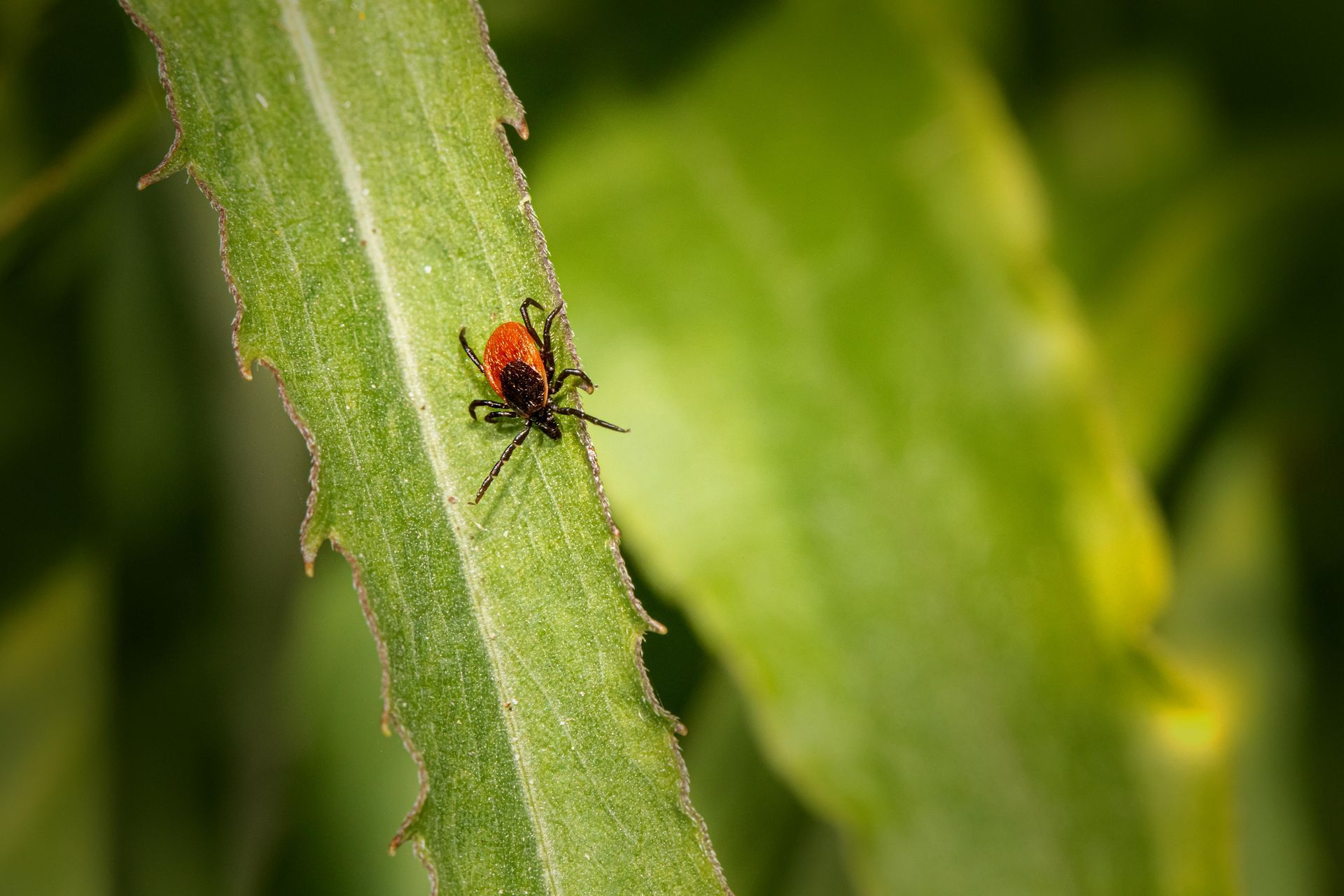
When most people think about tick bites, they think Lyme disease. And while Lyme is serious, the Lone Star tick (Amblyomma americanum) can do something far stranger — it can give you a red meat allergy for the rest of your life.


What is Alpha-gal Syndrome?

Alpha-gal syndrome (AGS) is an allergy to a sugar molecule called alpha-galactose (alpha-gal), found in red meat and other mammal-based products. When a Lone Star tick bites you, it injects this molecule into your bloodstream. Your immune system tags it as a threat — and from that point on, every time you eat beef, pork, lamb, or venison, your body can react.


The reactions range from hives and stomach pain to full anaphylaxis. And because symptoms show up hours after eating — not immediately — it's easy for both patients and doctors to miss the connection for months or even years.


⚠️ Alpha-gal syndrome is severely underdiagnosed. The CDC estimates hundreds of thousands of Americans may have it without knowing. If you've had unexplained allergic reactions after meals, ask your doctor specifically about alpha-gal testing.


Where is the Lone Star Tick Found?

Despite its name, the Lone Star tick isn't limited to Texas. It's found throughout the eastern, southeastern, and south-central United States — and its range is expanding northward. Peak season is spring through fall, but it can be active year-round in warmer climates.


As an RVer, you're at higher risk simply because you're outdoors more — camping in wooded and grassy areas, hiking trails, and sitting around firepits in exactly the habitat these ticks love.


Other Ticks to Know on the Road

  • Black-legged tick (deer tick) — Primarily Northeast and upper Midwest. Transmits Lyme disease, anaplasmosis, and babesiosis.
  • American dog tick — Found across most of the US. Can transmit Rocky Mountain spotted fever.
  • Rocky Mountain wood tick — Despite its name, more common in the Pacific Northwest. Also transmits Rocky Mountain spotted fever.
  • Western blacklegged tick — Pacific Coast. Can also transmit Lyme disease.


Tick Prevention for RVers

  • Treat clothing and gear with permethrin before trips — it's odorless once dry and lasts through multiple washes.
  • Use EPA-registered repellents containing DEET, picaridin, or oil of lemon eucalyptus on exposed skin.
  • Do a full-body tick check every single day when you've been outside — behind the knees, armpits, scalp, and groin.
  • Check your pets. Ticks hitch rides inside on dogs and cats constantly.
  • Shower within two hours of coming indoors — this significantly reduces risk of tick-borne illness.
  • Toss clothes in a hot dryer for 10 minutes when you come in. Heat kills ticks.


If you find a tick: use fine-tipped tweezers to grasp it as close to the skin as possible and pull upward with steady, even pressure. Don't twist, don't coat it with petroleum jelly, don't use a lit match. Clean the area with rubbing alcohol.


 Keep a tick removal kit in your RV first aid bag — fine-tipped tweezers, alcohol wipes, and a small ziplock bag to save the tick in case you develop symptoms later and your doctor wants to identify the species.


Valley Fever: The Desert Illness RVers Rarely Know About

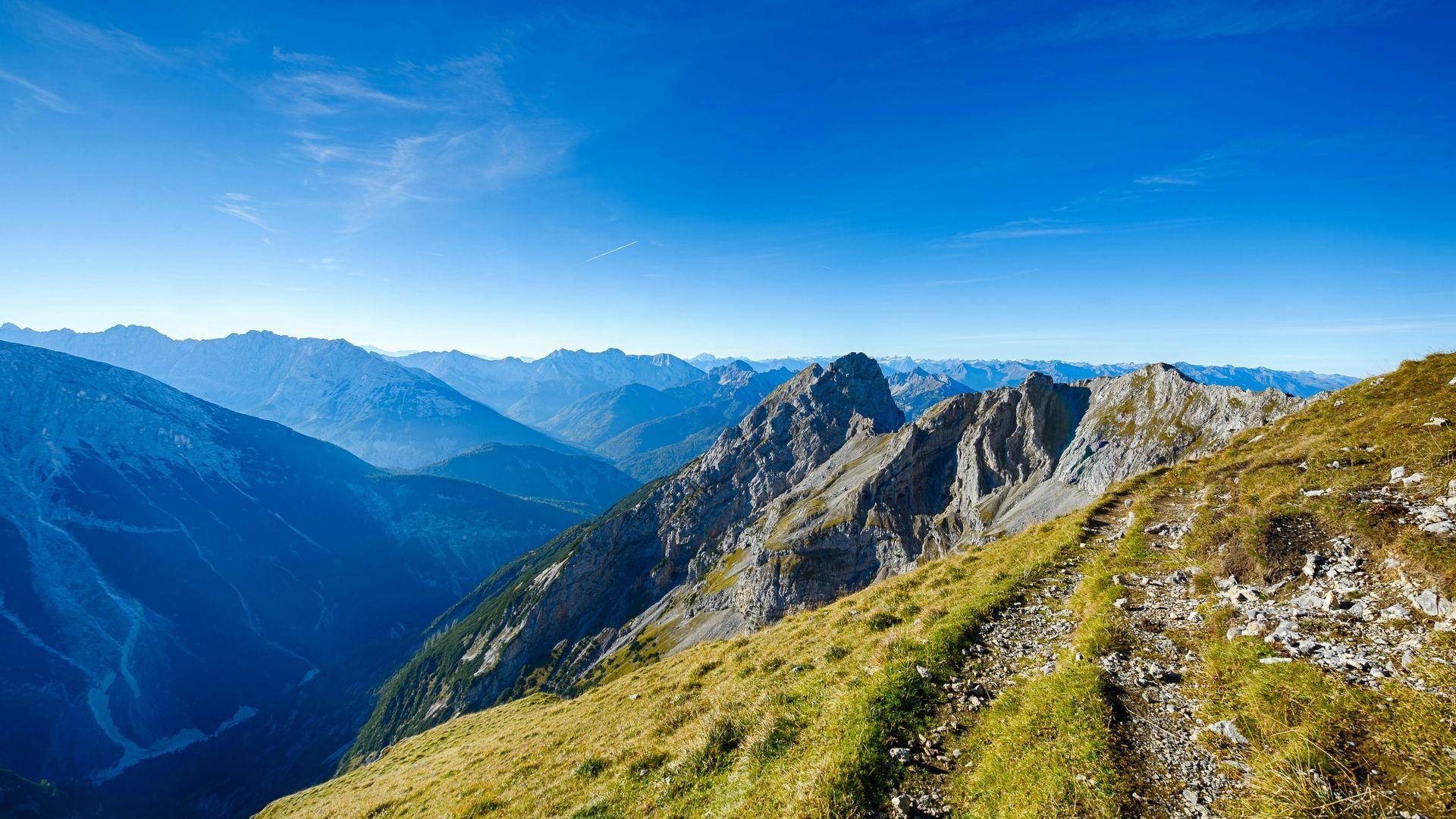
Valley fever (coccidioidomycosis) is caused by Coccidioides fungi that live in the soil across the desert Southwest — California's Central Valley, Arizona, Nevada, New Mexico, Utah, and parts of Texas. When the soil is disturbed by wind, construction, digging, or even just walking, fungal spores become airborne and can be inhaled.


Most people who inhale the spores experience mild symptoms or none at all. But for others, it progresses to a serious lung infection. In rare cases, it spreads beyond the lungs to the brain, bones, and skin — where it can be life-threatening.


Who's Most at Risk?

Anyone spending time in the desert Southwest can be exposed, but RVers are particularly vulnerable because we camp outside for extended periods — often in exactly the areas where spores are most concentrated. Construction sites, freshly graded campgrounds, dry creek beds, and dusty desert flats are high-risk zones.


Certain groups face more severe health complications, this includes people over 60, pregnant women, those with diabetes or weakened immune systems appear to be at higher risk of severe illness.


Symptoms to Watch For

Valley fever looks a lot like the flu or mild pneumonia: fatigue, cough, fever, chest pain, shortness of breath, headache, and rash. Symptoms appear one to three weeks after exposure. The tricky part? Most doctors outside the Southwest won't even think to test for it & you may have moved on to your next destination by the time you feel sick.


Tell your doctor where you've been. If you've camped in the desert Southwest and develop respiratory symptoms weeks later, that geographic history can be the difference between a quick diagnosis and months of misdiagnosis.


Reducing Your Risk

  • During high-wind days, stay inside your RV in dust-prone desert areas.
  • N95 masks genuinely help — especially during dusty activities like hiking or setting up camp in dry, sandy soil.
  • Avoid digging or disturbing soil in the desert Southwest unless necessary.
  • If you have a compromised immune system, talk to your doctor before spending extended time in high-risk areas.


Pesticide Exposure: The Risk Nobody Talks About

Here's one most RVers never think about: that campsite that looks lush, manicured, and beautiful? It may have been recently treated with pesticides or herbicides. Private campgrounds, state parks, and even public lands sometimes spray for mosquitoes, weeds, or invasive insects & if you're setting up your outdoor living space on that ground, you and your family can be exposed.


Children playing on the grass, dogs rolling around, bare feet on treated ground & all of these are real exposure pathways. And unlike a bug bite, pesticide exposure is invisible.

We'll be honest, this one took us years to piece together ourselves. One winter we were parked in Yuma, Arizona, surrounded by row after row of lettuce fields. (Yes, they really do grow lettuce in the desert — Yuma produces a huge portion of the country's winter lettuce crop.)


Our whole family came down with what felt like the flu. Fatigue, headaches, that general "off" feeling. We chalked it up to a bug going around. Then, a couple of years later, we experienced almost the exact same thing parked near cornfields in Kansas. It wasn't until much later that we started connecting the dots... both times, we were camped right alongside actively farmed land during growing season. Pesticide drift was almost certainly part of what hit us. The scary part? We never would have thought to mention it to a doctor, and no doctor would have thought to ask.


Campgrounds are often situated in rural areas — and rural areas mean farmland. It's one of the things that makes those settings so beautiful and peaceful, but it also means you can be downwind of crop spraying without ever knowing it. Agricultural pesticide applications happen early in the morning or at dusk to reduce wind drift, but drift happens regardless & it doesn't take much exposure to make sensitive people, kids, or pets feel genuinely unwell.


Signs to Watch For at a Campsite

  • Suspiciously weed-free or overly manicured lawns
  • Yellow-tipped or patchy brown grass in otherwise green areas — often a sign of recent herbicide application
  • Posted signs about recent chemical treatment (check near bathhouses and camp entrances)
  • Nearby agricultural land — spray drift can travel significant distances
  • Golf course-adjacent camping: heavily treated turf year-round


Practical Steps

  • Ask the campground office if and when the site has been recently treated.
  • Avoid letting pets and kids roll around on unfamiliar grass.
  • Wash hands and feet thoroughly after outdoor activities.
  • Consider a shoe-removal policy at your RV door.
  • If you notice a chemical smell at your site, request a different location — you're entitled to ask.
  • In places like Florida or where the bug population seems out of control, you may actually see pesticide trucks come into the campground to spray, especially for mosquitoes. If that happens, head indoors immediately, close your windows, and shut your RV vents until the truck has passed and the air has cleared. It sounds obvious in the moment, but a lot of people just sit outside and watch it go by without thinking twice.


More Hidden Hazards on the Road


Waterborne Illness: Don't Trust Every Tap

Not all campground water is created equal. Older facilities, rural water systems, and some private campgrounds may have water quality issues — from bacterial contamination to lead pipes. Many full-timers use a dedicated inline water filter on their fresh water intake as standard practice. Also be cautious about swallowing water from lakes and slow-moving water — Giardia and Cryptosporidium are common and can cause prolonged gastrointestinal illness. A good Water Filter System is critial for your RV (LINK TO BLU WATER POST)


Blue-Green Algae: A Freshwater Danger

Harmful algal blooms are increasing across the US in lakes, ponds, and slow-moving rivers. Blue-green algae (technically a bacteria called cyanobacteria) can produce toxins that are dangerous to humans and pets. They appear as green, blue-green, or reddish scum floating on still water, often with a foul smell. If a lake looks off or has posted warnings, stay out — and keep your dogs out especially. Dogs are extremely vulnerable and can become critically ill within hours of significant exposure. When in doubt, find a different swimming hole.


Red Tide: Not the Same Thing & RVers Need to Know the Difference

Red tide is often confused with blue-green algae, but they are completely different. Red tide is a saltwater phenomenon caused by a microscopic organism called Karenia brevis that blooms along coastal waters — most famously on Florida's Gulf Coast. And here's what makes it uniquely dangerous for RVers: you don't have to touch the water to be affected. Red tide produces airborne toxins that travel on the breeze, and simply being on or near the beach during a bloom can cause coughing, itchy, burning eyes, and serious respiratory irritation.


Heat and Heat Stroke

Heat illness is genuinely dangerous and happens fast in an RV context — especially while setting up camp or when your cooling system is struggling. Know the difference: heat exhaustion brings heavy sweating, weakness, and nausea. Heat stroke means a high body temperature, hot dry skin, and possible confusion. Heat stroke is a medical emergency requiring immediate action.


Altitude Sickness

If you're heading to Colorado, Utah, or New Mexico, altitude sickness can sneak up quickly — especially when you've driven up fast from sea level. Headache, nausea, fatigue, and shortness of breath are the hallmarks. Ascend gradually when possible, stay hydrated, and avoid heavy exertion your first day or two. If someone develops confusion or can't walk straight, descend immediately.


Hantavirus

Rare but serious, hantavirus is transmitted by breathing dust contaminated with rodent urine, droppings, or nesting material. If cleaning out an RV storage area that may have had rodents, wet the area with diluted bleach before disturbing anything, wear gloves, and use an N95 mask. Never dry sweep or vacuum rodent debris.


 What to Add to Your RV Health Kit

  • Fine-tipped tweezers and a tick removal card
  • EPA-registered insect repellent (DEET or picaridin)
  • Permethrin spray for clothing and gear
  • N95 masks for dusty and high-risk environments
  • Diphenhydramine (Benadryl) for allergic reactions
  • Prescribed epinephrine auto-injector (EpiPen) if anyone has known severe allergies
  • Inline water filter for city water hookups
  • Electrolyte packets for heat and illness
  • A good thermometer
  • Medical summary card for each person: conditions, allergies, current medications


If you remember this ....

The road is beautiful. The freedom of RV life is real. None of this is meant to keep you inside or make you anxious about every campsite.


But awareness is the most powerful tool you have — and the RV community has been a little slow to talk about these risks.


Tasha and David's story is a reminder that a single moment outdoors can change things. Not because the outdoors is dangerous, but because we can love it better when we're prepared for what's in it.


🎙 Don't forget to tune in to this week's Learn to RV podcast to hear Tasha share their story in her own words — including what life with alpha-gal syndrome actually looks like today, and the message she wants every RVer to hear.


Other blogs you might like...

A vibrant golden sunrise illuminates a snow-covered landscape and frozen lake, framed by bare birch trees in the foreground.
By Jennifer Schillaci March 27, 2026
Still finishing winter lessons at the end of March? RV roadschoolers aren’t behind. Here’s why many full‑time families wrap up winter learning as spring begins.
A recreational vehicle drives along a curving road through a dry, grassy landscape toward distant snow-capped mountains.
By Jennifer Sansford March 26, 2026
Protect your family and your travels with smart legal planning for full‑time RV life. Learn the key steps to stay compliant, covered, and confident on the road.
By Jennifer Schillaci March 25, 2026
What Full-Time RVers Know About Spring Travel That Weekend Campers Might Not
A calico kitten with tabby markings rests its head on a white surface against a solid gold background.
By Jennifer Schillaci March 23, 2026
RVing with pets? From dogs and cats to ferrets, snakes, and birds — the honest guide to what works, what's legal, and how to handle emergency vet care in an RV
By Bob Harper March 20, 2026
"What started as a phone call with a club president turned into one of our best RV decisions"
Close-up of bright pink, spiked Celosia flowers blooming along a paved roadside with a blurred hilly landscape.
By Jennifer Schillaci March 19, 2026
Who spoke at the FRVA Ladies Luncheon in Perry Georgia 2026? Jennifer & Tasha from Learn to RV The Podcast shared community, connection & heart with the ladies
A long row of stacked, light-colored commercial laundry dryers with circular glass doors in a laundromat.
By Jennifer Schillaci March 18, 2026
Where do RVers wash their laundry? We break down every option — from onboard washers to laundromats & more — so you can find what works for your rig and lifestyle.
By Jennifer Schillaci March 17, 2026
How We Read More Now in the RV Than We Ever Did in a House
Yellow school bus with side mirrors and signal lights against a cloudy sky.
By Ashley Wright March 13, 2026
Can a skoolie survive winter? Ashley Wright of Gypsy Gameschooler shares real tips, lessons, and what full-time skoolie life looks like when temps drop.
Gravel path winding through a lush green forest, sunlight dappling the ground and trees.
By Jennifer Schillaci March 12, 2026
Thousand Trails looks different than it did a few years ago. Learn to RV shares what has changed, what it means for your membership, and how to make the most of it.
Show More