
Camping with Confidence: How to Stay Safe on the Road

Jennifer Schillaci • July 23, 2025

Safety for You & Your Crew

After 13+ years of full-time RV living, I can tell you that campground safety isn't about being paranoid — it's about being prepared. There's a difference. Paranoid people don't leave the driveway. Prepared people leave confidently, and they sleep well when they get there. Here's how we think about it.

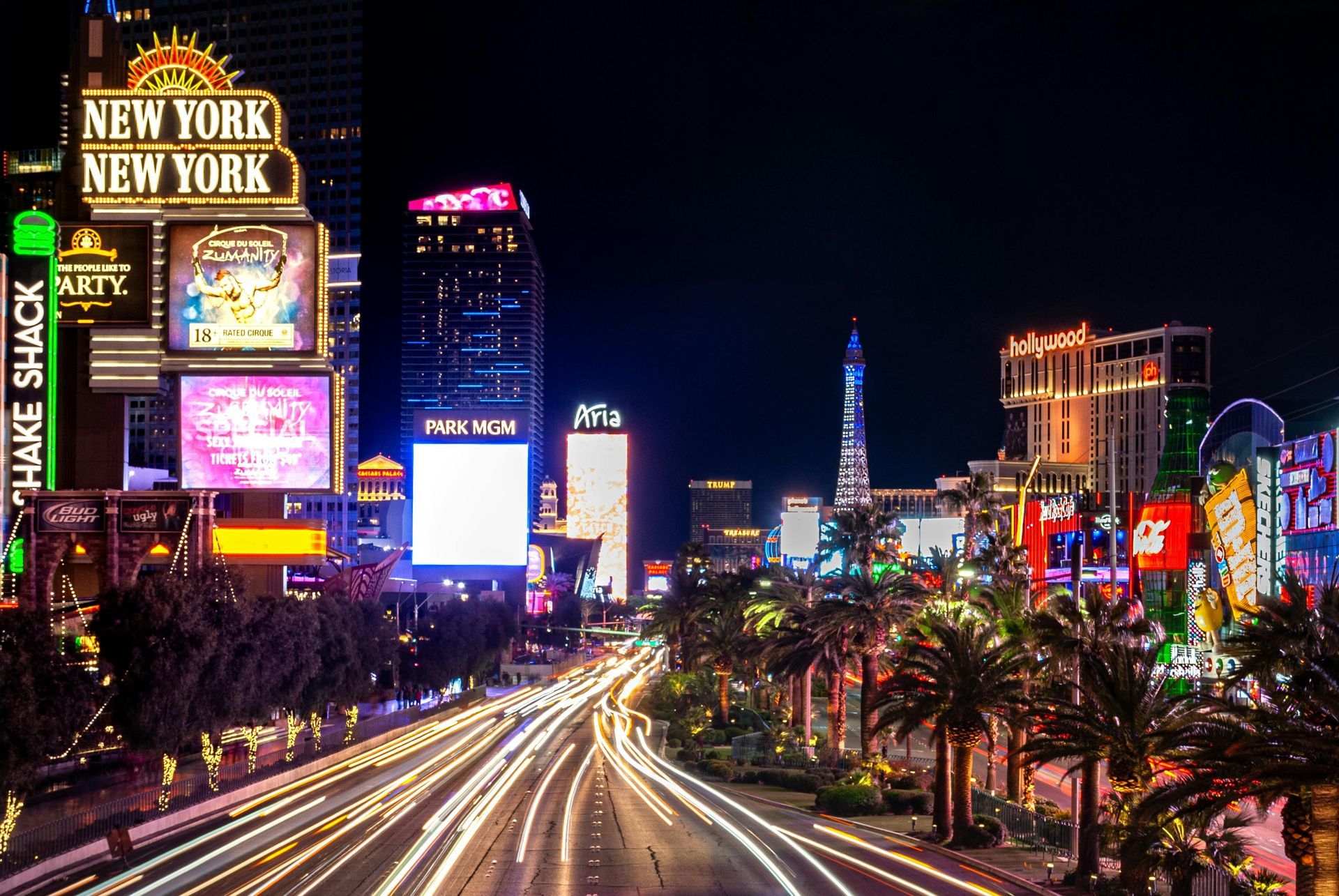
Neon-lit Las Vegas Strip at night with traffic light trails and the Eiffel Tower in the distance

The best time to think about campground safety is before you make a reservation — not when you're already pulling in after a 300-mile travel day with tired kids and two frantic frugs.


Apps like Arvee, Campendium, AllStays, and iOverlander are goldmines for honest, real-world reviews — and RVers do not hold back. If a campground has issues, somebody has already written about it in detail. We're a community that looks out for each other that way.


If your browser has AI built in, you can ask a straight question and get surprisingly useful intel. Try something like "How safe is Thousand Trails Las Vegas?" — and you'll get a nuanced picture pretty quickly. The neighborhood surrounding that campground isn't great, but there is 24-hour security at the gate. Reviewers note that security is present with 24/7 gate monitoring — but enforcement can feel lax. Gated doesn't always mean worry-free.


Maybe you're thinking Arizona Charlie's down the road on Boulder Highway is a safer bet since you're paying for it outright. The reviews are genuinely mixed there too. Some campers report never once feeling in danger despite being in a less favorable area of Las Vegas. Others tell a very different story — one camper arrived at 5pm and had an electric bike stolen overnight, despite the security gate. Armed guards do go through the park on a regular basis, but the surrounding neighborhood has a reputation for crime and heavy emergency traffic.


The takeaway isn't "avoid Las Vegas" — it's that gated and safe aren't always the same thing, and no single campground type has a monopoly on security. A well-reviewed state park or a trusted Thousand Trails location in a quieter region might give you far better peace of mind than a city park with a guardhouse.


One habit we've built: always have a first and second choice picked before we pull out. That way if something feels off when we arrive, we already know where we're going next.

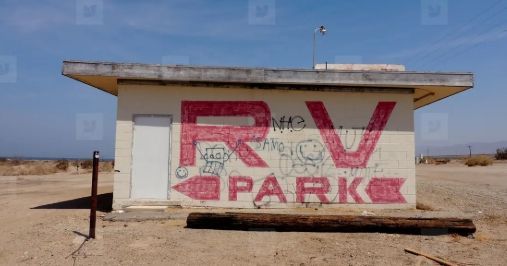
Small desert building with faded red “RV PARK” graffiti on the front wall.

This one sounds simple, but it's worth saying out loud: if something feels off, move on.


If you've been on the road long enough, & we have — there will be moments when you're pulling into a campground and something just says not here.


Maybe it's the neighborhood. Maybe it's a neighbor. Maybe you can't even name it. It doesn't matter. Your home has wheels for a reason.


We've learned to trust that instinct without guilt or second-guessing.

No reservation is worth overriding your gut.


  • Gated ≠ safe
  • Pay-to-stay ≠ safer than membership
  • Both parks sit in one of the rougher parts of Las Vegas
  • Neither is a bad choice if you know what you're getting into 
  • they may be a bad surprise if you didn't research first


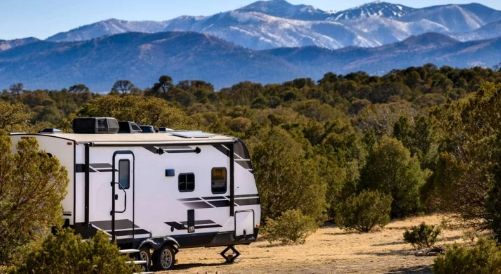
White camper trailer parked in a wooded campsite with mountains in the background

Park Strategically

Where you position yourself matters more than most people realize.


Don't camp right next to the road. A little buffer goes a long way. Buddy up — camping near other RVers creates a natural layer of mutual awareness, and if everyone's heading out for a hike, consider leaving one person behind to keep an eye on things. Think about exits. When possible, choose a spot with more than one way out.


Now.... the "just drive away" strategy you'll hear about? It's real, and it's genuinely great if you're in a motorhome. Wake up, pull in the slide, start the engine, go. No stepping outside required. For a lot of full-timers, that's a real comfort.


We are not those people.


We're in a 42-foot fifth wheel with three kids, a dually, and a toy hauler that moonlights as a bedroom. Our grill, our tools & more lives back there on travel days. To do a quick overnight stop in a Walmart-style situation, we'd have to shuffle things into the truck cab first — and honestly, after a long travel day with kids, that's not always happening, we often use Passport America for a overnight near a highway plugged in.


Whatever your rig or your travel style, the principle is the same:

  • know your setup
  • know your timeline
  • think it through before you're tired and it's dark.
  •  A little mental rehearsal now means fewer scrambled decisions later.
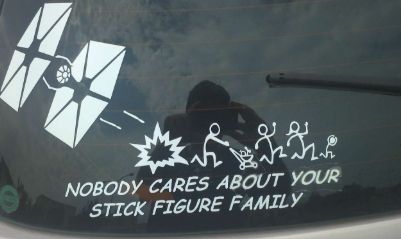
Dark car-window decal showing a TIE fighter, explosions, stick figures, and text: “Nobody cares about your stick figure family”

Watch What You Share on Social Media

This one is easy to overlook, especially when you're excited about a beautiful boondocking spot and the lighting is perfect and you just have to share it.


The simple rule: post after you've left, not while you're there. Broadcasting your exact location in real time is an open invitation you probably don't want to extend to the whole internet.


Also worth thinking about: the graphics and tags on the outside of your RV. Your YouTube channel, your social handles, your family brand — they tell people a lot about who you are, and sometimes about what you might be storing inside.


We're not saying don't do it. We're saying be intentional.


One option we love: put your channel tag on a sign you can choose to display at campgrounds you trust, and leave it packed away everywhere else.


One more thing while we're talking about what you're advertising without realizing it: those little stick figure family decals on the back of your rig. They're cute.


They tell a complete stranger exactly how many adults, how many kids, and sometimes even how many pets are inside. As a Marine Corps wife who spent plenty of time living with a deployed husband, I never put them on. 


The customized versions can be just as revealing in a different way — my kid does cheer, plays baseball, rides horses. Now a stranger knows your child's activity schedule, roughly what days you might not be at your rig, and potentially which venues your family frequents. It's not paranoia. It's just being thoughtful about what you're putting out there before you've even said a word.


Now with all that said....


there's one group you absolutely should share your location with: the people who love you.


A few years ago my kids installed Life360 on my phone.


I know. I know. The kids tracking mom. But honestly? I've made my peace with it — because it works both ways, and there's something genuinely reassuring about knowing that somebody always knows where we are. Whether you use Life360, a shared GPS app, or just a habit of texting your location to a trusted person when you land somewhere new, don't skip this step.


Being private with strangers & transparent with your people is the right balance.

Cameras: Peace of Mind You Can Review Later

Dashcams are a baseline we'd recommend to anyone & on the road, they're just smart.


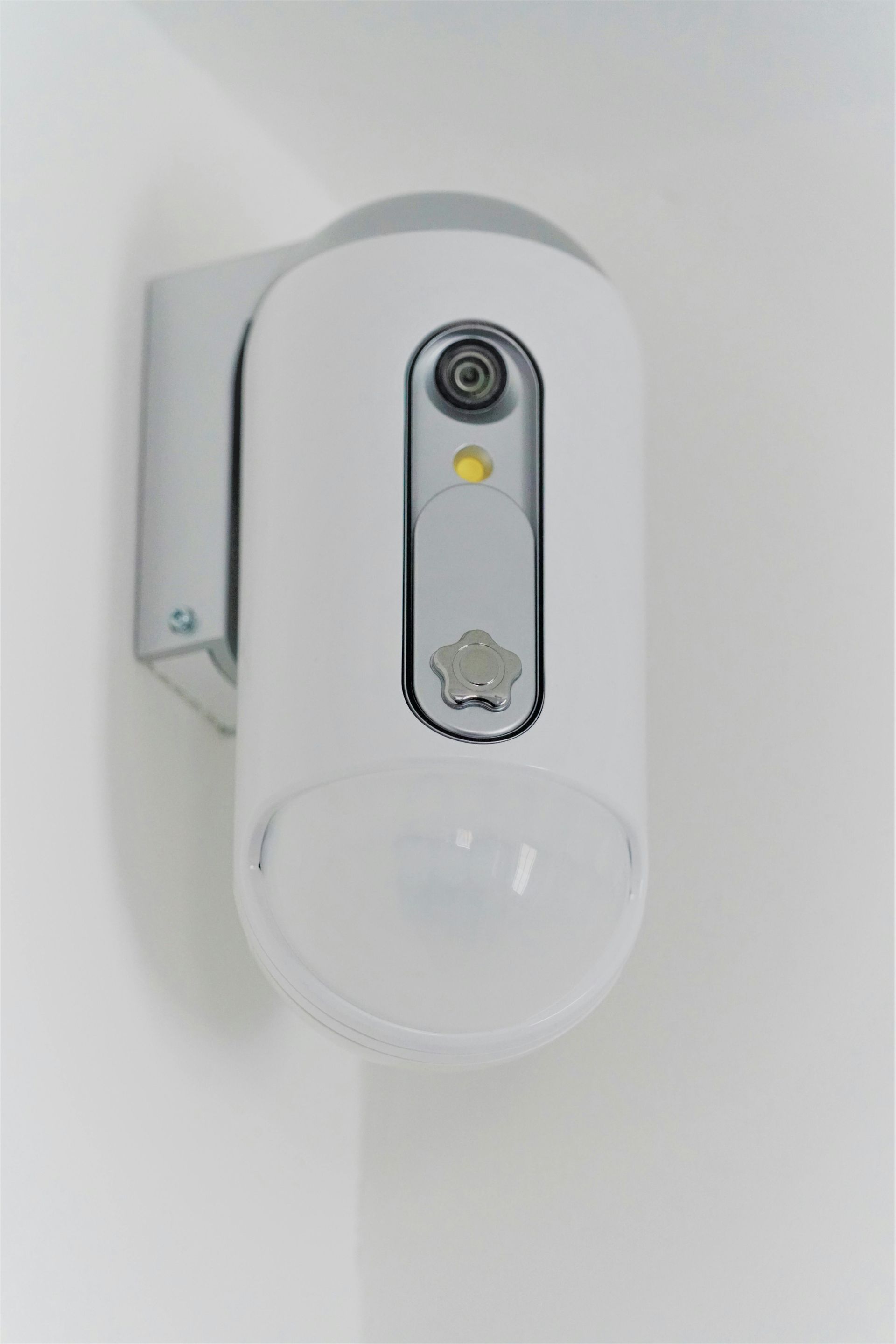
For campsite security, security cameras you can point out of windows are simple, quiet, and more effective than most people realize. You don't really even need a sophisticated setup to get value out of them.


A basic camera with local storage creates a deterrent, gives you documentation if something does happen, and honestly — just helps you breathe easier.


If you want to go a step or two further, a multi-camera system that records continuously is worth considering, especially for full-timers. Motion detection sounds great in theory, but at a busy campground it'll have your phone buzzing all night.


Continuous recording and checking footage only when something prompts you to is a more practical approach.


Beyond cameras, there are several physical deterrents worth having in your security toolkit depending on your rig:

  • Steering wheel locks — A visible deterrent for motorhomes and tow vehicles. Old school, but they work.
  • Hitch locks — A must for travel trailers. Drive-away theft is real and a hitch lock is cheap insurance.
  • Wheel locks or chocks with locks — Adds another obstacle and another layer of time a thief doesn't want to spend.
  • Fifth wheel pin locks — Secures the kingpin so your hitch can't be accessed or tampered with while you're parked.


The goal with all of it isn't to make your rig impenetrable — it's to make it the least appealing target in the lot.


White wall-mounted security camera with a dome lens and status light.

Have an Emergency Exit Plan

Every family should talk through this before they need it — not during a crisis.


The basics: know where you're going if you have to leave fast, know who's responsible for what (kids, pets, hookups), and know how long it realistically takes you to be road-ready.


Practice it at least once so it's not chaos in the dark. Assign jobs. In our rig with three kids, everybody has a role — because when it matters, you don't want to be figuring that out on the fly.


Your rig is your home and your escape route. That's one of the genuine superpowers of this lifestyle — don't forget you have it.

Keep Personal Safety Tools Accessible

This is a personal decision, and we're not here to tell you what's right for your family — but we will tell you what we do and what to think through.


We keep bear spray just inside the door of our truck. It needs to be available and within reach without having to think about it if you are in bear country. If you are hiking it should be in a holster to easily deploy, not in a backpack. 


Many things we have access to in the US are not legal in Canada or Mexico, so if you're crossing borders, research that ahead of time.


Everyone in your RV who might need to use these should know how to use them. And everyone who shouldn't touch them, kids especially,  need to know that too.

For children, a whistle is a more appropriate and surprisingly effective tool.


Some RVers carry stun guns or firearms. Both come with important caveats:

  • Stun guns vary widely in legality by state — check before you carry.
  • Firearms require training, proper permitting, and safe storage. You'll find plenty of YouTube content insisting a defensive firearm must be immediately accessible and ready to fire — and there's truth to that in a genuine emergency. But you have to weigh that against the reality of whether a child or another adult in your rig has those same unsupervised seconds. That's not a hypothetical. It's a real calculation every family has to make honestly.


Keep Important Documents Handy

IDs, insurance, registration, emergency contacts — keep them all together in one waterproof, fire-resistant bag that lives somewhere you can grab it without thinking. Not buried. Not "somewhere in the office slide."


Right there, easy to find while you're rushing out the door.


This one costs almost nothing to set up and it's the kind of thing you will be so glad you did if you ever actually need it.


Safety isn't about fear. It's about freedom — the freedom to explore confidently, knowing you've done the homework and you've got a plan. That's what lets you actually enjoy where you are.

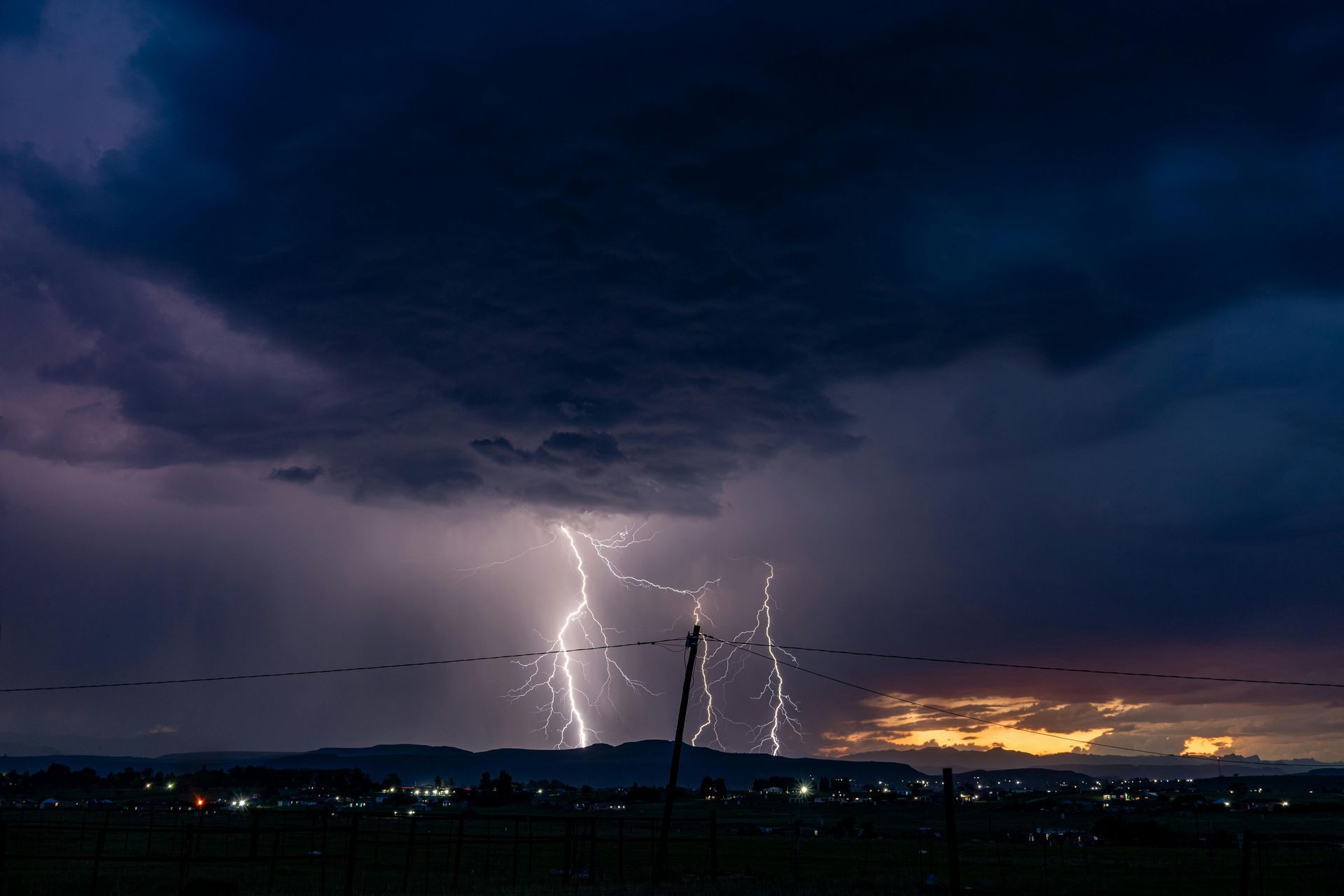
Lightning bolts over a dark stormy landscape at dusk, with distant city lights and a glowing horizon

Weather, Storms, and Flash Floods

This one hits close to home for a lot of us in the RV community — and recent news has reminded us all that it's not something to take lightly.


Here's the setup I recommend: a dedicated weather radio, a general weather app, and a radar app on your phone. All three.


The reason you need all three is simple — your apps are only as good as your cell signal. When a cell tower is down or you're somewhere without service, your weather radio becomes your lifeline. Most of the time you can count on app warnings. But not always. Recent events have made that painfully clear.


Checking the weather once a day — not just when you think a storm might be coming — goes a long way toward keeping you ahead of what's moving in.


Flash floods deserve their own conversation. They're rare, but they can be catastrophic, and they don't always look like what you'd expect. It can be completely dry where you're camped while a slow-moving storm is dumping rain upriver, and that water is coming your way whether you see clouds or not.


Before you book, you can look up any campground address on the FEMA Flood Map Service Center. It takes a little reading to interpret, but the short version is this: if your campground falls in a zone with the letter A or V (AE, VE, etc.), it's considered a high-risk Special Flood Hazard Area with a 1% or greater annual chance of flooding. One percent doesn't sound like much — until you consider that Camp Mystic was in exactly that kind of zone.


We're not saying never camp in those areas. We have.


But if you do, pay close attention to the weather, know your escape routes, and keep that weather radio within reach.


Learn your radar app — really learn it. Forecasts tell you what's likely. Radar tells you what's coming, how fast, and how big. With a good radar app you can see wind speeds, hail size, storm movement, and have enough lead time to pull in your awnings, put away everything loose outside, and maybe reposition your tow vehicle somewhere covered. We've rerouted our travel entirely to go around a serious storm line — it's not dramatic, it's just smart.


When storms are approaching, ask yourself a few quick questions:

  • Do the trees around your rig look healthy?
  • Should you be somewhere else tonight?
  • Where is the nearest storm shelter if there's a tornado warning?


These aren't panic questions — they're planning questions. Services like RVweather.com can help you route around serious weather before you're already in it. Knowledge is what gives you options.


911 on the Road: What You Need to Know

This is one of those things nobody explains until you actually need it, so let's talk about it now.


Yes, 911 can pick up your location from a mobile phone. But there are real challenges, and in an emergency you need to understand them.

  • Cell tower connection — If you're connected to a cell tower, your GPS coordinates may be passed to 911 depending on your phone. If GPS isn't available, towers attempt to triangulate your position, which can be off by a thousand feet or more.
  • WiFi calling — If your phone is routing through WiFi, 911 receives whatever address you entered into your E911 database. If you haven't updated it since you left home, it's showing your home address — not where you actually are.
  • Boondocking or rural areas — There's no reliable automatic location data. You need to be prepared to describe your location as specifically as possible: road names, mile markers, landmarks, anything that helps.


One practical tip: open Google Maps, tap your current location, scroll down to coordinates, hold to copy, and text those coordinates directly to 911.


It's not a guarantee, but it's a concrete data point in a moment when every second counts.


Emergency Medical Evacuation: Don't Overlook This One

Traditional health insurance covers a lot — but it doesn't cover everything that can go wrong on the road, especially when time is critical.


Memberships through organizations like MASA or SkyMed exist specifically for those moments — medical evacuations, emergency transport, getting you to the right facility when you're far from home and the clock is ticking. The Family RV Association offers travel assist as well, which provides a helpful safety net, but it's a different category of coverage than what MASA and SkyMed provide.


It can feel like an extra expense on the front end. But if you ever need it, you will not spend one second wishing you hadn't paid for it


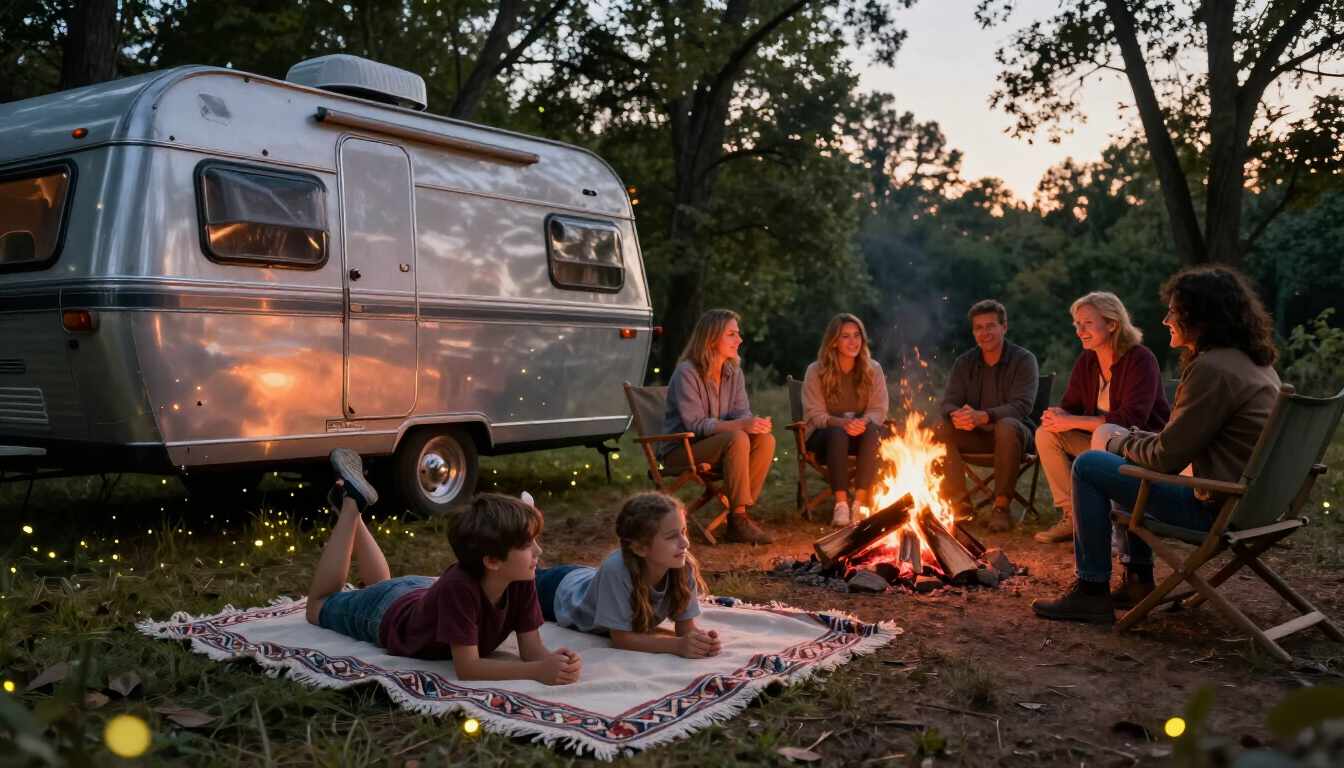
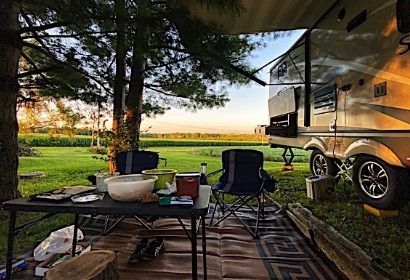
Camping table and chairs beside an RV under trees, with a grassy field and sunset in the background

The RV life is one of the most freeing ways to live & we want you to actually feel that freedom, not spend your travels anxious and looking over your shoulder.


None of what we've covered here is meant to scare you. It's meant to equip you.


There's a world of difference between fear and preparedness, and once you've done the homework — checked the campground, mapped the flood zone, tested the exit plan, grabbed the weather radio — you can pull into almost anywhere and actually exhale.


That's the goal. Not a perfect plan for every scenario, but enough confidence to handle what comes. You chose a life on wheels for a reason. Go live it.

Other blogs you might like...

Close-up of a red and gray flexible hose attached to machinery, with a blue gloved hand holding it.
By Betty Grant - RV Pocket Tech May 8, 2026
Hook up right and avoid the most common RV water and sewer mistakes. Betty Grand of RV Pocket Tech shares simple tips every camper needs before their next site.
Brown bear walking through green grass and dirt in a natural outdoor setting
By Jennifer Schillaci May 7, 2026
Bear spray isn't bug spray. Bells may not work. And the park isn't even full yet. 72 Bears lost in 2025. What every camper must know about bear safety in Yellowstone
Sunset over a grassy field, with orange clouds and sun rays spreading across the horizon
By Jennifer Schillaci May 6, 2026
RV weather hits different when you live on the road. Get real talk on driving in bad conditions, Dave Titley's top tools, what experienced RVers actually need to do.
Hands holding a turquoise booklet with a printed form on a black couch
By Jennifer Schillaci May 5, 2026
Full-time, seasonal, or recreational RVer — your insurance category matters more than you think. Learn each policy type, coverage and why a mismatch can cost you
Online shop page showing four graphic T-shirts in olive, olive, blue, and teal on a white background
By Jennifer Schillaci May 4, 2026
The Learn to RV Store is launching soon! See what Steve Gallaher of Campfires and Motors created — and find out how to design for us. Sign up today to get informed
Mountain stream flowing through dense evergreen forest under a cloudy sky
By Jennifer Schillaci April 29, 2026
Three generations. 65 years. One Oregon shop RVers drive hundreds of miles to visit. Tommy Henderson tells us why — and what your rig is likely missing out on
By Jennifer Schillaci April 27, 2026
What's Under Your Rig Matters More Than You Think. This week on Learn to RV the Podcast — we're going under the rig. And you're not going to want to miss it.
Four people posing in front of a white RV, smiling and holding up flexed arms
By Jeff & Monica Grant - Dean & Gertie Explore the World April 24, 2026
Thinking about RV life with kids? Learn how to get them excited, handle school, stay connected, and build a successful full-time travel lifestyle.
By Jennifer Schillaci April 23, 2026
If you've been RVing for more than five minutes, you've heard the word "rally." Maybe you've scrolled past one on Facebook, or seen a campground packed with matching rigs and wondered what was going on. But if you've never been to one — or never thought you belonged at one — this one is for you. We sat down with Don Florczyk, the force behind The Flock RV Rally Company , for our Community Spotlight series on Learn to RV The Podcast. We're not going to spoil it here — you need to go listen, because this conversation goes places we did not expect. What we can do is give you the lay of the land: what rally culture is really about, whether you need to own a specific brand to show up, and where The Flock is headed in 2026 and 2027. Grab your camp chair. Let's talk about it.
Blue banner reading “Anchored in Freedom” over a lake and evergreen forest with mountains.
By Jennifer Schillaci April 22, 2026
RV Entrepreneur Summit: Build a Mobile Business That Actually Works on the road | Learn to RV Anchored in Freedom with Kimberly Henrie & Living the Good Life Podcast
Show More