Walmart Overnight Parking & Beyond: Complete Etiquette Guide for RVers
aggio • November 7, 2025
Parking Lot Camping: Quick Reference Guide
- Always call ahead the day of - Apps aren't guarantees. Get permission directly.
- Have a backup plan - Know your Plan B location before you leave.
- Arrive late (7-9 PM), leave early (7-8 AM) - Be invisible and respectful.
- Park away from building entrances - Give customers easy access.
- Minimal setup only - No awnings, no chairs, no outdoor camping gear.
- Slides only if necessary - And only if you can park where they overhang grass/curb.
- Generator quiet hours: OFF 10 PM - 7 AM - No exceptions.
- NEVER dump tanks - This is illegal and ruins it for everyone.
- Support the business - Shop, eat, or buy something to show appreciation.
- Leave no trace - Pick up trash and depart quietly in the morning.
Bottom Line: You're a guest, not a camper. Follow these rules or risk losing this privilege for everyone.
Let's Dive Deeper!
It's 11:30 PM. You're sound asleep in the Walmart parking lot after a long day of driving. Suddenly, there's a sharp knock on your RV door. You stumble out of bed, heart pounding, to find a police officer or security guard standing outside.
"You can't park here overnight. You need to move. Now."
You're groggy, confused, and now scrambling to pack up and find somewhere else to go in the middle of the night. Your kids are awake and cranky. Your spouse is frustrated. And you're thinking, "But I've stayed at Walmarts before! What happened?"
Welcome to the world of parking lot camping—where the rules aren't always clear, etiquette matters more than you think, and one bad experience can ruin it for every RVer who comes after you.
Parking lot camping (or "boondocking" in commercial lots) is a lifesaver for RVers. It's free, convenient, and allows you to break up long travel days without the hassle of setting up at a campground for just one night. But it's also a privilege, not a right—and it's disappearing fast in many places because too many RVers have treated parking lots like campgrounds.
If you want to keep this option available, you need to know the unspoken rules. This isn't just about where you can park—it's about HOW you park, what you can and can't do, and why respecting businesses and communities matters.
Let's break down everything you need to know about parking lot etiquette so you can stay the night without getting kicked out, banned, or making life harder for the next RVer.

Before You Arrive - Do Your Homework
The biggest mistake RVers make with parking lot camping? Assuming it's okay without doing any research. Just because you've stayed somewhere before doesn't mean the rules haven't changed. And just because an app says it's allowed doesn't mean it's actually true.
Here's what you need to do BEFORE you pull into any parking lot:
1. Research the Specific Location
Not all Walmarts allow overnight parking. Not all Cracker Barrels welcome RVers. Corporate policy might say yes, but local ordinances, city laws, or individual store managers can override that.
What to check:
- City ordinances - Some cities have banned overnight RV parking in commercial lots entirely
- Store-specific policies - Individual locations can opt out even if the chain generally allows it
- Recent reviews or reports - Check if other RVers have stayed there recently
2. Use Apps as a Starting Point, NOT a Guarantee
Apps like AllStays, iOverlander, Campendium, and RV Parky are helpful for finding potential overnight spots. Other RVers share their experiences, and you can see where people have successfully stayed.
But here's the critical part: these apps are NOT guarantees.
- Information can be outdated (a location that allowed RVs last year might have changed policy)
- One person's positive experience doesn't mean you'll have the same
- Policies can change overnight based on complaints, local laws, or new management
Use apps to build a list of potential spots, but ALWAYS verify before you go.
3. ALWAYS Call Ahead the Day You Plan to Stay
This is non-negotiable. Even if you've stayed at this exact location before. Even if the app says it's fine. Even if you're 100% sure it's allowed.
Call the specific store/location and ask:
- "Hi, I'm traveling in an RV and wondering if overnight parking is allowed in your parking lot tonight?"
- Ask if they have a preferred area for RVs to park - Many stores have specific spots they'd rather you use (back of the lot, away from entrances, etc.)
- Be polite, be brief, and respect whatever answer they give you
If you can't get approval over the phone (no answer, unclear response, or you just want to be extra sure):
- Go inside and speak to a manager in person once you arrive
- Introduce yourself politely: "Hi, I called earlier about parking overnight in my RV. Is that still okay? And is there a preferred area you'd like me to park?"
- This face-to-face interaction shows respect and often results in more helpful guidance about where to park
Why calling (or asking in person) matters:
- Policies change constantly
- Managers change, and new managers may have different rules
- Local events, construction, or temporary restrictions might make parking unavailable
- It shows respect and gives the business a heads-up that you'll be there
- Asking about preferred parking spots demonstrates courtesy and often gets you better directions
Pro tip: Call the day of, ideally in the afternoon. Don't call a week in advance—policies can change, and managers may not remember the conversation.
4. Have a Backup Plan (Always)
Never assume your first choice will work out. ALWAYS have a Plan B (and ideally a Plan C) before you start driving.
Your backup plan should include:
- A second parking lot option nearby
- A paid campground or RV park within 30 minutes
- A rest area or truck stop (last resort) if absolutely necessary
Why this matters: Getting turned away at 10 PM with no backup plan means scrambling to find somewhere safe to park in the dark, in an unfamiliar area, with tired kids and frustrated spouses. Don't put yourself in that position.
Bottom Line:
Parking lot camping isn't a "pull in and hope for the best" situation. A little research, a quick phone call (or in-person chat with a manager), and asking about preferred parking spots will save you from midnight knocks, angry managers, and scrambling for somewhere else to stay.
Do your homework. Make the call. Ask politely where they'd prefer you park. Have a Plan B. And you'll be set up for a smooth, stress-free overnight stop.
Choosing Your Spot & Arriving
You've done your research, made the call, and gotten approval. Now where you park and how you arrive matters just as much.
Timing: Arrive Late, Leave Early
Arrive: 7-9 PM after dinner rush when parking lots are less crowded.
Leave: 7-8 AM before morning shoppers arrive.
You're minimally disruptive, respectful of business operations, and far less likely to get complaints.
Check for Posted Signs
Even after getting approval, look for signs when you pull in:
- "No Overnight Parking"
- "No RV Parking"
- "Tow-Away Zone"
- "Fire Lane"
If you see these, go inside and clarify with a manager or move to your backup location. Better safe than towed.
Where to Park
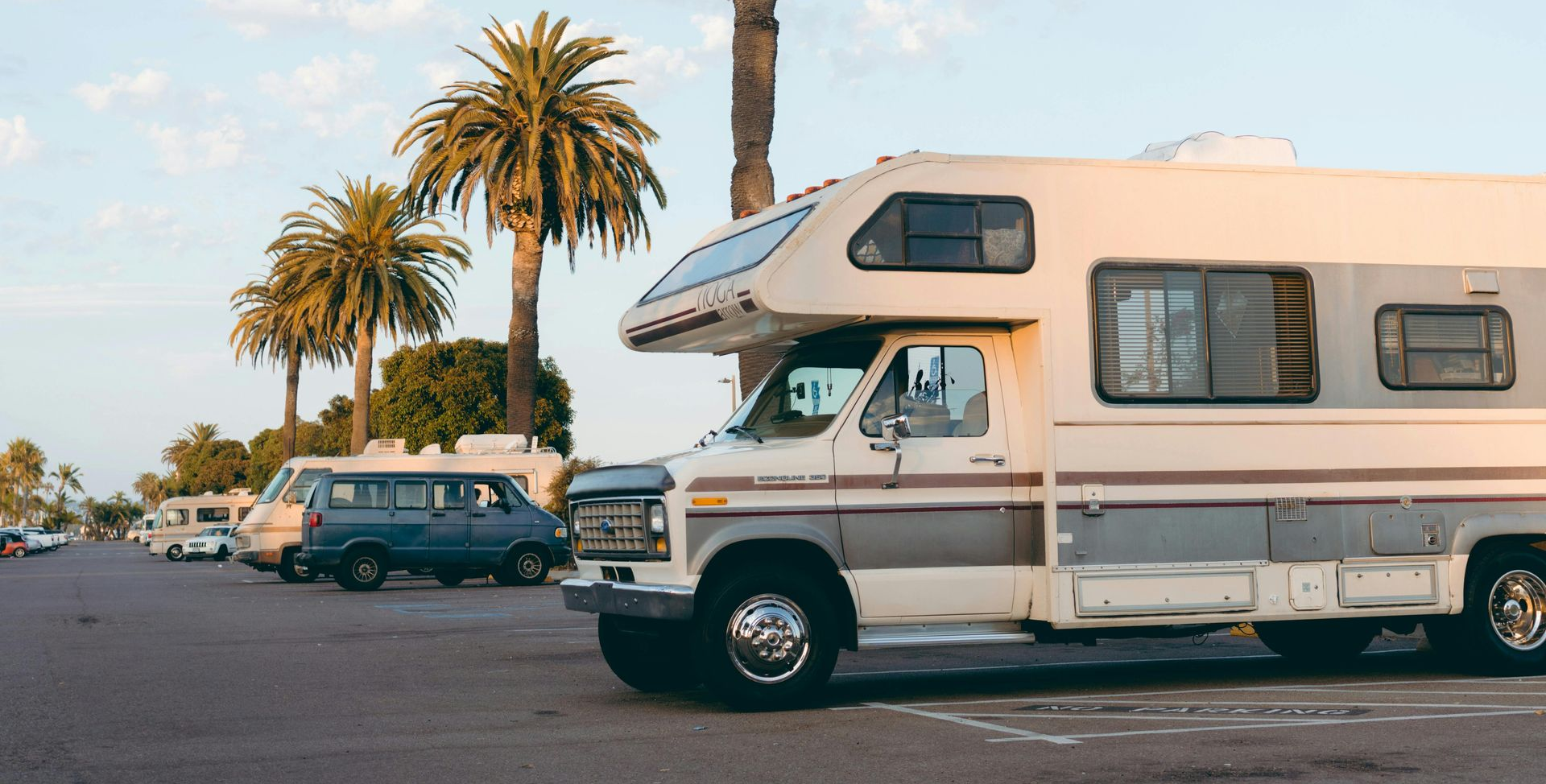
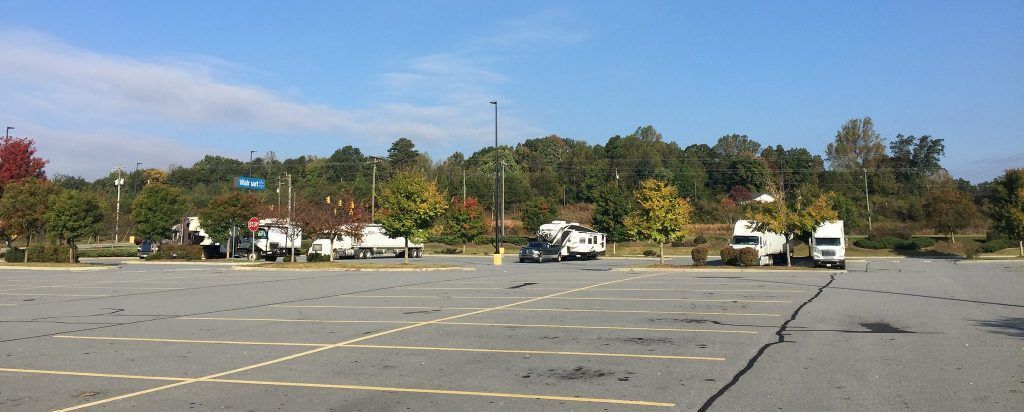
Park away from building entrances. Give customers easy access. Choose back corners or far sides of the lot where you're out of the way.
Exception: If the manager directed you to a specific spot for security reasons, follow their instructions.
Never Park In:
- Fire lanes (illegal, you WILL get towed)
- Handicap spots
- Cart return areas
- Delivery/loading zones
- Drive-thru lanes
- Directly in front of entrances
Consider Lighting
Near lights: Better security, deters theft, but harder to sleep.
Away from lights: Darker and quieter, but less secure.
Sweet spot: Park near (not directly under) lights for ambient security without the spotlight effect.
Give Other RVers Space
If other RVers are already there, don't park right next to them unless space is limited. Everyone appreciates breathing room and privacy.
Don't Block Traffic or Other RVs
Make sure you're not:
- Blocking other RVers from exiting
- Preventing delivery truck access
- Obstructing traffic lanes
Park nose-out if possible for easier morning departure.
Tow Vehicles: Stay Connected
Keep your tow vehicle or toad attached if possible. Disconnecting signals you're "setting up camp."
If you must disconnect: Park it immediately next to your RV, not in a separate spot.
Trust Your Gut on Safety
If the parking lot feels unsafe—poorly lit, suspicious activity, sketchy vibe—leave. No free parking is worth risking your safety. Move to your backup location or pay for a campground.
Bottom Line: Park in the back, check for signs, avoid blocking anyone, and trust your instincts. Do it right, and you'll have a peaceful night without issues.
Setup & Conduct - Remember, This Isn't a Campground
Once you're parked, what you do next determines whether you're a welcome guest or the reason businesses ban RVers.
Minimal Setup is Key
Set up as little as possible to comfortably stay the night. If you look like you're camping, you're doing it wrong.
What minimal setup means: Park, turn off the engine, settle in. Use what's already inside your RV. Keep everything contained.
Slides: Only If Absolutely Necessary
If your RV requires slides to access bathrooms or bedrooms, that's acceptable—but be thoughtful.
If you need slides:
- Park along the lot edge where slides overhang grass or unused areas—NOT the middle of the parking lot
- Only extend the slides you actually need
- Be mindful of blocking walkways, other RVs, or parking spaces
If you can manage without slides, don't extend them.
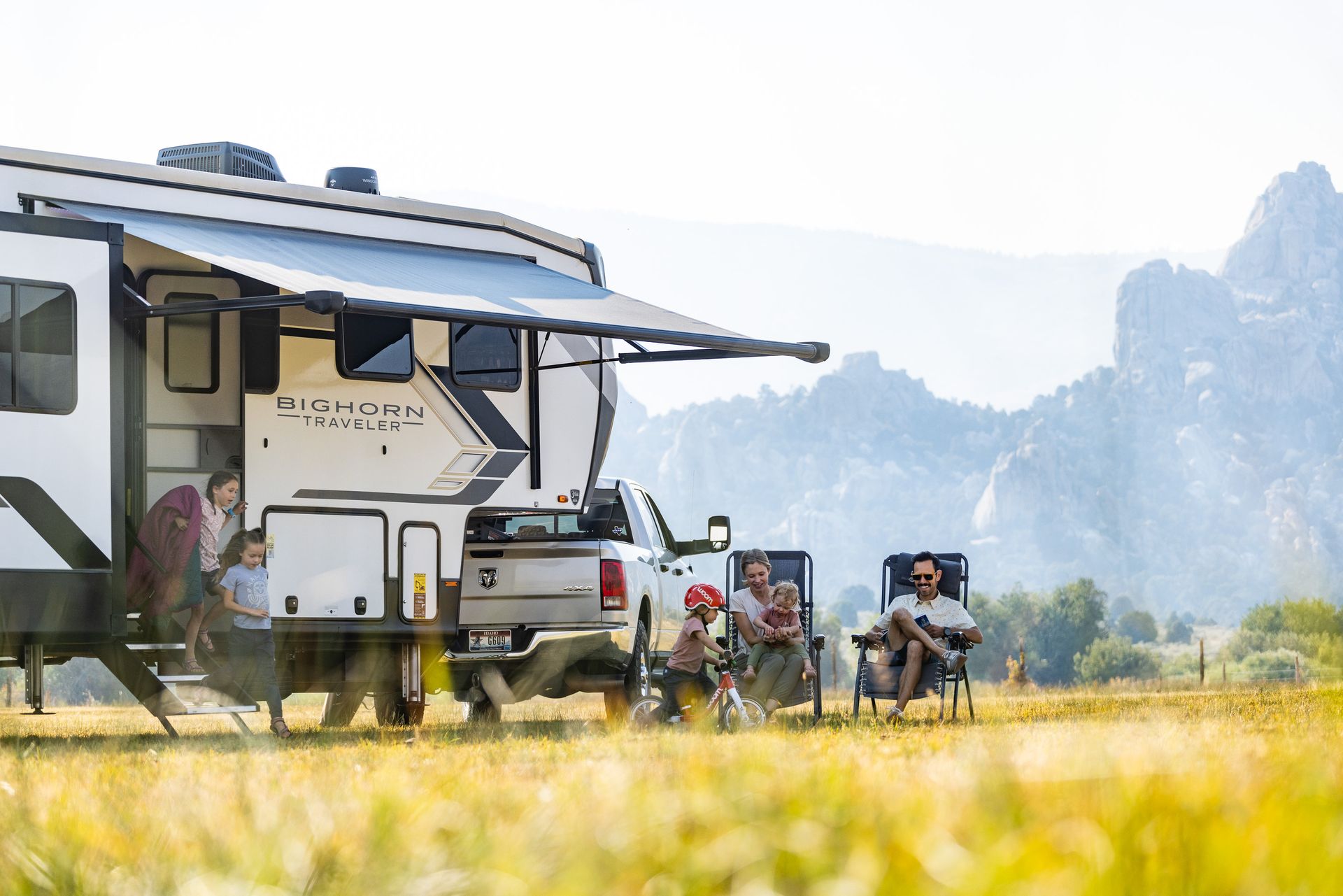
NO Awnings, Chairs, Tables, or Grills
Do not set up anything outside your RV:
- No awnings (ever)
- No camp chairs or tables
- No outdoor rugs
- No grills or cooking equipment
- No decorations or string lights
This is not a campsite. Everything stays inside.
Generator Usage: Follow The Unwritten Quiet Hours Rule
NO generators after 10 PM. NO generators before 7 AM.
Better yet, skip the generator entirely if you can. Use batteries and inverters for essentials overnight. Run the generator briefly before 10 PM if needed, then shut it down.
Why this matters: Generators are LOUD and the #1 complaint. Don't be the reason parking lot camping disappears.
Pets: Leash, Clean Up, Keep Close
- Always leash your pets
- Walk them away from the building and other RVs
- Pick up after them immediately
- Don't let them bark excessively
One irresponsible pet owner ruins it for everyone.
Bottom Line: No awnings, no outdoor setups, no loud generators after 10 PM, and absolutely no dumping tanks. Keep everything inside, keep noise down, and be invisible. Follow these rules and you'll never have a problem. Break them and you ruin it for everyone.
Where You CAN Park (With Permission)
Not every business welcomes overnight RVers, but some have built their reputation on being RV-friendly. Here are the most common options, and what you need to know about each.
Walmart
The classic parking lot camping destination. Walmart has long been known as RV-friendly, but that's changing in many locations.
What you need to know:
- Corporate policy allows it, but individual stores can opt out - Always call the specific location
- City ordinances trump corporate policy - Many cities have banned overnight RV parking in Walmart lots
- Hundreds of Walmarts have closed to RVers - Due to complaints, local laws, or bad RVer behavior
- If allowed, it's typically FREE - No hookups, no amenities, just a place to park overnight
Best practices:
- Call ahead the day you plan to stay
- Ask where they prefer RVs to park (often the back corner or far side of the lot)
- Shop at Walmart while you're there—buy groceries, supplies, or necessities to show appreciation
- Follow all etiquette rules (minimal setup, quiet hours, leave early)
Why Walmart works: Huge parking lots, well-lit, often 24-hour stores, easy in/out access for big rigs.
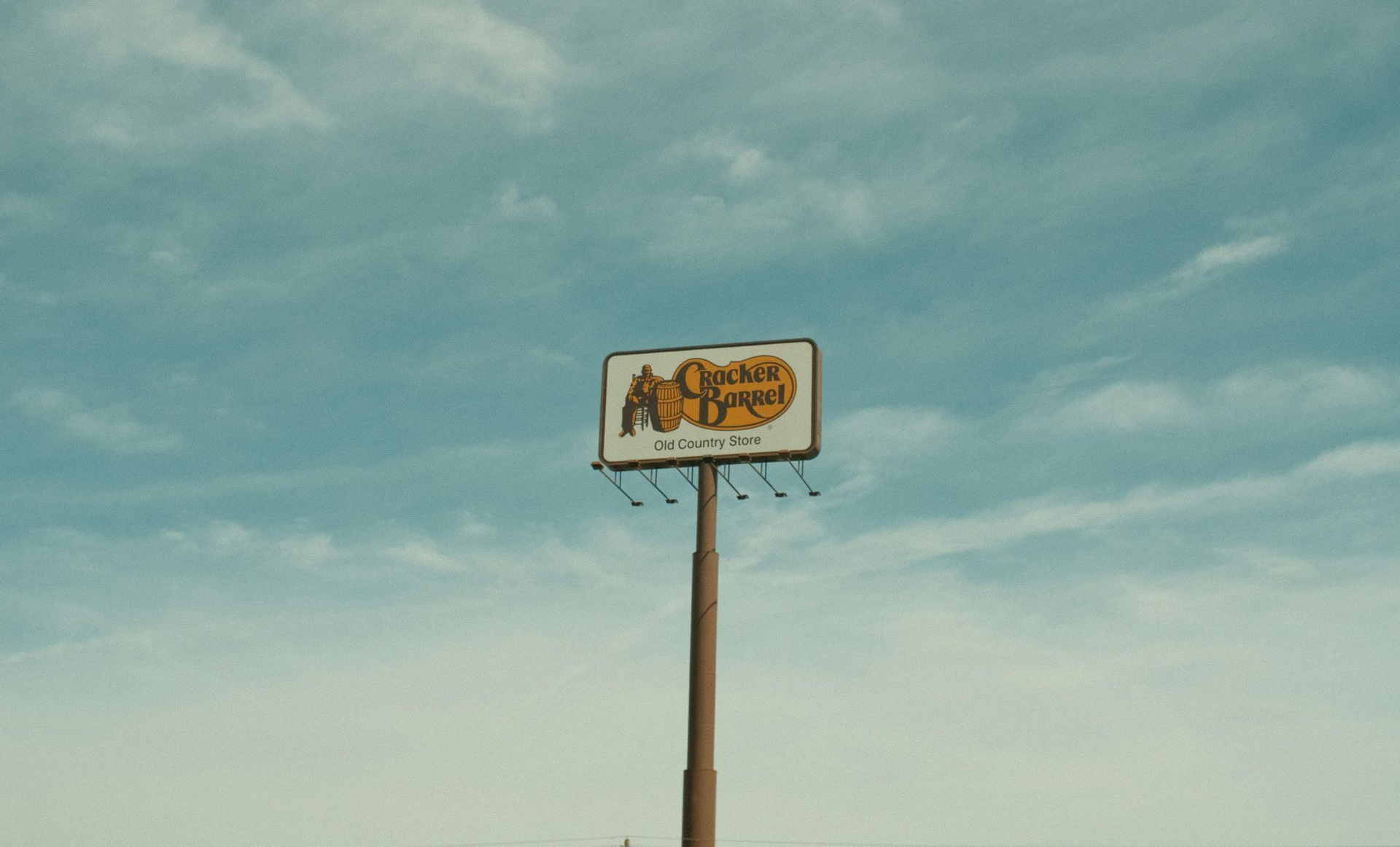
Cracker Barrel
Another RV-friendly favorite, Cracker Barrel has a long tradition of welcoming RVers for overnight stays.
What you need to know:
- Most locations allow overnight parking - But always call to confirm
- They WANT you to eat there - Patronize the restaurant for breakfast or dinner
- Smaller parking lots than Walmart - Space can be tighter, so arrive early if possible
- Family-friendly atmosphere - Generally safe, well-lit, and located near highways
Best practices:
- Call ahead to confirm and ask where to park
- Eat at Cracker Barrel (breakfast and/or dinner) to support the business
- Park away from the building entrance so customers have easy access
- Be extra mindful of space—these lots fill up during meal times
Why Cracker Barrel works: Conveniently located near highways, welcoming to travelers, and you get a good meal out of it.
Cabela's / Bass Pro Shops
Outdoor retailers that cater to RVers, hunters, and outdoor enthusiasts. Many locations explicitly welcome RVers.
What you need to know:
- Most are RV-friendly - Some even have dedicated RV parking areas
- Large parking lots - Easier to find space for big rigs
- Great for stocking up on outdoor gear - Browse fishing, camping, or hunting supplies while you're there
- Typically located near highways - Easy access for travelers
Best practices:
- Call ahead to confirm
- Shop at the store or at least browse—they're welcoming RVers as potential customers
- Use designated RV parking if available
Why Cabela's/Bass Pro works: They understand the RV lifestyle and actively welcome travelers.
Other Potential Options (Always Call First)
Some other businesses occasionally allow overnight RV parking, but policies vary widely:
- Casinos (particularly in the western U.S.) - Many welcome RVers and hope you'll gamble
- Home Depot / Lowe's - Some locations allow it, many don't—always call
- 24-hour grocery stores (Kroger, Fred Meyer, etc.) - Rare, but some allow it
- Truck stops & Rest Areas - We'll cover this separately (see next section)
Bottom line on "other options": Never assume. Always call. And be prepared for a "no."
Why These Businesses Allow Overnight Parking:
It's not purely altruistic—there's a business reason:
- You're a potential customer - They hope you'll shop, eat, or spend money
- Goodwill and brand loyalty - RVers remember who welcomed them and return
- Minimal cost to them - Empty parking spaces at night cost them nothing
But this privilege can disappear instantly if RVers abuse it. Bad behavior, complaints, and disrespect lead to bans. Follow the rules, support the businesses, and protect this option for future RVers.
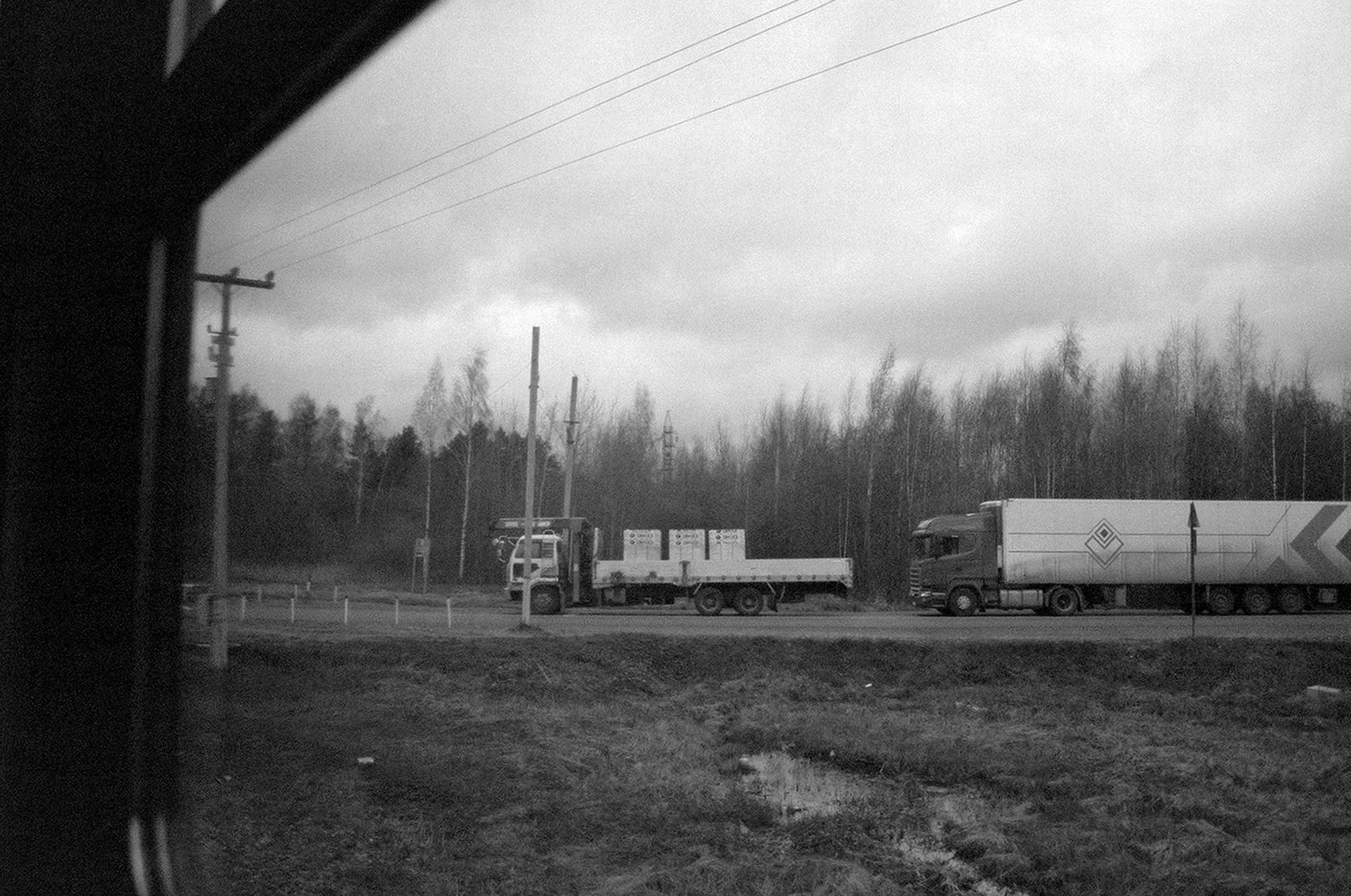
Rest Areas & Truck Stops - Use as a Last Resort
While rest areas and truck stops technically allow overnight parking, they should be your last resort, not your first choice.
Truck Stops: Respect the Truckers
Truck stops exist primarily for commercial drivers who are legally required to take rest breaks. Unlike RVers who have alternatives, truckers often don't have other choices.
Why they should be your last option:
- Truckers need these spaces for work - You're taking a spot from someone who relies on it to do their job safely
- Designed for semi-trucks, not RVs - Maneuvering can be difficult and dangerous
- Constant noise - Diesel engines idling 24/7, air brakes, trucks coming and going all night
- Safety concerns - Higher risk for theft and less secure environments
If you must use a truck stop: Park in designated RV areas if available, avoid trucker spots, keep your stay SHORT, and leave early.
Rest Areas: Know the Rules
Rest areas seem convenient, but they come with strict limitations.
Key issues:
- State laws vary widely - Some allow overnight stays, others prohibit it entirely
- Time limits are enforced - Most allow 2-4 hours, some up to 8. Overstay and you risk fines
- No amenities - No hookups, no dump stations
- Safety varies - Some are well-lit and patrolled; others are isolated and sketchy
- Better for quick naps than full overnight stays
The Bottom Line
Prioritize Walmart, Cracker Barrel, and Cabela's (with permission) first. Use paid options like Harvest Hosts second. Save rest areas and truck stops for emergencies when you truly have no other choice.
Better Alternatives - Harvest Hosts, Boondockers Welcome, RV Overnights & Passport America
Tired of parking lot camping? Want to stay somewhere you're actually invited rather than tolerated? There are better options—and they're not as expensive as you might think.
Harvest Hosts, Boondockers Welcome & RV Overnights
These are paid membership programs (~$39-$135/year) that connect RVers with hosts who explicitly welcome you to stay on their property overnight.
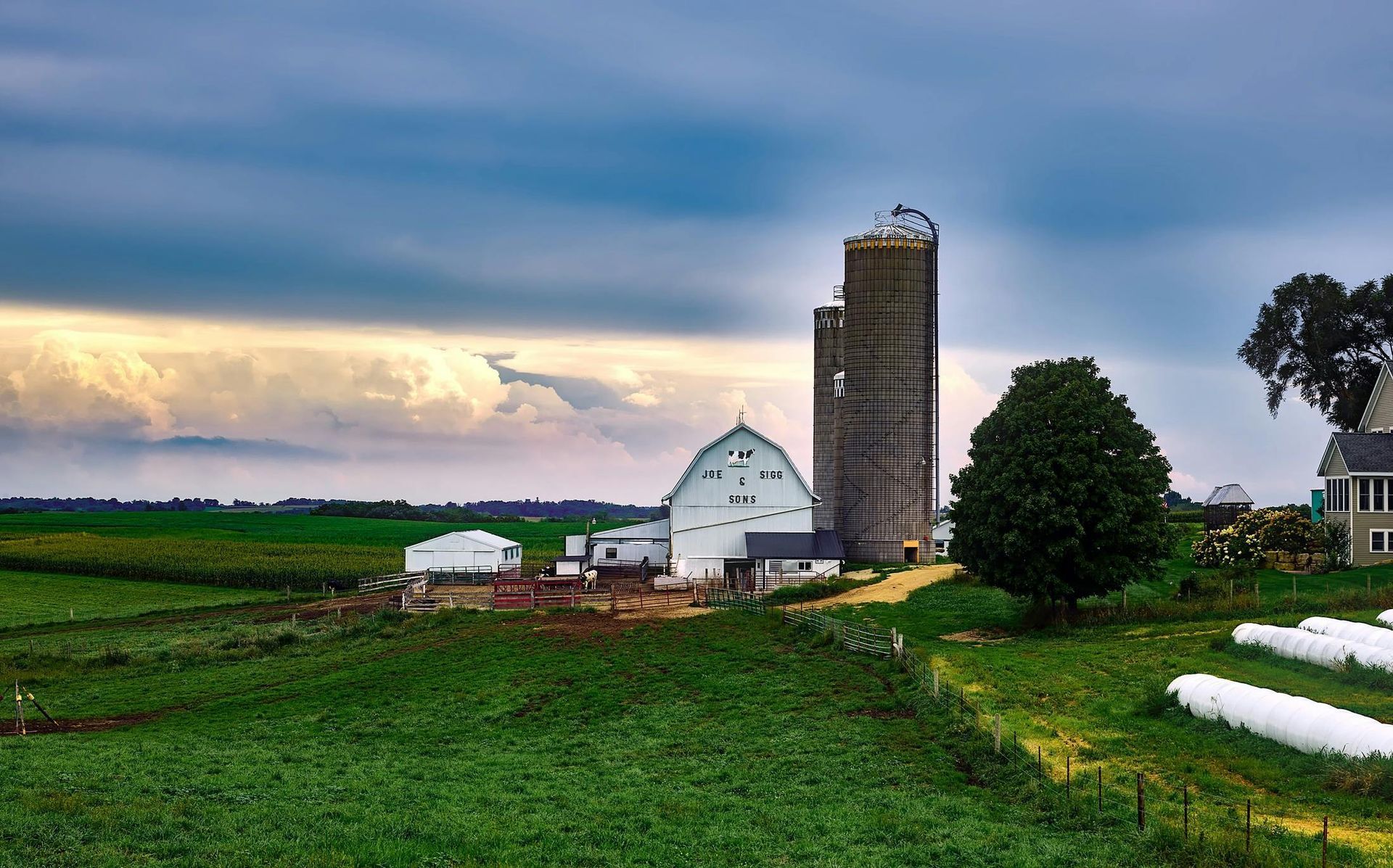
Harvest Hosts connects you with farms, wineries, breweries, museums, and attractions. You stay for free in exchange for patronizing the business.
Boondockers Welcome (now part of Harvest Hosts) connects you with individual hosts—everyday people who have property and welcome RVers to park overnight.
RV Overnights connects you with businesses, attractions, and hosts specifically set up for RVers.
Why These Are Better Than Walmart
You're explicitly invited. There's no gray area.
At Walmart, you're hoping they say yes and minimizing setup. With these memberships, hosts are expecting you and want you there. You can put out slides, disconnect your tow vehicle, set up a chair, and actually relax. No risk of the midnight knock.
"But I have to pay AND spend money at the business?"
Here's the reality: Even at "free" Walmart stops, you should be spending money to support the business. With these memberships, you're getting a better experience for the same money you'd spend anyway.
What you get:
- Unique, beautiful locations (vineyards, farms, ranches, museums)
- Full setup allowed—slides out, chairs out, enjoy the outdoors
- Friendly hosts who often offer tours, tastings, or great conversation
- No stress about breaking rules or getting kicked out
- Supporting small businesses, not mega-corporations
Each host sets their own rules (nights allowed, generator use, pet policies, purchase expectations), so read descriptions carefully. Book ahead, communicate with your host, and be a good guest.
Passport America - Discount Camping for Quick Stops
If you prefer actual campgrounds with hookups, Passport America ($44/year) gets you 50% off at over 1,900 participating campgrounds.
Why it's great:
- Cheap camping - Often $15-25/night after discount
- Full hookups - Electric, water, sewer
- Big rig friendly - Many have easy pull-through sites
- Legitimate camping - Full setup is expected and welcomed
Limitations: Some parks restrict Passport America to off-peak days (weekdays, off-season), and you're still paying $15-30/night versus free parking lot camping.
But for the price of dinner at Cracker Barrel, you get full hookups, a real campsite, and zero stress.
Is It Worth the Cost?
If you're parking lot camping regularly, absolutely yes.
You're already spending money at Walmart and Cracker Barrel. These memberships pay for themselves quickly while offering infinitely better experiences—unique locations, full setup, no stress, and often hookups.
Would you rather spend a night in a Walmart parking lot trying to be invisible, or at a beautiful vineyard with your slides out? Or at a campground with full hookups for $20?
For many RVers, that's an easy choice.
Why Etiquette Matters - The Bigger Picture
Parking lot etiquette isn't just about following rules—it's about protecting a privilege that's disappearing fast.
Bad Behavior Ruins It for Everyone
Every year, more businesses ban overnight RV parking. Hundreds of Walmart locations have closed to RVers. Cracker Barrels are tightening restrictions. Even truck stops are cracking down.
Why?
Because too many RVers have treated parking lots like campgrounds—staying for days, setting up awnings and chairs, running generators all night, leaving trash, and even dumping tanks in parking lots (yes, really).
One bad RVer ruins it for thousands who come after them.
When a business gets complaints from customers, deals with trash left behind, or has to clean up after someone dumped their tanks, they don't just ban that RVer—they ban all RVers.
Your behavior today determines whether parking lot camping exists tomorrow.
Businesses Are Doing YOU a Favor
Walmart, Cracker Barrel, and Cabela's don't have to allow overnight parking. They're not legally required to welcome RVers. They do it as a courtesy—and because they hope you'll be a customer.
But it's not unconditional.
When RVers abuse the privilege, businesses have every right to say "no more." And they are. Rapidly.
Show gratitude by:
- Following all etiquette rules (minimal setup, quiet hours, leave early)
- Supporting the business (shop there, eat there, spend money)
- Leaving no trace (pick up trash, even if it's not yours)
- Being respectful to staff, customers, and other RVers
- Treat parking lot camping like the privilege it is—not an entitlement.
- Your Reputation Reflects on All RVers
When you park at Walmart, you're not just representing yourself—you're representing the entire RV community.
Customers and employees see you and form opinions:
"That RVer was so polite and quiet—nice people!"
OR: "That RVer was loud, messy, and rude—let's ban them all."
Community reputation matters. The more respectful RVers are, the more businesses stay open to us. The more disrespectful we are, the faster this option disappears.
You want parking lot camping to remain available? Be the RVer that makes businesses want to keep welcoming us.
The Future of Parking Lot Camping Depends on Us
Parking lot camping isn't guaranteed. It's fragile. And it's disappearing.
But it doesn't have to.
If every RVer followed proper etiquette—minimal setup, quiet hours, supporting businesses, leaving no trace—this option would thrive for decades.
The choice is ours:
Respect the rules and preserve parking lot camping for future RVers
OR ignore etiquette and watch it disappear entirely.
What kind of RVer do you want to be?
Be the RVer Who Protects This Privilege
Parking lot camping is a lifesaver for RVers—convenient, free, and perfect for breaking up long travel days. But it's disappearing fast, and we're the reason why.
The rules aren't complicated:
- Always call ahead and get permission
- Park respectfully (away from entrances, minimal setup)
- No awnings, no outdoor furniture, no dumping tanks
- Generator off after 10 PM and before 7 AM
- Support the business that's hosting you
- Leave no trace and depart early
Follow these rules, and you'll never have a problem. Break them, and you're not just ruining your own experience—you're destroying this option for every RVer who comes after you.
Remember: You're a Guest, Not a Camper
Walmart, Cracker Barrel, and Cabela's are doing you a favor by allowing overnight parking. They don't have to. Show gratitude by being respectful, spending money, and following their rules.
And when you're ready for a better experience? Try Harvest Hosts, Boondockers Welcome, RV Overnights, or Passport America. You'll get unique locations, full setup privileges, and the peace of mind that comes with being explicitly welcomed.
The Future of Parking Lot Camping is in Your Hands
Every time you park overnight, you're either protecting this privilege or contributing to its extinction.
Choose wisely. Be respectful. Support the businesses. Leave no trace.
Because the midnight knock isn't just about you getting kicked out—it's about all of us losing this option forever.
Be the RVer who makes businesses want to keep their doors (and parking lots) open to us.
Safe travels, and park responsibly.
Other blogs you might like...