
Groundhog Day Is Here… Is Your RV Ready for Spring?
Jennifer Schillaci • February 2, 2026
Groundhog Day: The RV Owner’s Secret New Year

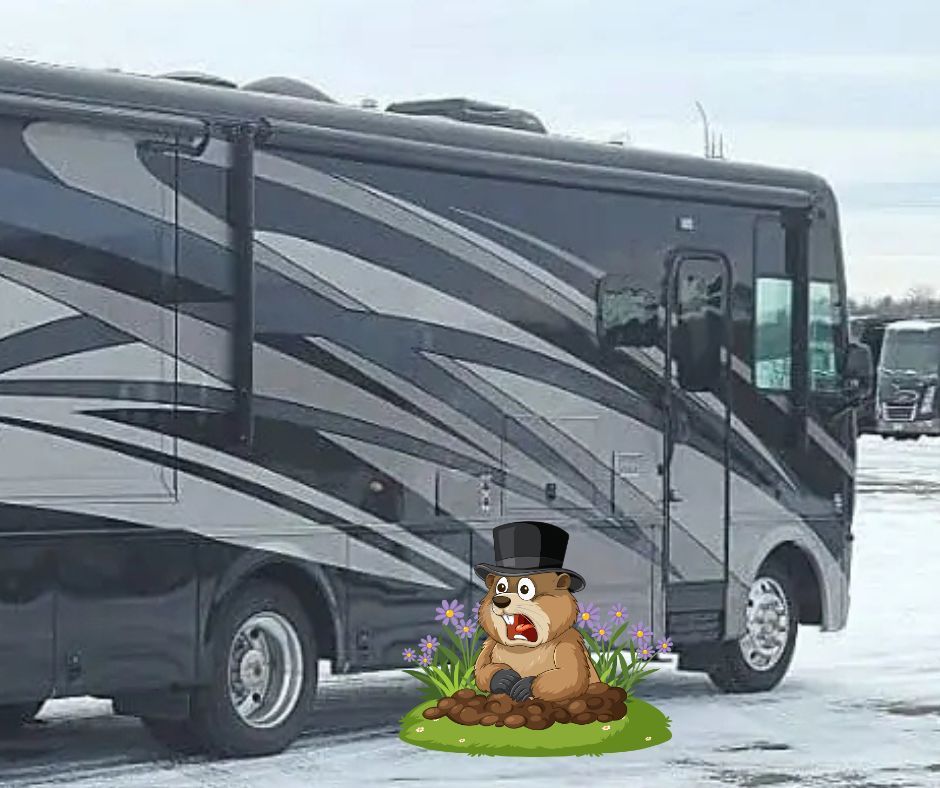
Every February 2nd, the world pauses to watch a small, slightly bewildered groundhog waddle out, blink at the sky, and—this year—promptly see his shadow.
So… six more weeks of winter.
Because of course he did.
Will spring arrive fashionably late?
Will winter hang around like that one guest who won’t take the hint and go home?
Maybe.
But RVers know better: spring camping doesn’t wait for a rodent’s weather report.
Rallies are already revving up across the South, snowbirds are inching their way north, and campgrounds from Texas to Tennessee are stretching, yawning, and flipping their “Open” signs back around.
So while half the country is still buried under snowdrifts tall enough to qualify as national landmarks, this is the perfect moment to ask yourself...
Is your RV actually ready to roll the moment the groundhog finally gives us the all‑clear?
Let’s dive into the top 10 real, practical, absolutely‑worth‑doing tasks to get your rig road‑ready for spring.
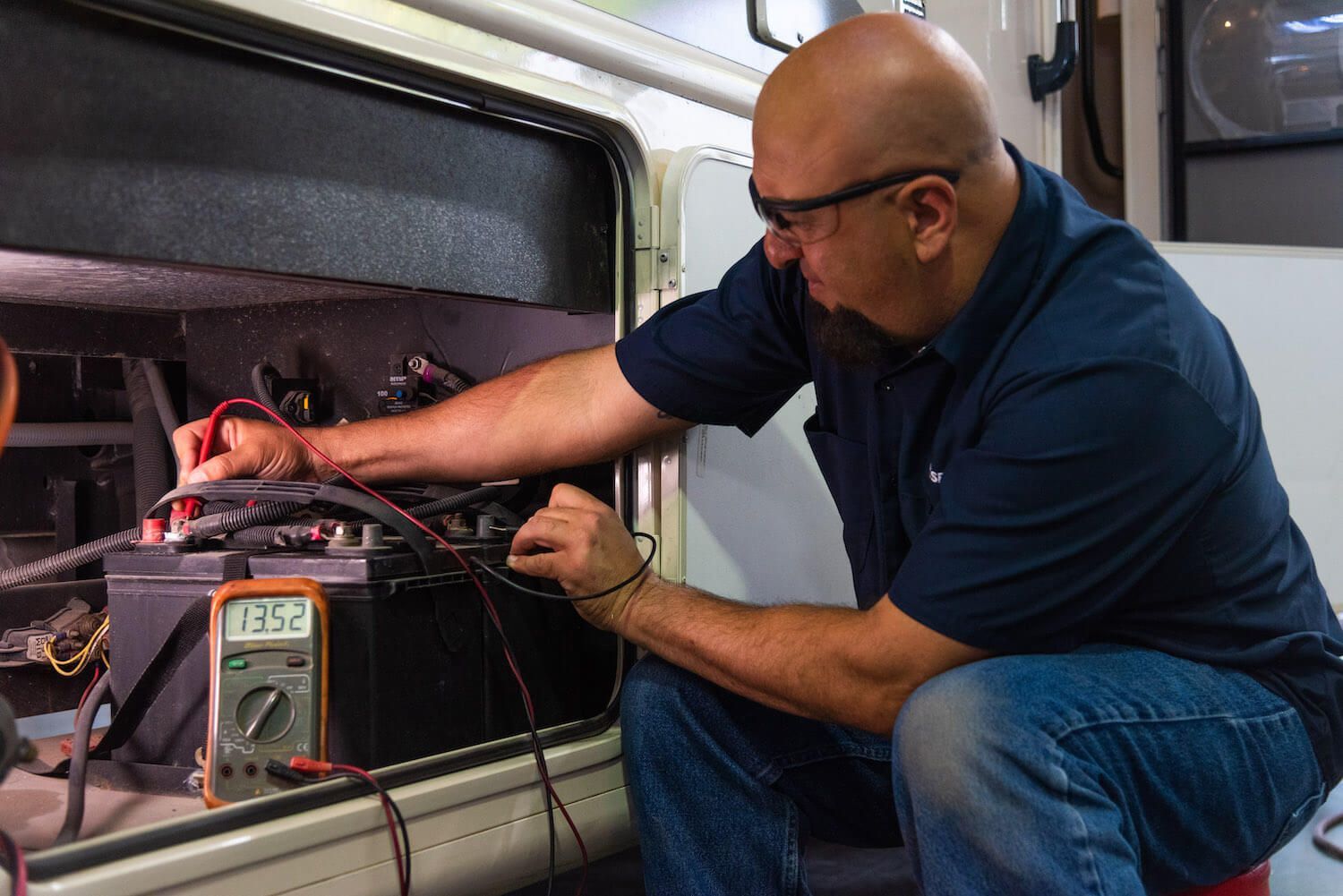
1. Check Your Batteries (House + Chassis)
Cold weather is brutal on batteries. Before spring hits, make sure yours are:
• Holding charge
• Free of corrosion
• Topped off (for lead‑acid)
• Secure and clean
A weak battery in March can easily become a dead battery in April.
Your RV’s batteries are the heartbeat of your entire rig, and winter is when they take the hardest hit. Cold temperatures slow chemical reactions inside the battery, which means they lose capacity faster and recover more slowly. If corrosion builds up, water levels drop, or connections loosen during storage, your RV can struggle to power even the basics when spring rolls around.
That’s why this simple mid‑winter check matters so much: catching a weak battery now prevents electrical failures later, protects your converter and charging system from strain, and ensures your RV is ready to fire up the moment you’re ready to roll. A healthy battery bank is the difference between a smooth first trip and a frustrating, expensive delay.

2. Inspect Your Roof & Sealant
Even if your rig is still under snow, a quick visual check matters. Look for:
• Cracked sealant
• Loose lap seal
• Debris or branches
• Obvious punctures
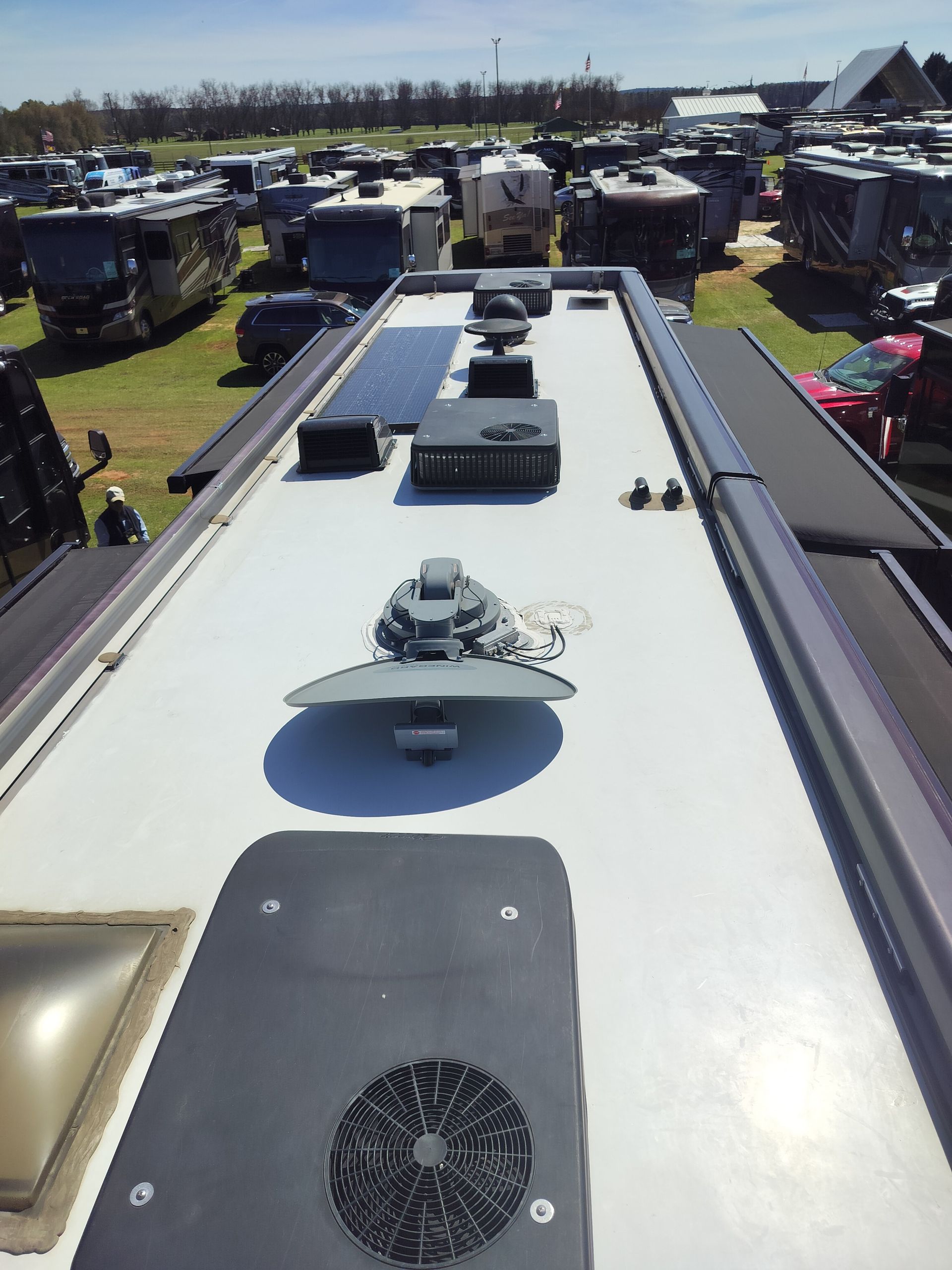
This is the season when small winter issues turn into spring leaks.
Your RV roof is the single largest, most exposed surface on your entire rig — and it’s the one component (other than your suspension) where shortcuts always come back to bite you. Winter storms, freeze–thaw cycles, debris, and UV exposure all work quietly and steadily against your roof. A tiny crack in sealant in February becomes a soft spot in April, and by June it can turn into structural damage that spreads far beyond the original leak.
Water doesn’t stay where it enters; it travels, it hides, and it destroys from the inside out. That’s why we harp on roof checks so often: because the roof is the difference between a safe, dry RV and a costly, trip‑ruining repair.
And here’s the truth RV owners learn the hard way — sealant is not a forever fix. It ages, it shrinks, it cracks, and it needs constant attention. If you’re tired of chasing leaks or wondering what’s happening under that caulk line, this is the moment to plan ahead.
RV Roofing Solutions offers a maintenance‑free roofing system that eliminates the endless cycle of scraping, resealing, and hoping for the best. It’s low‑VOC, professionally installed, and designed to protect your RV for the long haul.
Summer install schedules fill fast every year, especially once spring inspections start revealing hidden winter damage. If you want peace of mind before your big trips, get on the schedule now at rvroofingsolutions.com and lock in your spot before the rush hit
3. Test Your Propane System
Before you fire up the furnace or stove on your first trip:
• Check propane levels
• Inspect pigtails and regulators
• Test appliances for proper ignition
Propane issues are far easier to fix in February than on your first night out.
Propane is one of the most powerful—and potentially dangerous—systems on your RV, and problems often stay hidden until they become emergencies. Cold weather can stiffen hoses, weaken regulators, and cause small leaks that go unnoticed without proper testing. That’s why functioning propane detectors are non‑negotiable.
They’re your early‑warning system, designed to alert you long before you can smell or sense a problem. A detector that’s expired, unplugged, or ignored can’t protect you. And when it comes to repairs or adjustments, propane work should always be handled by a certified technician.
You can’t see internal regulator failures, micro‑leaks, or pressure imbalances with the naked eye—those issues only show up when a trained tech performs proper testing. Taking these steps now prevents fires, carbon monoxide exposure, appliance failures, and trip‑ending emergencies. A little attention in winter is what keeps your family safe and your RV adventure‑ready when spring arrives.

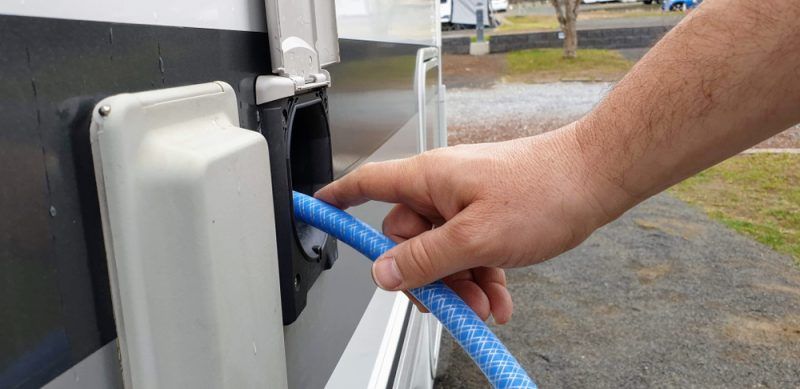
4. Flush & Sanitize Your Fresh Water System
If you winterized, great. But before spring camping:
• Flush antifreeze
• Sanitize the fresh tank
• Check for leaks at fittings and valves
• Inspect the water pump
Nothing says “welcome back to camping” like clean, fresh water.
Properly flushing and sanitizing your fresh water system is one of the most important spring‑prep steps you can take, because whatever sits in those lines all winter is exactly what you’ll be drinking, cooking with, and showering in come spring. Antifreeze residue, stagnant water, and bacteria can linger in fittings, pumps, and low points if you don’t flush thoroughly.
A good sanitizing cycle not only protects your health but also helps you spot leaks early—before pressure builds and turns a tiny drip into a mid‑season repair. And if you’ve been thinking about upgrading your filtration setup, this is the perfect moment to add a Blu Technology water system to your RV. Their ultra‑fine filtration gives you clean, fresh‑tasting water at every campground, no matter what comes out of the spigot.
With RV show season in full swing, you might even catch a Blu Tech system on sale, making it an ideal time to invest in safer, better‑tasting water for the entire camping season.
5. Tires, Tires, Tires
Winter storage can cause flat spots and pressure loss.
Check:
• PSI
• Sidewall cracking
• Tread wear
• Date codes
If your tires are aging out, spring is the safest time to replace them.
Your tires are the only thing between your RV and the pavement, and they quietly take more abuse than almost any other component on your rig. Even if they “look fine,” age, UV exposure, under‑inflation, and winter storage can weaken the internal structure long before you see visible damage.
That’s why knowing when they were last replaced matters just as much as checking PSI or tread depth. A tired tire doesn’t always announce itself—it simply fails. And when an RV tire blows, it’s not just inconvenient; it can rip apart wheel wells, destroy plumbing and wiring, shred slide floors, and cause thousands of dollars in damage in seconds.
Managing tire health now—before your first spring trip—means you’re preventing the kind of catastrophic failure that ruins vacations and endangers your family. Replacing aging tires in spring isn’t overkill; it’s smart, proactive safety that keeps you rolling confidently into the new season.

6. Test All Safety Gear
This is the unglamorous but essential part of RV life.
• Smoke detectors
• CO detectors
• Fire extinguishers
• LP detectors
Replace batteries, test alarms, and make sure extinguishers are charged.
Your safety gear is the quiet guardian of your RV, and it only matters when you need it most—so spring is the perfect time to make sure every device is ready to do its job.
Smoke, CO, and LP detectors all have expiration dates, and their sensors weaken long before they stop chirping. A detector that doesn’t alarm when it should is just a piece of plastic on the wall. Fire extinguishers can lose pressure over time, especially after winter storage, and a half‑charged extinguisher is as useless as having none at all.
This is also the moment to refresh your first‑aid kit and emergency supplies: check expiration dates, replace used or missing items, and make sure you have essentials like bandages, antiseptics, gloves, and any personal medications your family relies on.
Emergencies don’t wait for convenience, and the middle of a campground is the worst place to discover that something you thought would protect you… won’t. A few minutes of attention now gives you peace of mind all season long.
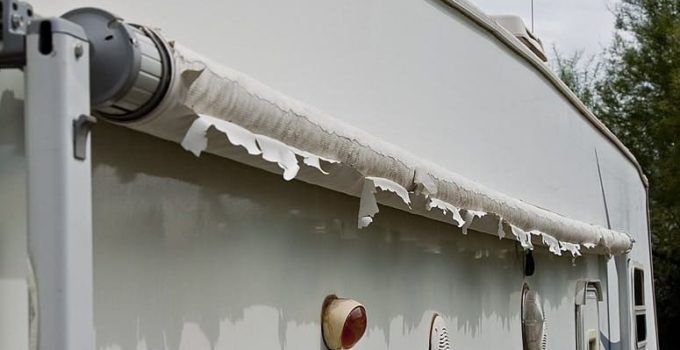
7. Give Your Awning a Look
Awnings take a beating in storage.
Check for:
• Tears
• Mold
• Sticking arms
• Loose hardware
A little silicone spray now saves a lot of frustration later.
Your awnings and slide toppers work harder than most people realize, and winter is when they quietly take the most damage. Fabric that sits rolled up for months can trap moisture, leading to mold, mildew, and dry rot.
UV exposure weakens the material over time, even when the awning is retracted, and wind can loosen hardware or stress the arms without you ever seeing it happen. Slide toppers are especially vulnerable because they collect debris—sticks, leaves, acorns—that can puncture or stretch the fabric when the slide moves.
A quick spring inspection helps you catch tears before they spread, remove buildup that strains the roller, and make sure the arms and springs move freely. A little silicone spray on the moving parts keeps everything gliding smoothly and prevents binding or premature wear.
Taking a few minutes now protects your awning from costly mid‑season failures and keeps your slide toppers doing their job: shielding your rig from water, debris, and the kind of hidden damage that only shows up when it’s too late.
8. Run Your Generator
Generators hate sitting still.
• Check oil
• Run under load
• Listen for surging
• Inspect the exhaust
A monthly exercise cycle keeps it healthy.
Your generator is a critical system on your RV, especially if you travel long distances, boondock, or rely on it for air conditioning during hot travel days. But generators absolutely hate sitting still.
When they go unused, fuel can varnish, moisture can build up, and internal components can stiffen—making it harder for the generator to start when you finally need it. That’s why a monthly exercise cycle is so important. Running your generator under load warms the oil, burns off moisture, circulates fuel, and keeps the carburetor and brushes healthy.
Think of it as “waking up” the generator so it remembers how to work. A neglected generator might crank endlessly, surge, or fail completely at the worst possible moment—like when you’re rolling down the highway in summer heat and need the roof AC to keep the family comfortable. A few minutes of maintenance now ensures your generator fires up confidently when you hit the road this spring.

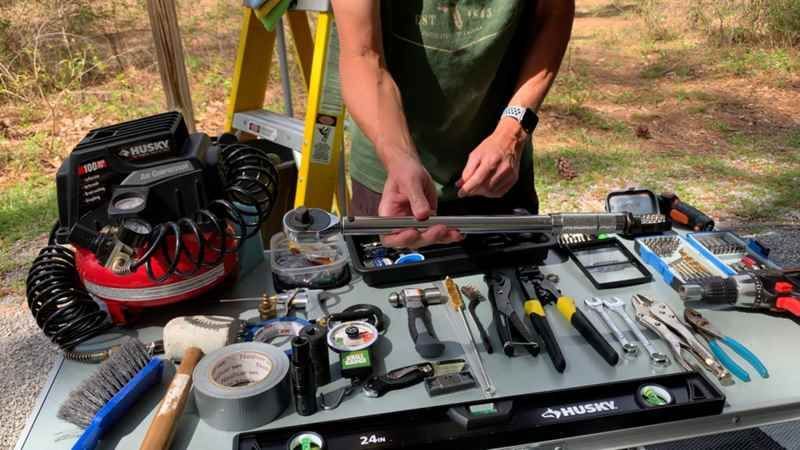
9. Update Your Emergency & Tool Kits
Spring is the season of “I forgot that was in here.”
Refresh:
• First aid supplies
• Fuses
• Tools
• Flashlights
• Roadside gear
This is also a great time to add anything you wished you had last season.
Updating your emergency and tool kits is one of those unglamorous tasks that pays off the moment something goes sideways. Spring is when most RVers discover half‑used first‑aid kits, dead flashlights, missing fuses, and tools that somehow migrated to the wrong compartment. This is a great time to restock bandages, antiseptics, gloves, and medications, replace every battery in every flashlight, and make sure your roadside gear is complete and functional.
Add in the items you wish you’d had last season—like a USB‑rechargeable camping light with long battery life, an emergency weather radio, or a compact jump pack. A fire‑safe envelope or pouch for your important documents is another smart addition; if you ever have to leave quickly, you’ll be grateful everything is in one protected place.
When the power goes out, the generator runs dry, or you find yourself pulled over on a dark shoulder, these are the tools that turn a crisis into an inconvenience. A well‑stocked emergency kit isn’t just preparedness—it’s peace of mind for every mile ahead.
10. Start Planning Your First Spring Trip
This is where the fun begins.
• Early‑spring rallies are already posting dates
• Southern states are buzzing with events
• Snowbirds heading north bring life back to the highways
• Campgrounds fill fast once March hits
Planning your first spring trip is where the excitement really kicks in, but it’s also the moment to get your digital life and memberships in order. Update your travel apps, campground apps, and navigation tools so nothing glitches when you’re on the road.
Make sure your memberships are current—especially programs like Family RV Association, where the included travel & medical assist program is something you never think about… until the day you desperately need it.
This is also the perfect time to review your RV insurance policy, confirm coverage details, and make sure everything matches how you actually travel.
Campgrounds start filling fast as early‑spring rallies launch and snowbirds begin their migration north, so booking ahead gives you the best spots and the least stress. And don’t forget to browse the rally calendars—spring is packed with events, meetups, and community gatherings that can shape your entire travel season. Dreaming is the first step, but a little planning now makes those dreams a whole lot smoother once the wheels start rolling.
Even if the groundhog predicts six more weeks of winter, your RV season starts the moment you start dreaming.

Spring Starts When You Decide It Does
Groundhog Day isn’t really about a shadow — it’s about momentum.
It’s the moment RVers shake off the winter slump and start imagining sunshine, campfires, and the first warm breeze through an open RV window.
Whether you’re heading south for early‑season rallies or prepping for that first spring weekend close to home, these ten tasks will make sure your RV is ready to roll the moment the weather cooperates.
Pro Tip: While bearing repacks didn’t make the official top‑10 list, they’re one of the most overlooked maintenance items that can save you from a highway disaster.
For most RVers, bearings should be repacked about once a year or roughly every 10,000–12,000 miles—but that timing shifts depending on how you camp.
Seasonal campers who park their rig for long stretches may go a bit longer, while full‑timers or frequent travelers should stay on the annual schedule.
Bearings don’t give much warning before they fail, and once they overheat, the damage is immediate and severe. A smoking bearing on the highway can seize an axle, shred a hub, or leave you stranded in a dangerous spot. Pairing regular maintenance with a reliable TPMS (tire pressure monitoring system) adds another layer of protection.
A good TPMS can alert you to rising temperatures or pressure changes long before you feel something wrong behind the wheel. Staying ahead of these issues keeps your RV safe, your travels smooth, and your repair bills far lower than they would be after a roadside failure.
As winter slowly loosens its grip after the groundhog makes his grand appearance, RVers everywhere start feeling that familiar itch—the one that whispers, “It’s almost time.”
Maybe it’s the first day you notice the sun hanging around a little longer, or the moment you catch yourself scrolling rally calendars instead of finishing the task you were supposed to be doing. It’s the season of anticipation, of possibility, of dusting off dreams that have been parked for a few months.
I always think back to one early‑spring trip our family last spring. The snow was still melting in the ditches, the air had that crisp bite, and we weren’t entirely sure the campground would even be open. But we went anyway. The kids piled into the truck with their blankets, the generator coughed awake like it was stretching after a long nap, and the tires hummed their way toward the first adventure of the year.
When we pulled in, the place was nearly empty—just us, a couple of friends and 8000 ft in elevation in beautiful, but brisk, South Fork Colorado, and the promise of a new season.
We made hot cocoa, watched our breath float in the air, and laughed at how unprepared we were… but we were together, and we were rolling. That’s what mattered.
That’s the magic of spring RVing. It’s not about perfection. It’s about readiness, confidence, and the thrill of knowing the road is waking up right along with you.
Every checklist item you tackle now—every battery checked, every seal inspected, every kit refreshed—isn’t just maintenance. It’s preparation for the memories waiting just around the bend.