

Must-Have RV Tools: The Complete Toolkit for Every RV Owner

Tasha Martin • February 20, 2026

Everyday tools for RV Safety, Upkeep, Emergency RV Repairs and Roadside Fixes

Planning your RV adventure means more than mapping routes and booking campsites.

Whether you're a first-time RVer or a seasoned road warrior, having the right tools on

hand can mean the difference between a minor inconvenience and a trip-ending

breakdown.


Before we dive into the essentials, there are three things you should know to keep in

mind:

  1. Your personal mechanical skill level,
  2. Your available storage space
  3. The weight capacity of your rig. These are big considerations when building your own toolkit.


Don't think you're mechanically inclined? Don’t worry — many RV repairs are simpler than

you think, and the RV community is incredibly helpful. Fellow RVers have helped us

more times than I can count.


Your toolkit will likely evolve as you gain experience. Many RVers start with extensive

collections and pare down to what they actually use on the road. We did it quite the

opposite way — the Martin way. Even after all our pre-launch research, we still hit the

road missing some key tools that we’ve added to our kit over the years.

Essential RV Maintenance Tools

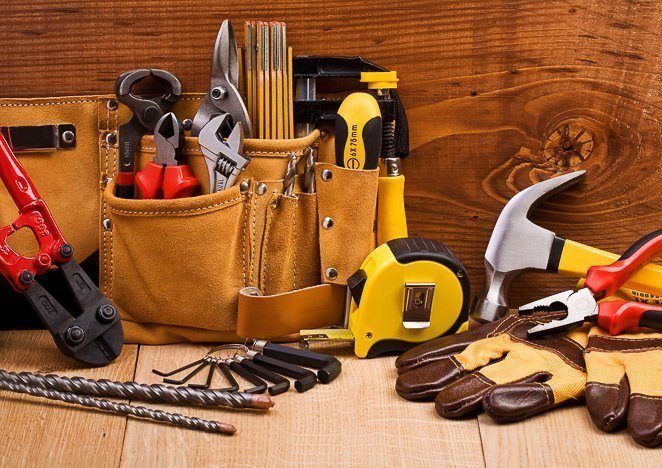
Many of the essentials can be found in a good mechanic’s tool set. The best set will

include everything from wrenches and sockets to screwdrivers and pliers in both

standard and metric tools. Pick one that’s good durability (so they can handle the

toughest jobs) and stored in a sturdy case to keep you organized on the road. If you

don’t have the space or budget for a set, you can piece together some necessities to

help keep you traveling safely down the road.


Screwdriver Collection

A ratcheting multi-bit screwdriver handles most jobs and saves space, as well as time for the user. And it’s just easier on your screw and wrist when you don’t have to lift and reposition the tool after every turn. My favorite screwdriver in our box is a ratcheting, multi-bit, magnetic-tip screwdriver that not only gives me many different screwdriver heads to choose from but also keeps me from dropping and losing the screw — as I always inevitably do. You'll also want standard flathead and Phillips screwdrivers, plus a precision screwdriver set to work on your electronics, appliances, and battery compartments.

Socket Wrench Sets

Both 3/8-inch and 1/4-inch drive sockets are great to have for RV

maintenance and repairs. Here's the challenge: RVs often mix metric and imperial

fasteners. So, investing in a quality six-point socket set that works for both is a good

idea. Also pack a reliable ratchet with multiple extension lengths.


Pliers and Hand Tools

Stock regular pliers, adjustable pliers, and locking pliers. Two

useful pliers to have on-hand are needle-nose and channel locks (also called slip joint

pliers). Add an adjustable wrench and a hammer or rubber mallet to round out your

basics.


Beyond the Mechanic’s Toolkit: Essential Add-Ons

Specialty, Multi-Tools, and Pocket Knives A quality multi-tool is arguably the most-

used item in any toolkit. A mini hacksaw blade, small plane, and sandpaper are nice to

have on hand for any DIY carpentry repairs. It’s also handy to keep a pocketknife on

hand for everyday tasks in and out of the RV. One of the first specialty tools we bought

was a foldable hand shovel, great for helping dig out tires, leveling uneven ground, or

clearing brush.


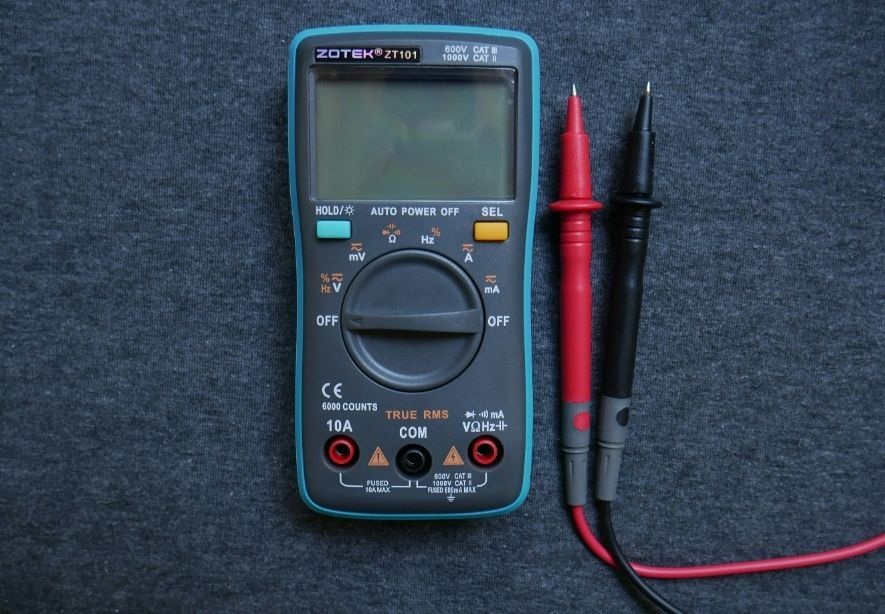
Electrical Diagnostics A basic multimeter and non-contact voltage tester are game-

changers for troubleshooting electrical issues. And if you’re unsure of how to use them,

there are plenty of instructional videos online that can walk you through the money- and

time-saving steps. Trust me. The time spent learning will be better than money spent on

future service calls.

Adhesives

Grab some heavy-duty tape for on-the-go repairs. We keep duct tape,

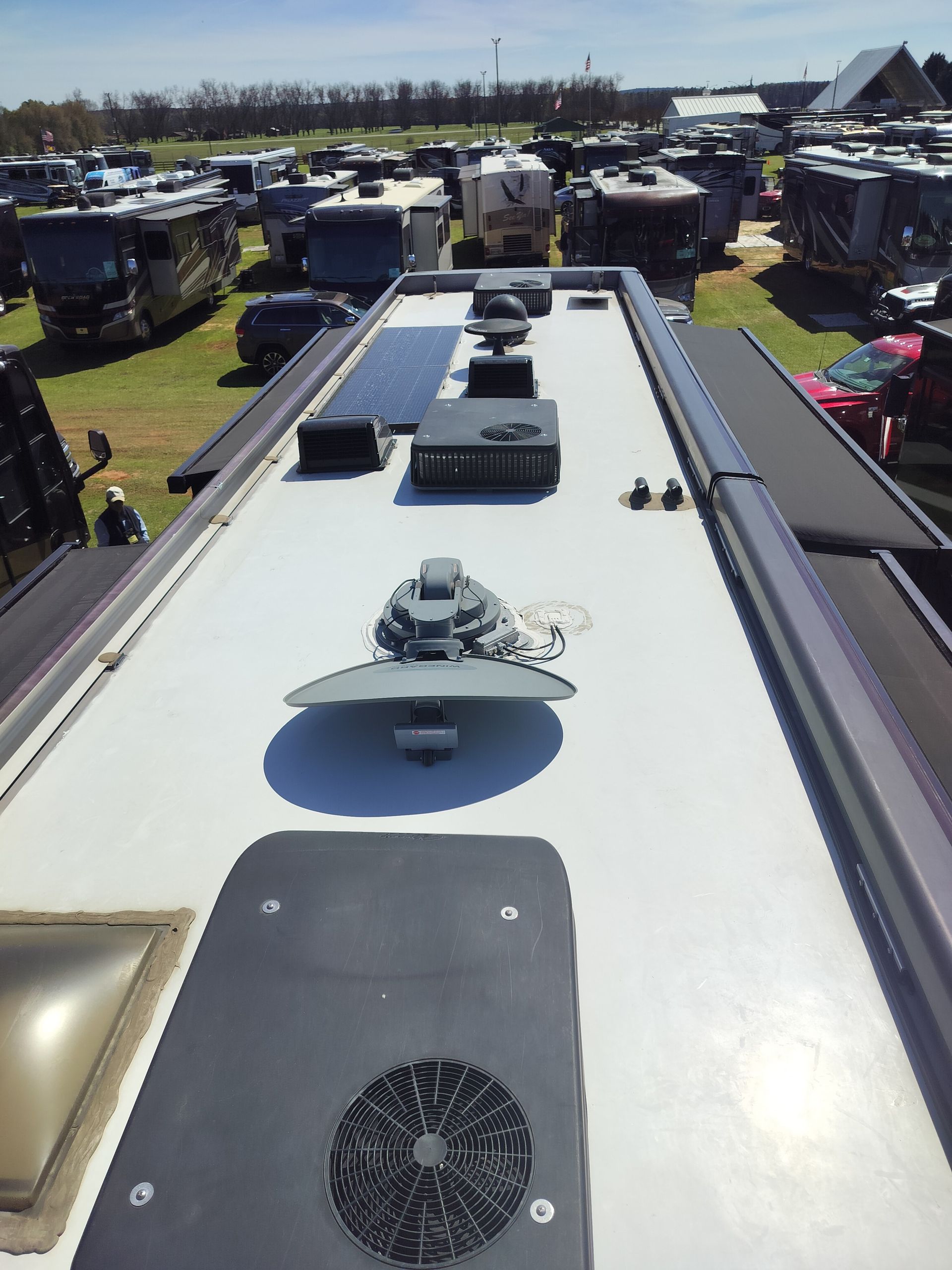
electrical tape, and Teflon tape in a small bucket inside our front door. If you have a roof

leak, EternaBond can be a temporary Band-Aid until you can get to an RV roofing

specialist, but you should always check with your insurance, the company doing the

repair, and the manufacturer to make sure this temporary solution does not void your

warranty or insurance claim. And on the topic of roofs, caulk may be essential for roof

maintenance depending on the type of roof you have.


Tire Essentials

Our Tire Pressure Monitoring System (TPMS) offers superior

monitoring of our tires while we’re on the road. It’s a peace of mind I wouldn’t go

without. And when the alarm rings, a portable air compressor with tire pressure gauge

saves the day.


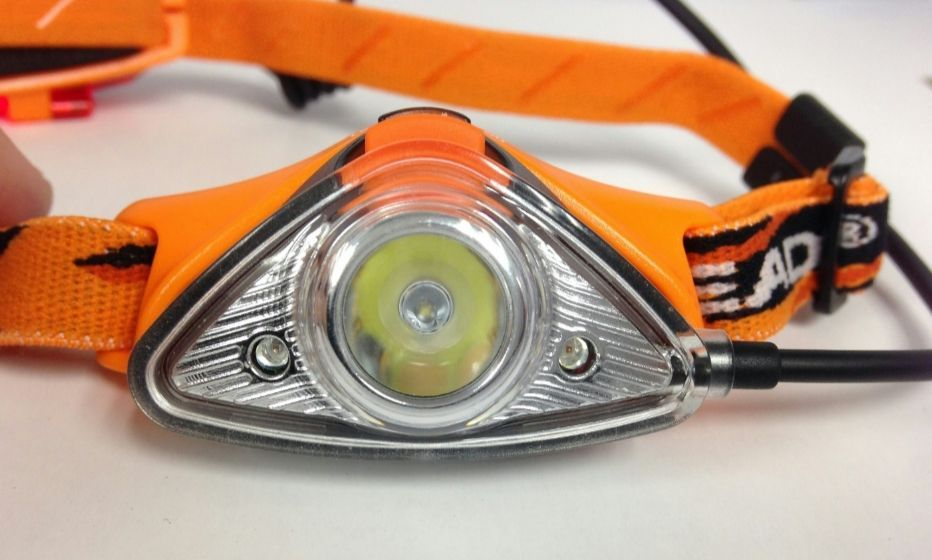
Lighting

Nothing is worse than breaking down on the side of the road in the dark.

Except breaking down on the side of the road in the dark without a light. We have SO

many flashlights and so many different kinds. Headlamps are super helpful because

they keep your hands free to manage the work. It’s important to store them in locations

you can reach whether your RV is packed up and rolling down the road or set up to

camp. And make sure to check the batteries regularly.

Safety and Emergency Equipment


Roadside Emergency Kit

Above all, preparation is key. A quality bottle jack is essential to have on hand, and you should always have quality spare tires. Always carry regular- sized tires for spares rather than donut spares because the weight of an RV is significant.


Tire plugs on an RV are only a short‑term solution to a bigger problem. We don’t recommend using plugs as a long‑term fix, but in a pinch, it’s certainly better than being stuck with a flat.


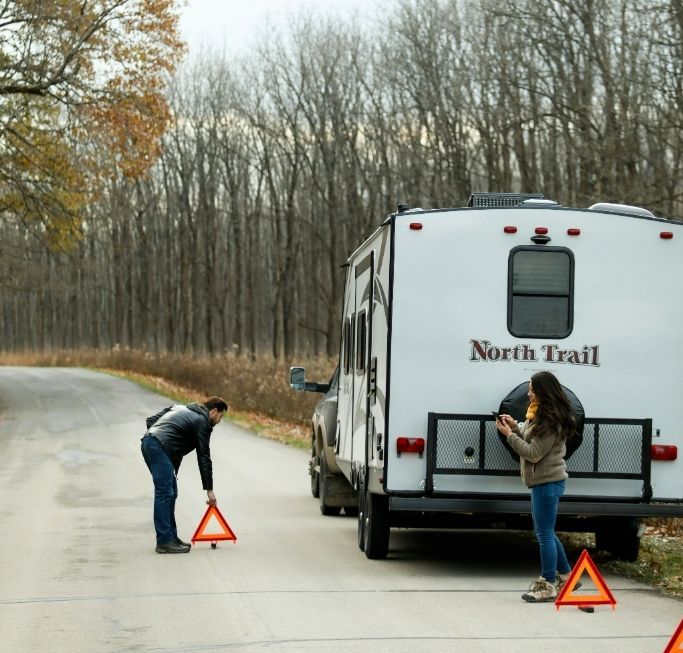
Hazard triangles, flares, and reflective neon vests are important for roadside safety and visibility. You might also consider including tire chains, a tire plug kit, a portable jump starter or jumper cables, traction mats, and other items depending on the terrain and environment in which you’ll be RVing.


Fire Safety

You’ve probably heard RVs referred to as tinderboxes. There’s a reason for

that — they are highly flammable. That’s why it is so important to take every fire safety

precaution you can in your RV.


We’ve placed fire extinguishers strategically throughout our rig and tow vehicle for easy access. Consider a fire blanket for the kitchen and pay close attention to the types of fires your extinguishers treat when purchasing them.


Place additional extinguishers in storage areas and outdoor kitchens. You may also

consider investing in a Proteng Fire Suppression System to protect your RV.


Roadside Assistance

Research and invest in a roadside assistance plan designed for your RV. Some RV memberships already include discounts for roadside assistance plans, like FRVA’s Roadside Rescue®, so check to see what is already available to you through the memberships you have. While no plan is perfect, having one can be invaluable when you're stranded.


First Aid Kit

A comprehensive first aid kit handles minor injuries and medical situations

on the road. Our new favorite kit, thanks to an introduction by fellow RVers this fall, is

My Medic First Aid. We keep one kit in our RV and one in our tow rig, just so we’re

prepared at all times. They come in convenient backpacks, so if we’re hiking or out

exploring, we can easily take one with us without additional packing.


Communication Devices

While smartphones are convenient, they're useless without tower coverage. An emergency radio keeps you informed when cell service fails. We have a hand-crank, solar-powered radio to ensure we have information anywhere.


We also use walkie talkies to communicate when parking our rig or caravaning with others.


Food and Water Keep backup clean water options, like a LifeStraw or water purification

tablets, as well as at least three days of shelf-sustainable, non-perishable foods in your

emergency supplies.


Building Your Perfect RV Toolkit

Building your own RV toolkit doesn’t have to be daunting. Start with the basics and add

tools as you identify your needs. Your toolkit should reflect your travel style. Full-timers

need more comprehensive setups than weekend warriors. Whatever your approach,

proper preparation will ensure that you're ready to manage common on-the-road issues so you can enjoy your adventures with confidence.

Other blogs you might like...

Presiential Library with books
By Jennifer Skinnell February 15, 2026
Presidential landmarks, historic sites and American history stops for RV travelers. Jennifer Skinnell's complete guide to exploring the presidents now on Learn to RV
Examples of random acts of kindness RVers can do while traveling across America
By Jennifer Schillaci February 13, 2026
Celebrate Random Acts of Kindness Week (Feb 16-22) on the road! Simple ways RVers can brighten someone's day at campgrounds, laundromats, and rest stops. Spread joy!
Learn to RV podcast Season 2 announcement graphic with new episodes every Monday and Thursday
By Jennifer Schillaci February 10, 2026
Season 2 of Learn to RV: Real stories, authentic conversations, RV community. New episodes Mondays, Spotlights Thursdays. Join the journey & find your tribe!
By Jennifer Schillaci February 4, 2026
Educational RV Travel for Black History Month: Worksheets, Historic Trails, & Family Learning Activities
By Steven Gallaher February 3, 2026
Emergency Vet Care on the Road: What to Do When Your Pet Is Suddenly Injured
By Jennifer Schillaci February 2, 2026
Groundhog Day: The RV Owner’s Secret New Year
By Jennifer Schillaci January 30, 2026
Pirate Takeover in Tampa: An RVer’s Guide to Gasparilla
By Jennifer Skinnell January 30, 2026
What to pack and how to maximize space, weight, and efficiency in a small RV kitchen.
By Ashley Wright January 28, 2026
Making Roadschooling Fun Again: How Games Bring Learning to Life
By Jennifer Schillaci January 27, 2026
The Great January Reset: Getting Your RV Adventures Ready for Spring Travel
Show More