Roadschooling Resources: Discovering Leaders, Landmarks & Legacies During Black History Month
Jennifer Schillaci • February 4, 2026
Educational RV Travel for Black History Month: Worksheets, Historic Trails, & Family Learning Activities

February is one of the most meaningful months to be a roadschooling family — at any age, and at any stage of life. Whether you're a family on the road, a retiree exploring at your own pace, or simply someone who believes that history is worth understanding deeply, this month is an invitation to slow down and pay attention. The open road becomes a classroom, the places you visit become the teachers, and the stories you uncover become part of your family's shared history.
The open road has a way of making history feel alive. But you don't have to be traveling to take a deep dive. Black History Month is for every lifelong learner — the curious, the reflective, the ones who know that understanding where we've been is the only way to make sense of where we're going.
Black History Month invites us to look closer and connect with the leaders, landmarks, and legacies that shaped our country — not just through textbooks, but through lived experience. Whether you're rolling down the highway, sitting in your favorite chair, or planning your next adventure, this challenge meets you where you are.
Whether you're traveling this month, parked at a favorite campground, or planning your 2026 adventures, this challenge turns learning into an adventure. It's hands-on, curiosity-driven, and flexible enough for every kind of RVer: families, retirees, solo travelers, and anyone who believes learning should last all year long.
Why Roadschooling Makes Black History Month Come Alive
Roadschooling gives us something traditional classrooms can’t: the ability to stand where history happened. To walk across bridges where people marched for justice. To visit museums that preserve stories of courage. To hear music in the places it was born. To support communities whose contributions shaped our nation.
And even if you’re not traveling this month, virtual tours, books, music, and conversations can bring these stories right into your RV or living room.

Black History Month Is Bigger Than One Story
Black History Month is about so much more than memorizing a single name, a single moment, or a single "famous first." It's an invitation to slow down, look deeper, and recognize that history is built from countless small acts of courage — many of them carried out by people whose names never made it into textbooks.
It's easy to focus on one well-known figure who sparked change, but the truth is that progress has always been a collective effort. Every march, every invention, every song, every classroom, every quiet act of resistance shaped the world we live in today. When we explore these stories, big and small, we start to see how deeply they've influenced our communities, our rights, our culture, and even the roads we travel.
Black History Month asks us to be reflective. To notice the connections. To understand how the bravery of one person can ripple outward and impact millions. And as roadschoolers, we have the unique opportunity to explore those ripples in real places, through real stories, and in ways that stay with us long after February ends.

Walk in History: The 8-Activity RV Challenge
Whether you're parked roadside or pulling into a new destination, these eight activities turn every stop into a living history lesson. Pick one, pick all eight, or let curiosity be your guide.
1. Find a Historic Marker
Every town has a story — even the small ones. Seek out a historic marker, statue, mural, or memorial connected to Black history. Reflect on where you found it, who or what it honors, and one new thing you learned. This simple activity teaches kids (and adults) that history isn't just in big cities — it's woven into everyday places.
2. Library or Bookstore Quest
Visit a local library or bookstore or even a thrift store & find a book written by a Black author, or a book about a Black historical figure. Choose one to read aloud this week — a picture book, a biography, a novel, or a memoir. Whatever sparks curiosity. Books open doors to conversations that last long after the last page.
3. Music on the Move
Turn your next travel day into a musical journey. Pick a genre — Jazz, Blues, Gospel, Motown, or Hip-hop — and listen together. Talk about the artist, how the music made you feel, and what themes or emotions you noticed. Music is history you can hear, and it's one of the most powerful ways to connect with culture.
4. Map It Out
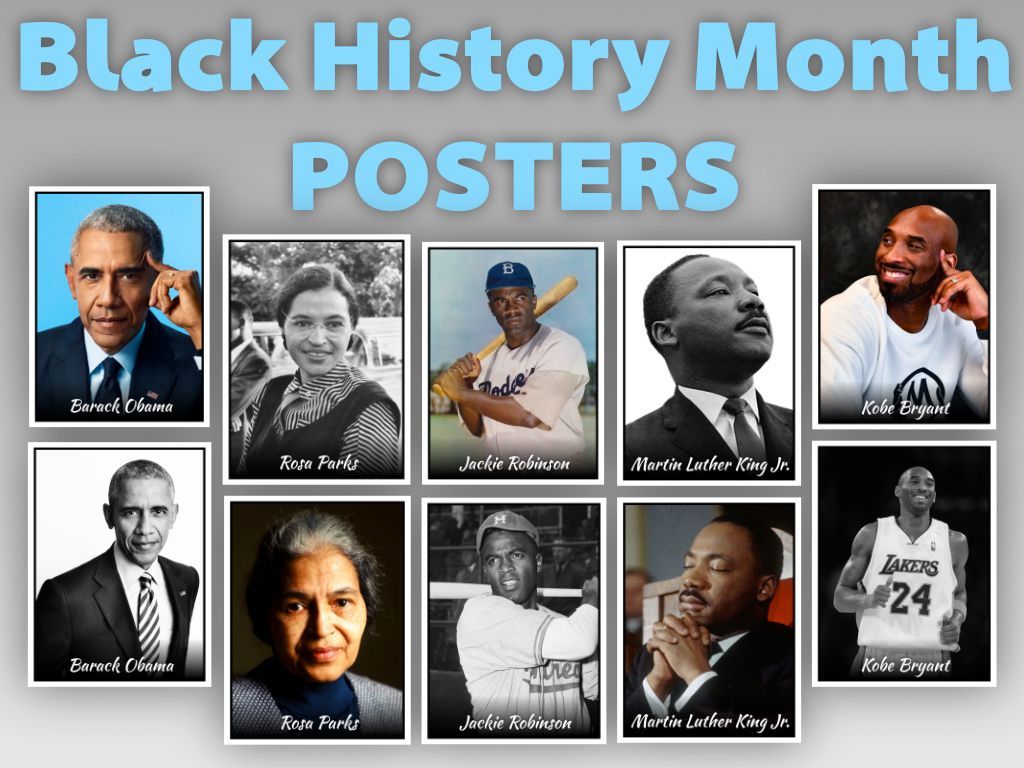
Choose an influential Black leader — past or present. Find their birthplace and a major place connected to their work, then compare it to where you are today. This helps kids visualize distance, geography, and the idea that leaders come from everywhere.
5. Museum or Virtual Tour
Stop If you're near a major city, visit a museum. If not, take a virtual tour from your RV — the National Civil Rights Museum, The Legacy Museum, or the Smithsonian National Museum of African American History & Culture. Record one powerful moment or exhibit. Draw a picture of something that stood out. These museums are deeply moving and worth adding to your 2026 travel plans if you can't visit this year.
6. Support a Black-Owned Business
Food, art, books, handmade goods — supporting Black-owned businesses is a meaningful way to honor the month. Find a restaurant, shop, or maker near your route. Take a photo or write about what you tried or bought. It's a small act with big impact.
7. Roadside Reflection
During your next drive, talk about: "What does courage look like?" Tie it to someone you learned about this week. These conversations build empathy, understanding, and critical thinking — all from the passenger seat.
8. Creative Challenge
Create something inspired by your learning. It can be anything.... a drawing, a poem, a timeline, a mini-poster. Share it with the Roadschooling Resources community. Creativity helps cement learning in a way worksheets never could
Take time to Reflect
What surprised you? What inspired you? What you want to learn more about?
Reflection turns activities into understanding.
This Matters Well Beyond February
Black History Month is just a starting point — not a finish line. These stories deserve space in our travels, our conversations, and our learning all year long.
Maybe this month you explore virtually. Maybe you visit a local museum. Maybe you add Selma, Memphis, Montgomery, or Atlanta to your 2026 route. Maybe you simply start noticing the markers and stories hidden in the places you already visit.
Every step counts. Every conversation matters. Every mile teaches something new.