

Christmas Baking in Your RV: Festive Recipes & Cozy Tips from the Road
Jennifer Schillaci • December 23, 2025
Sweet Traditions on the Road

I’m often considered a crazy baker at the holidays—whipping up a dozen different kinds of cookies in one season. And while we may scale back a little this year, one question always comes up: can holiday baking really be done in an RV? The answer is a resounding yes!
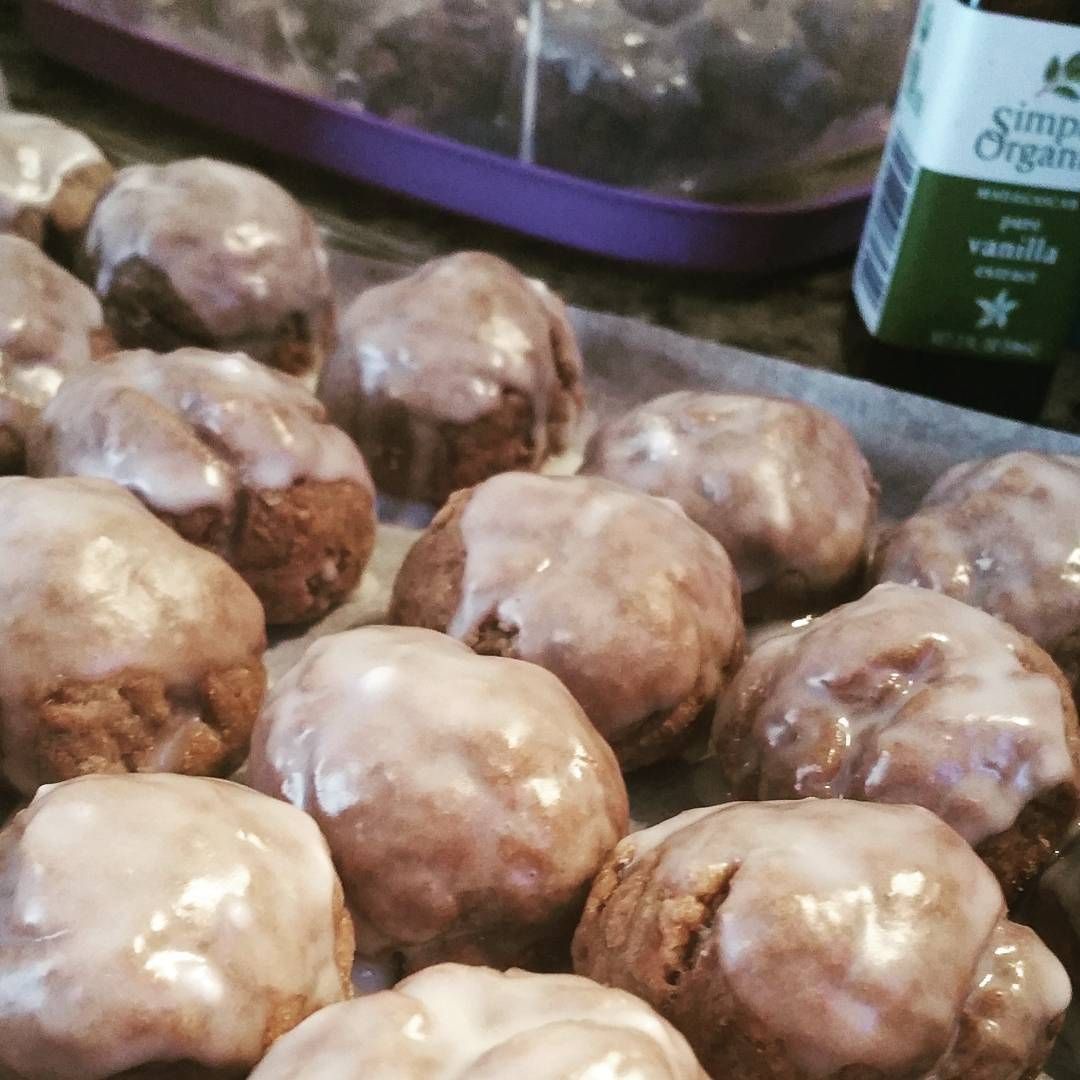
For 13 Christmas seasons, our RV oven has turned out trays of Italian cookies, peanut butter kiss cookies, and peppermint brownie bites—staples of our family tradition. The space may be smaller, but the joy is just as big. Baking in an RV is about creativity, flexibility, and savoring the cozy charm of holiday treats made on the road.
This year, we’re adding a new twist: modifying some of our favorite recipes to adapt them for our gluten‑free kiddo. It’s proof that traditions can evolve while still keeping their heart. Whether it’s swapping flours, adjusting bake times, or experimenting with new ingredients, the spirit of holiday baking remains the same—love, laughter, and cookies shared together.
Want to make your holiday cookies truly shine?
Follow along to the end of this post where I’ve shared some of my very best gluten‑free baking tips—tested in our RV kitchen and perfected with family favorites like pizzelles and peppermint brownie bites. These little adjustments can help your cookies keep their shape, stay moist, and taste just as festive as the classics.
Baking in an RV isn’t just possible—it’s magical. With a little planning and a lot of heart, you can keep your holiday traditions alive no matter where the road takes you.

RV Baking Tips: Christmas Edition
Space‑Saving Strategies
- Mix Smart: Use collapsible bowls or stainless steel nesting bowls and measuring cups to save storage space.
- Batch Prep: Mix doughs ahead of time and refrigerate or freeze so you can bake in smaller batches.
- One Pan Wonders: Line trays with parchment paper to reuse pans quickly without extra washing.
Oven & Equipment Tricks
- Know Your Oven: RV ovens often run hotter or cooler than expected, which can make holiday baking a little bit tricky. An oven thermometer is a must‑have tool to keep recipes consistent and avoid burnt bottoms or undercooked centers.
For us, the solution has been our Breville countertop oven—and after nearly six years, it’s still going strong. It’s a fantastic option if you’re thinking about ditching the traditional RV oven. Compact yet powerful, it handles cookies, brownies, and even small casseroles with ease, making it a reliable partner for holiday baking on the road.
Why A Pizza Stones Help in RV Ovens
A
pizza stone works in an RV oven because it absorbs, stores, and redistributes heat evenly, helping to balance out the hot and cold spots that older RV ovens are notorious for.
- Heat Absorption & Retention: Pizza stones are made of ceramic or cordierite, materials that absorb heat during preheating. Once hot, they act like a thermal battery, holding onto that heat.
- Even Heat Distribution: RV ovens often have uneven heating—hot spots near the flame and cooler spots elsewhere. The stone evens this out by radiating heat across its surface, reducing burnt bottoms and undercooked tops.
- Temperature Regulation: By buffering the direct flame or heating element, the stone prevents sudden spikes in temperature. This creates a more stable baking environment, closer to what you’d expect in a home oven.
- Moisture Control: Pizza stones can also absorb small amounts of moisture from dough, helping cookies, breads, and pizzas bake with crisp bottoms and tender interiors.
Practical RV Baking Tip
Place the pizza stone on the lowest rack of your RV oven and preheat it thoroughly before baking. Once hot, it acts as a stabilizer, making your oven more predictable and your holiday cookies more consistent. Many RVers leave the stone in permanently because it improves nearly every baking session.
In an older RV oven, a pizza stone is like a secret weapon—it transforms inconsistent heat into steady, reliable baking power, so your Christmas cookies come out golden instead of scorched.

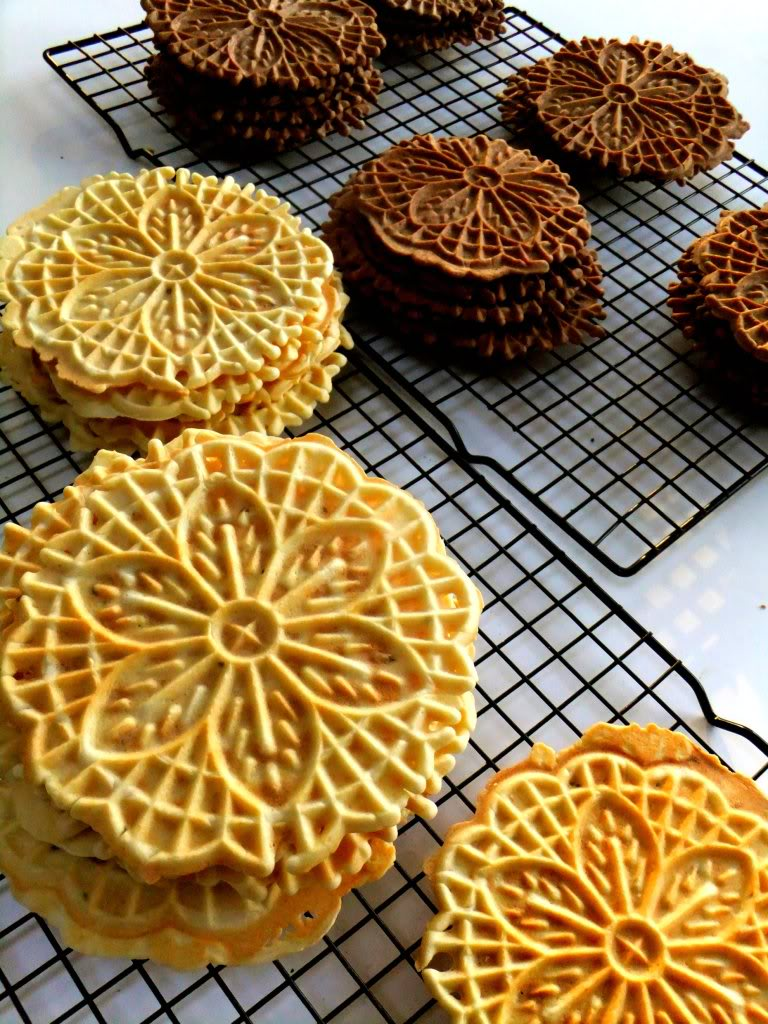
Every December, our little RV kitchen fills with the scent of tradition. For our Italian family, that tradition has always meant including pizzelles—those delicate, lacy cookies pressed in a treasured pizzelle maker that has traveled with us through generations. Baking them isn’t just about the cookies themselves; it’s about the stories told while the iron warms, the laughter shared as the first batch inevitably disappears before cooling, and the way each crisp bite connects us back to our family roots.
This year, we’re navigating something new: baking all our favorite recipes gluten-free. At first, it felt daunting—how could we possibly recreate the flavors and textures we love without wheat flour? But we quickly discovered that gluten-free doesn’t mean giving up tradition. It simply means adapting, experimenting, and finding joy in the process. Our new mini pizzelle maker has become a symbol of that flexibility. Compact enough for our RV kitchen, it turns out perfect little cookies that are just right for sharing, sampling, and savoring.
The gluten-free pizzelles have been a revelation. Using a 1:1 flour blend with a touch of cornstarch gives them the crispness we crave, while the flavors—classic anise, bright citrus zest, or even a hint of cocoa—make each batch feel festive and fresh. The mini size adds a playful twist, perfect for sandwiching with Nutella or mascarpone cream, or simply stacking into a cheerful holiday platter.
Of course, pizzelles aren’t the only stars of our Christmas baking. We’ve been reimagining other classics too: almond biscotti studded with cranberries, flourless chocolate cookies that melt in your mouth, and amaretti that remind us that our home oon wheels can still enjoy the flavors of the holiday season while being naturally gluten-free. Each recipe is a reminder that tradition can bend without breaking, and this ensures that everyone at the table can enjoy the treats, which, for our family, is the sweetest gift of all.
As we bake, we’re not just filling tins with cookies. We’re filling our RV with memories, weaving together heritage in a new way, and proving that even when recipes evolve, the heart of Christmas baking remains the same.

What’s baking in your RV kitchen this Christmas?
This season, we’re bringing the warmth of holiday baking recipe exchange into our Facebook RV community! From Italian pizzelles to gingerbread & every cookie tells a story. We want you to take a moment & share your favorite recipe, your tradition, or your creative twist, and let’s build a virtual cookie platter together in Learn to RV, the friendly informative group.
While cookie exchanges bring joy and connection, it’s essential to remember that not everyone can safely participate. Labeling cookies clearly—especially when they contain common allergens like nuts, dairy, or gluten—helps families feel seen and included. Still, for many navigating food allergies, the risk of cross-contamination can make exchanges feel unsafe, and their choice to abstain isn’t personal. Respecting those boundaries is part of the holiday spirit too, ensuring that kindness and care are baked into every tradition, whether shared through cookies or simply through community
As the last crumbs are shared and the plates find their way home, to neighbors, campground staff, or someone spending the season alone, it’s clear that holiday baking in an RV isn’t about the size of the kitchen or the number of cookies—it’s about the spirit of giving. Even a few treats passed hand to hand carry the sweetness of connection, reminding us that community is built in small gestures. This season, the aroma of cookies drifting from an RV oven can become more than a tradition—it’s a way of saying, “You matter, and you’re not forgotten.”

Tools & Ingredients for Better Tasting Gluten-Free Baking
We may go big on baking at Christmas—sometimes a dozen different kinds of cookies—but the truth is, the tools don’t change much. A good oven (or countertop Breville), mixing bowls, baking sheets, and a few space‑saving gadgets are all you really need to keep traditions alive on the road.
Where things do get tricky is with the ingredients. Not all stores are created equal, especially if you’re baking with allergies or dietary needs in mind. Flour blends, specialty chocolates, or gluten‑free staples aren’t always easy to find in small towns or along travel routes.
The past two Christmas seasons we have learned a few things.
- Stock Up Early: Buy specialty items before hitting the road whenever we have access.
- Shop Smart: Larger chains often carry allergy‑friendly brands, while local shops may surprise you with unique finds.
- Plan Ahead: Keep a running list of “must‑have” ingredients so you don’t forget essentials.
- Stay Flexible: If you can’t find one item, adapt—swap flours, change toppings, or try a new recipe.
Why Gluten-Free Flour Blends may not Work
- Different purposes: Gluten-free blends are usually made from a mix of rice flour, starches (like tapioca or potato), and binders (like xanthan gum). But each blend is formulated differently, so one might give you crisp cookies while another fails in yeast breads.
- Texture challenges: Some blends can be gritty, overly starchy, or crumbly if they don’t have the right balance of ingredients.
- Gluten’s role: In wheat baking, gluten provides elasticity and structure. Without it, blends must mimic that role. If the blend isn’t balanced, baked goods can turn out dry or flat.
Some additional Gluten Free Baking Tips
- Adjust the Mixing Technique: Unlike wheat-based doughs, gluten-free batters benefit from longer mixing. This builds structure and helps cookies rise evenly.
- Measure Flour by Weight: Gluten-free flours are finer and pack inconsistently. Weighing flour with a kitchen scale ensures accuracy and prevents dry, crumbly cookies.
- Retain Moisture: Add ingredients that keep cookies soft: brown sugar, honey, or applesauce can help. Chill dough & let sit for at least 30-45 minutes before baking to improve consistency and flavor.
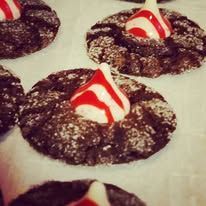
Gluten-free mixes really can be a gamechanger—brands like Miss Jones and King Arthur have done a lot to take the guesswork out of holiday baking. Our peppermint kiss brownie cookie adaptation has been both festive and clever, turning it into a mini brownie so it holds its shape and moisture, then we add the peppermint kiss on top at the end.
The “flattened flop” with the cookie version is a common gluten-free challenge.
Tips to Prevent Gluten-Free Cookies from Flattening
- Chill the dough: Gluten-free batters often spread more quickly. Refrigerating for 30–60 minutes helps them hold shape.
- Add structure: A tablespoon of cornstarch or oat flour can give cookies more body.
- Use parchment or silicone mats: They help distribute heat evenly and prevent overspreading.
- Adjust fat balance: Butter can cause spreading; try half butter, half shortening or coconut oil for stability.
- Egg reinforcement: Adding an extra egg yolk (not white) can improve richness and structure.
The joy of Christmas baking in an RV isn’t about having every tool or ingredient—it’s about creativity, tradition, and making sweet memories wherever the road takes you.
Some of the links in this post are affiliate links. This means that if you click through and make a purchase, we may earn a small commission at no extra cost to you. We only recommend products we genuinely believe are useful for RV living and holiday baking. Your support helps us keep sharing tips, recipes, and resources with the RV community.
Other blogs you might like...