

Sensory Solutions for RV Families: Supporting Big Feelings in Small Spaces

BG Barnstormer • July 31, 2025

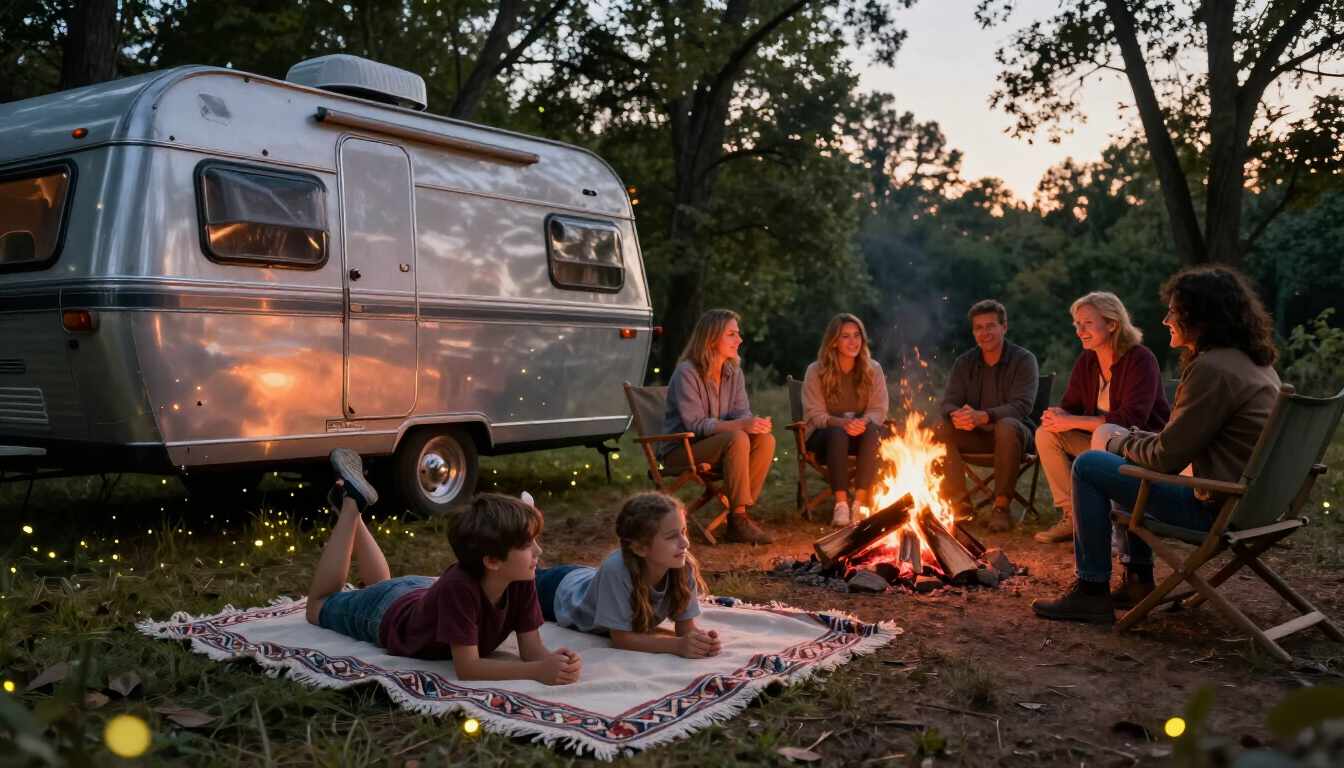
RVing can be a multi-faceted sensory experience. There are campfires, smells of the neighbor’s dinner cooking, someone blasting music, a dog barking, and don’t forget the deafening shrieking of someone’s kid jumping in the pool. Campgrounds have a LOT going on and can be an overwhelming sensory experience. Having been full-time travelers for three years, I share ideas for navigating sensory overload while camping including:


  • Hammocks, Swings, and Things
  • Weighted Blankets
  • Noise Considerations: Headphones & White Noise
  • Sensory/Compression Clothing
  • Food/Oral Sensory Support
  • Lighting
  • Sensory Support Animals


I have learned that these areas have helped my family on the road to allow a multi-faceted approach for supporting one’s body and sensory systems.

Hammocks, Swings, & Things

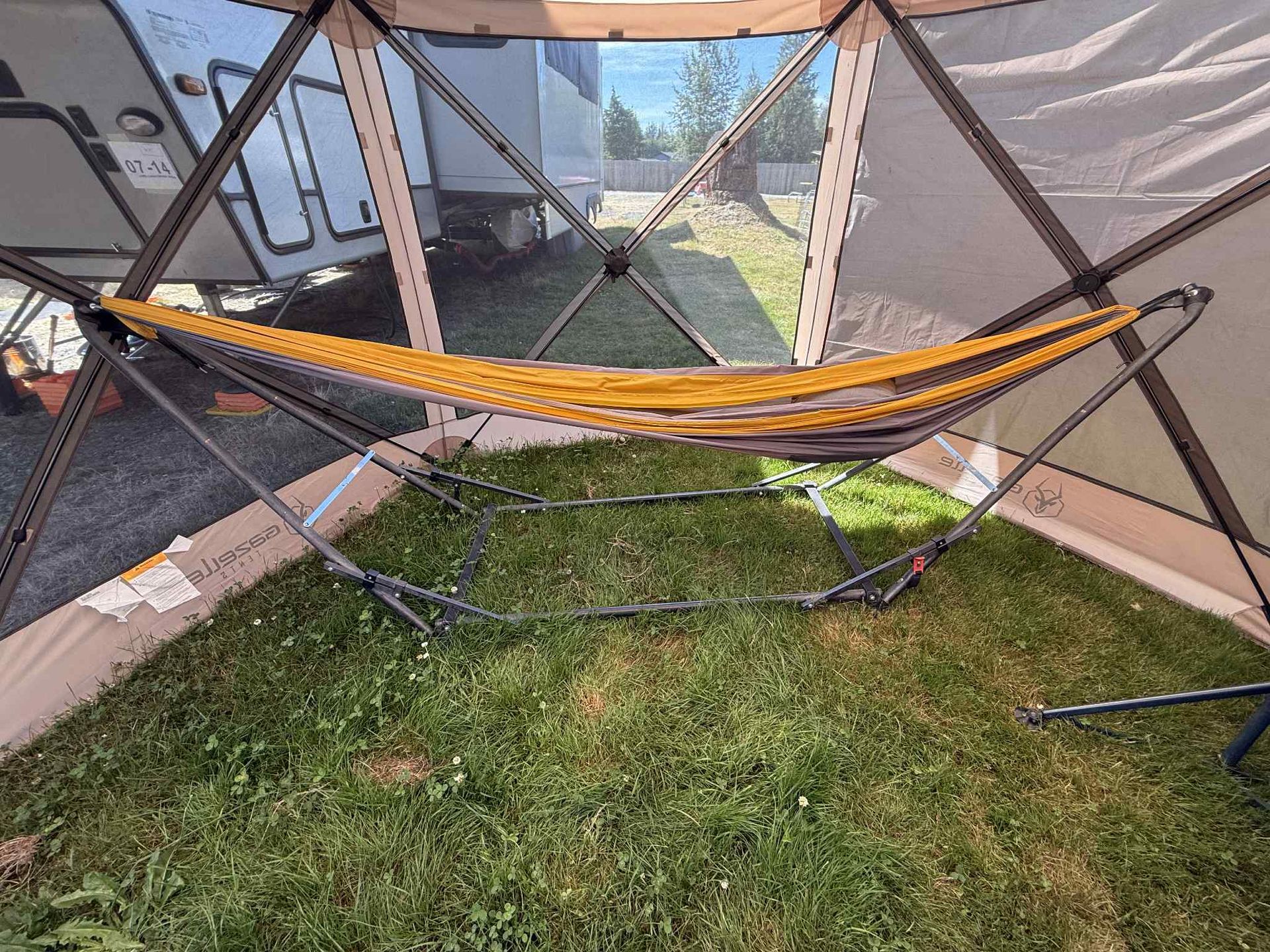
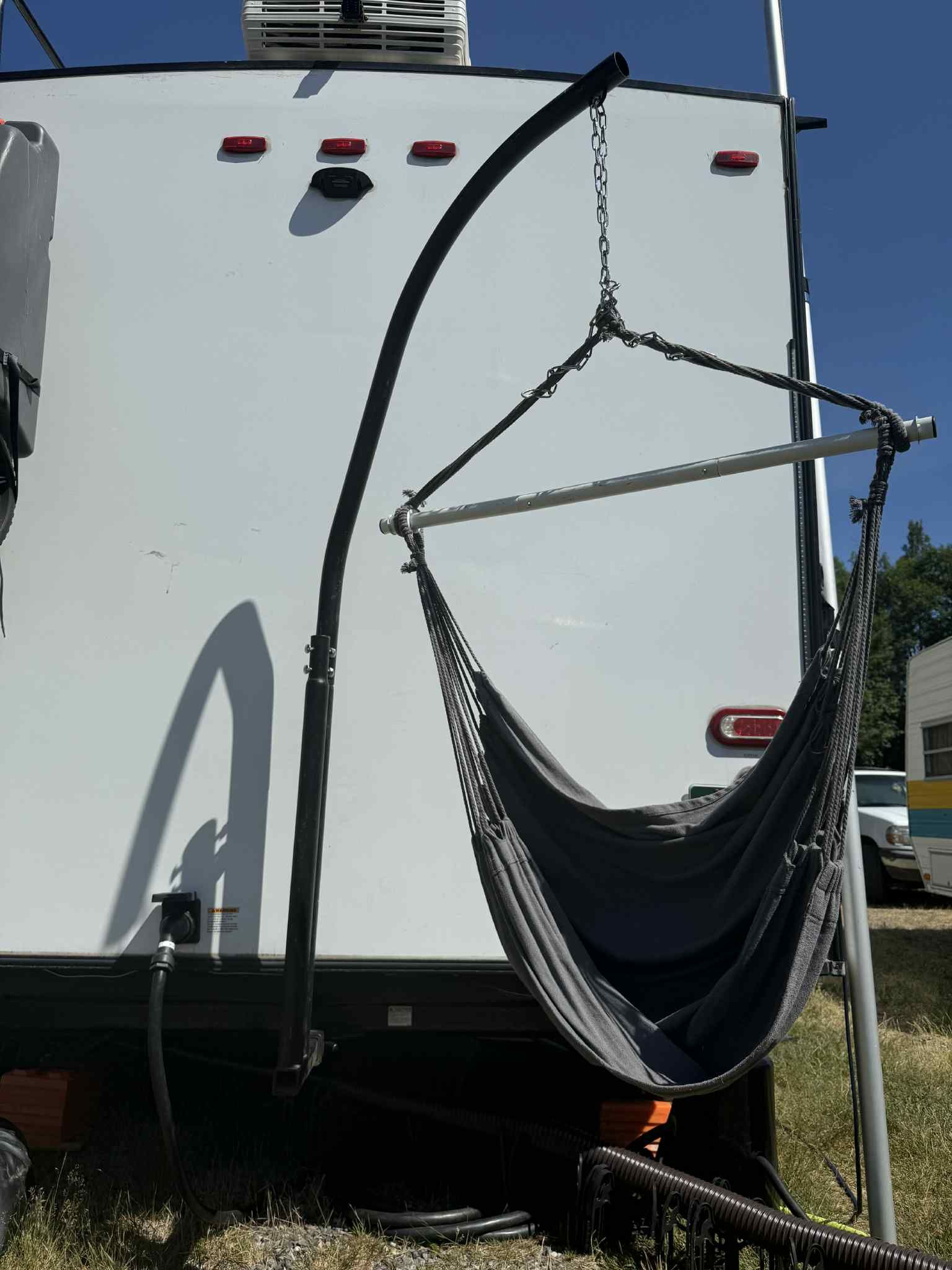
RV travelers vary from weekenders to part or full-time travelers. Typically, RV parks have rules about not hanging hammocks on trees. For our family, hammocks are a must-have travel tool. In order to support our family’s needs, I found a folding hammock stand to take with us on the go. One could go down a rabbit trail of research to study the benefits to the nervous system of swinging. The short story is that swinging is incredibly helpful and calming for the nervous system.


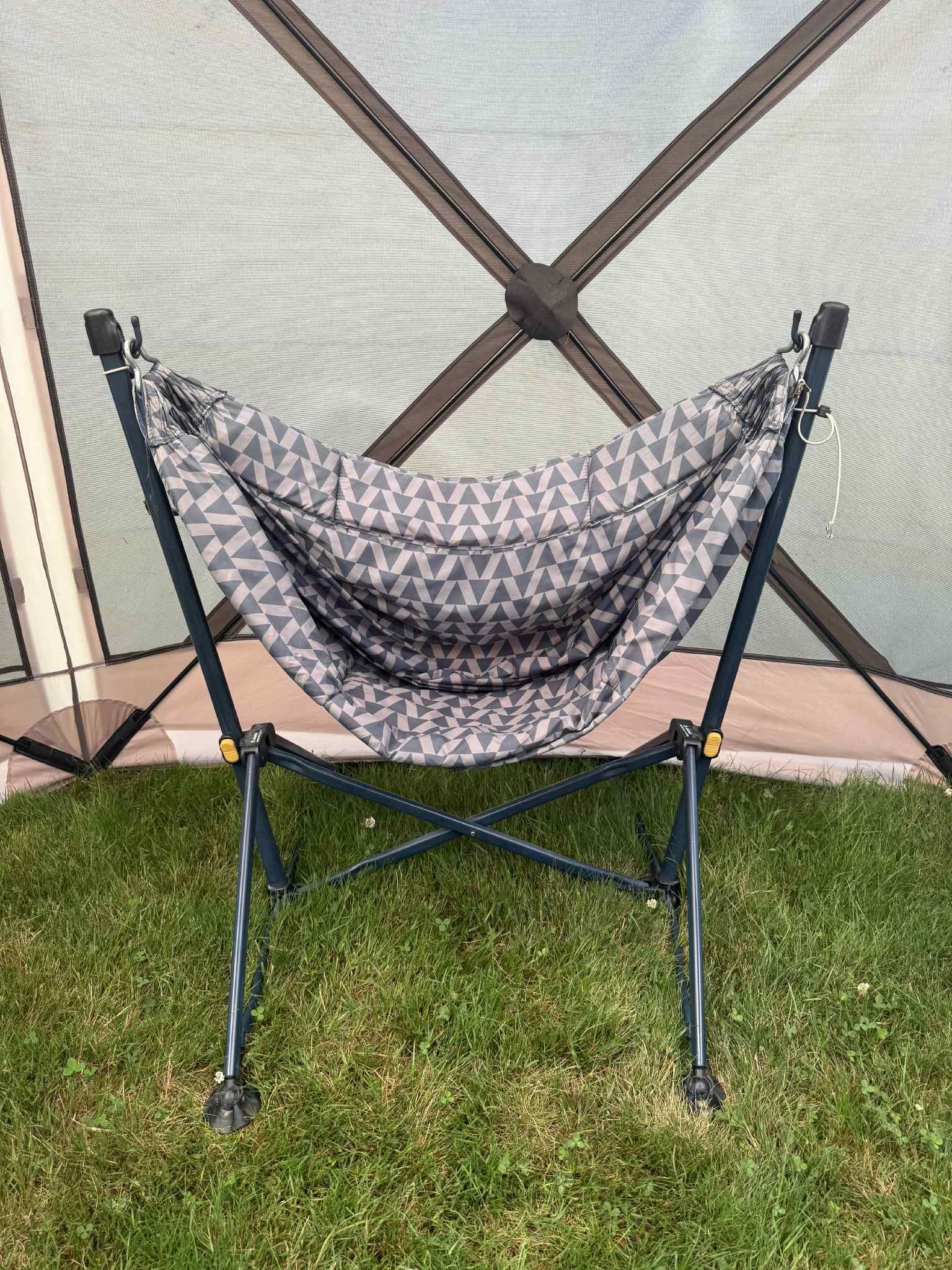
In addition to a hammock, I found an Ozark Trails chair Walmart that folds up and has a similar hammock-like chair to sit in. (This chair is seasonal, so finding it somewhere between April and August is ideal.) This chair was supposed to be my campfire chair, but my kids quickly claimed it as their favorite, so we now share it.


My most recent and favorite find is our hammock hitch. While this hitch attachment can go on a vehicle, we typically attach it to the hitch on the back of our rig once we set up camp. We can swap out the hammock chair, depending on what the kids (or myself!) prefer. (see my clan’s favorite hammock-like chairs linked below.) Often my kids will take turns in the hammock chair throughout the day. I’ll admit, if someone is looking for me at the end of the day, that’s usually where I’m curled up.


Some of my family’s favorite hammock chairs:

Weighted Blanket

In addition to the hammock and swinging chair, I found that having a weighted blanket available was a game changer for my family. After using the weighted blanket for only a few days, we discovered our daughter must have been sleeping deeper, as she woke up more cheerful and had a better attitude. Even when we travel by airlines now, we take our daughter’s weighted blanket with us. It was not too long before I found that I also wanted a weighted blanket; it is like having a hug all night long! (Many websites suggest 10 % of your body weight, but please refer to your medical professional for questions or concerns for you or your family members.)

Noise Considerations: Headphones and White Noise

Auditory overwhelm is something that is gaining awareness in communities across the globe. We discovered that auditory overwhelm can sneak up on our family unit easily, causing a rapid meltdown for one of our kiddos. To support our daughter’s auditory needs, we bought noise-cancelling headphones. She takes these nearly everywhere we go in her purse along with other specific things she needs like a metal telescoping straw  and her favorite seasoning (garlic salt we put in an empty tic-tac container we repurposed as her personal spice jar for on the go.)


Another alternative to noise cancelling headphones is Loop Earplugs. These can be great for kids and adults. There are lots of options, so we bought a few to try out including the “quiet” and the “experience” ones. If you’re purchasing these for a child, pay particular attention that you are getting the right size for their ears and ensure that you watch a video on how to use them properly.


Noise at bedtime can be an issue for individuals who are noise-sensitive. Nearly every night in the RV, I put on my white noise from the free app “White Noise” where I can select what version of white noise I want to listen to that night. Options range from my personal favorite, brown noise, to nature sounds. When we are at a busy RV park, this pro tip helps drown out the outside noise from neighbors or possibly nature if you’re in an area with very ribbity-frogs. (Yes, *ribbity* is now a very technical frog-sound term/description.)

Sensory/Compression Clothing

Proprioception (the brain knowing where your body/limbs are and sense its movements) is a term I learned over the last few years. When a person is seeking “proprioceptive input,” they are wanting or needing to do things that activate their muscles or joints. An example of this might be stomping, jumping, getting tight hugs, or rough housing. We experienced this need for our daughter because she always liked getting tight hugs and we noticed when she was dysregulated (unable to calm down), she needed and wanted a tight hug to re-regulate her body.


In our case, I knew our daughter preferred soft blankets, a certain type of pants-never jeans, and tight-fitting clothing (nothing loose.) As we continued to understand our daughter’s sensory needs and how to support them, we learned about compression clothing. We came across a compression shirt that can be worn over or under clothing and is more discreet than a compression vest.


The compression vest we called the “hug vest” and my daughter felt like she was getting a tight hug on her torso. It has Velcrow sides that can be adjusted for a comfortable fit. This was helpful because her body needed some extra tight hug-like feeling, but it is something she could wear when she was “off” or dysregulated.


(This vest has come in handy especially on days we were packing up the camper to move. I needed to be getting things situated and she was needing sensory support. Often, I find that she wanted the hug vest AND to lay under the weighted blanket. Having these tools to use have helped my family tremendously.)


Our family rule is our kiddo could not sleep in the “hug vest,” so sometimes she would opt to put on the compression shirt to wear for bedtime or lay under her weighted blanket if she felt like that was more comfortable to soothe her body. These things helped her system calm as well as get the input needed to remain regulated.

Food/Oral Sensory Support

While some people do not have any specific diagnosis, they may benefit from this knowledge. Since our daughter’s diagnosis of Autism, SPD, and other food difficulties, we have learned that having suckers and other oral sensory support can be extremely helpful in daily life. The sucking motion can soothe the nervous system through oral sensory support (think like a baby and a pacifier.) This is something we have learned over time that is helpful for our kiddo.


We are navigating food difficulties daily from touching food to chewing and swallowing it. (I write about beginning our journey with SPD HERE) If you are in this struggle too, please know you are not alone!


It is important to remember: My kid is not giving me a hard time, they are having a hard time.


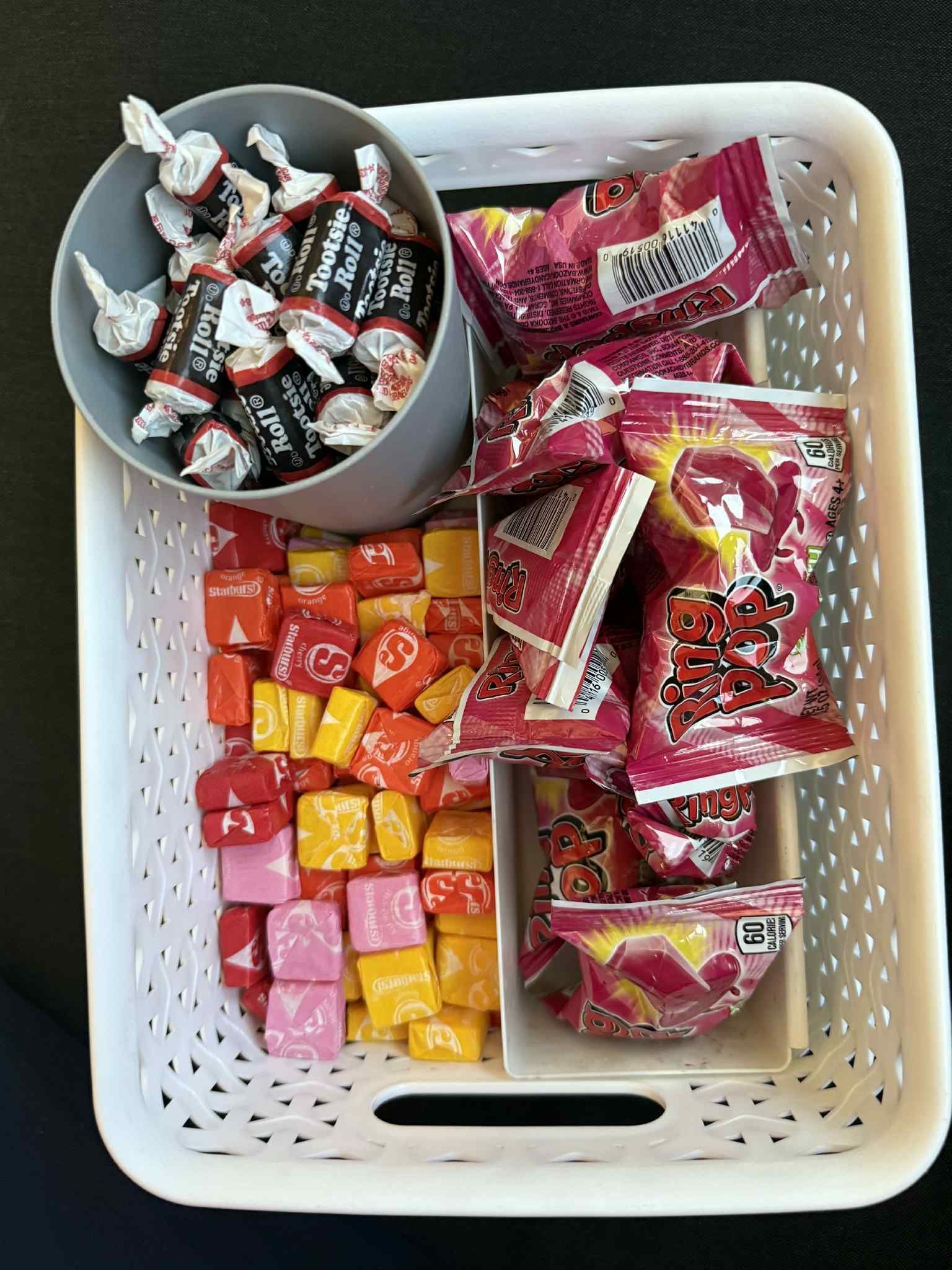
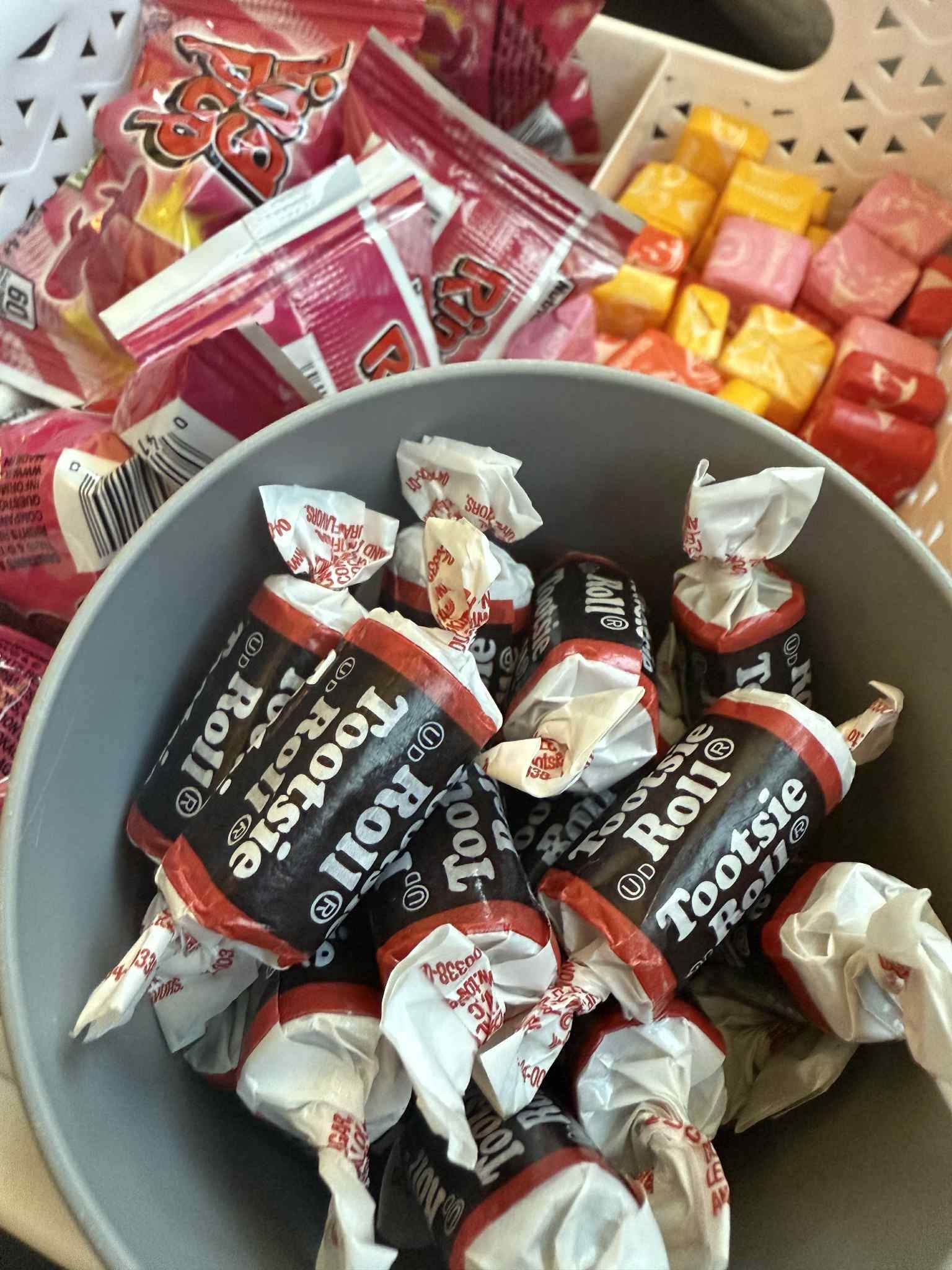
You are not alone in your journey. My kid eats less than twenty foods and I am ok with her having a ring pop for breakfast. That’s where I’m at in our journey. The ring pop helps her regulate her body and then she can move on to something else that’s more nourishing. Please be kind to others. You don’t know their journey. Maybe the only thing a person will eat is the thing you see them eating. Celebrate that with their family. The world needs more love, support, connection, and community.


(We order strawberry ring pops in bulk on Amazon so our kiddo can have the one and only flavor she will eat. We also buy applesauce pouches there as well since she only eats one specific brand and let’s be honest-sometimes I need a personal assistant and the closest thing I have to that is Amazon which comes right to my door! Both these items support her sensory system through oral sensory support.)


Understanding how sensory support can aide in soothing, we began to explore what other things like “chewy” items that would help us on a daily basis. We branched out from ring pops to add in a variety of candies. Some options that have been supportive for sensory and oral support include: chocolate bars, Hershey Kisses, Twizzlers, Twizzlers Pull N Peel, Tootsie Rolls, Starbursts, and similar items. My daughter says she does not like skittles, but I’m not sure the last time she tried them. (Maybe she will again someday!)

Our family rule is that if our kiddo wants something sweet (like candy) then the next item needs to be something with protein like a cheese stick before they can have another item like a chocolate bar.


Our family food motto with food is: “Calories in are a win!”


Whatever items help you with oral sensory support, I want you to know I’m cheering for you! It can be such a journey to figure out what can help in different circumstances. The idea of moving away from food-related oral support brought me to the next topic of other oral sensory items that might aide in the same type of support.

Food/Oral Sensory Support: Chewy items

We have added some non-edible chew items for oral sensory support. These items can be supportive to help when a kiddo is stressed (at a campground or during travel), needs to work on schoolwork, and more. We have purchased a variety of chew toys for our kiddo including chew necklaces like this. We find that having these chew toys accessible when working on school subjects that are more difficult aides in focus and thinking through the task at hand. Since my daughter needs extra “processing” time for her work, these toys have come in handy for quite awhile. I highly recommend having this in your repertoire of items in your sensory-support toolkit.

Lighting

Sometimes lights can be too intense for an individual. We have found that having soft lighting like a lamp or small battery-powered light can aide in sensory overwhelm on any given day. Whether we are at home or in our RV, we usually have some type of dimmer light option available for our kiddo. For many people, lighting is not something that comes to the forefront of their mind for an overwhelming sensory sensation. I like to be considerate in the fact that every individual in this world has a unique experience in their body, so the way we are all processing the lights and other sensory information around us may be extremely overwhelming for some. In our RV, I tend to keep lighting softer in the evening when we are working to wind down from a long day.

Sensory Support Animals

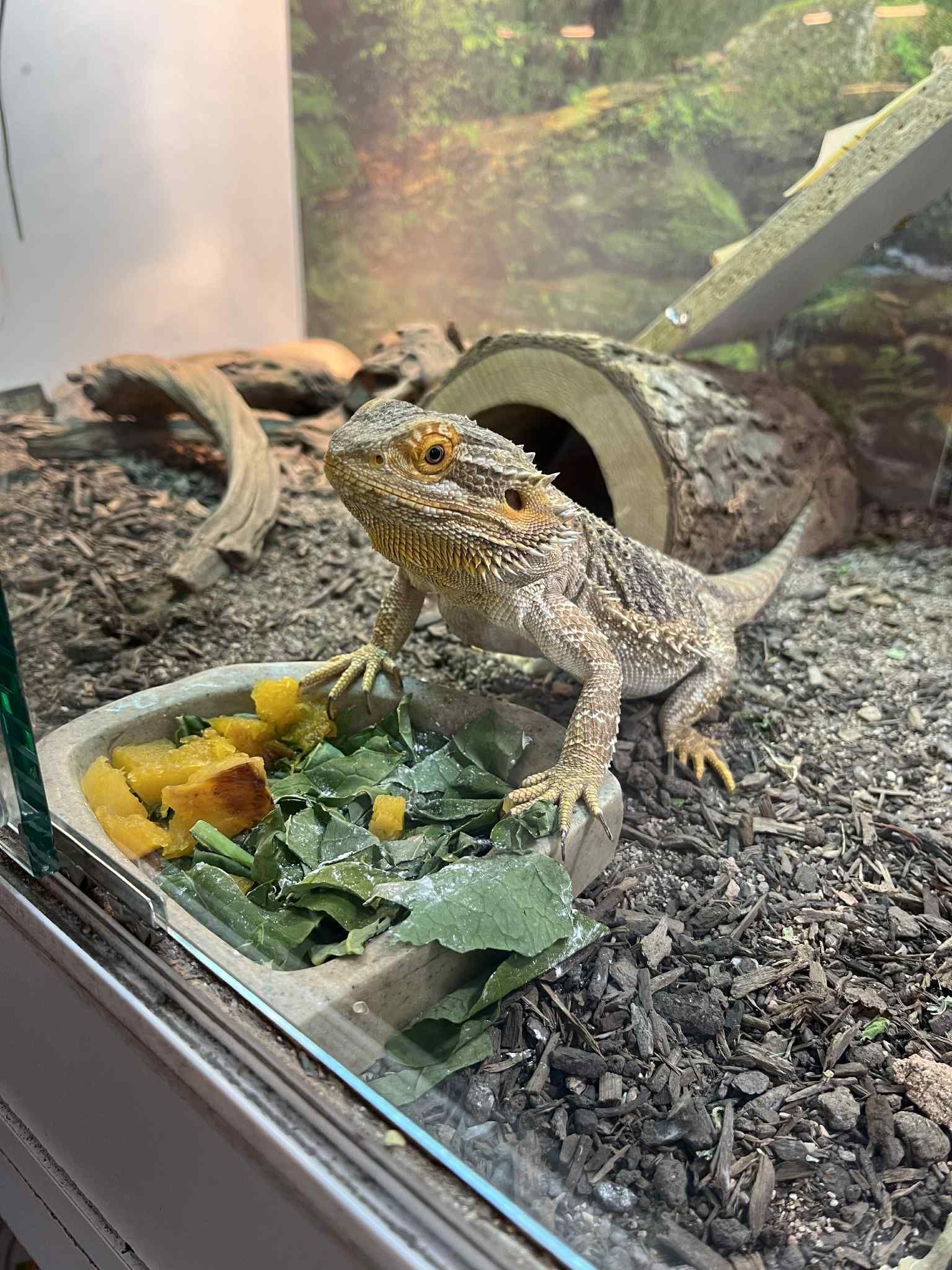
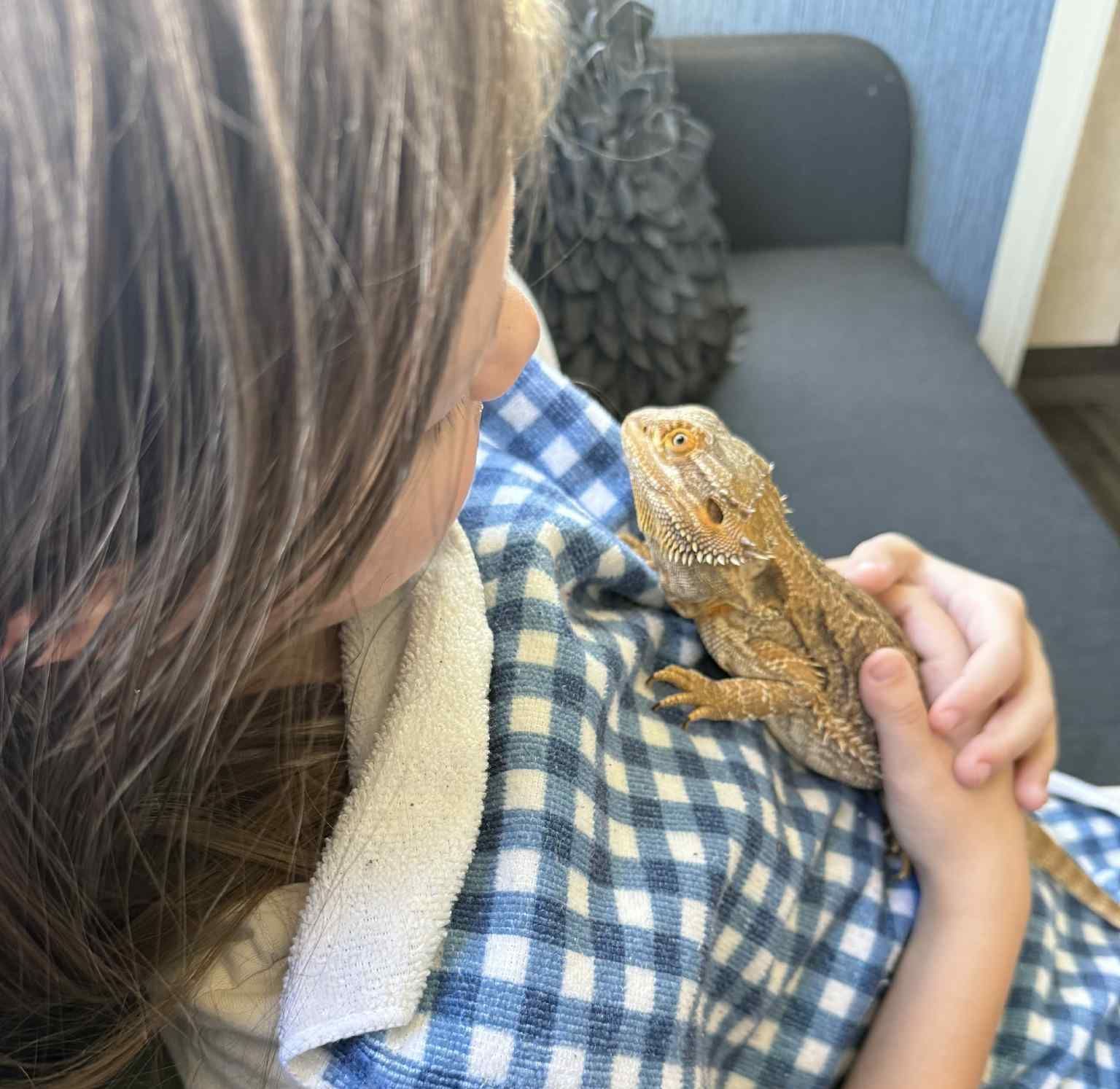
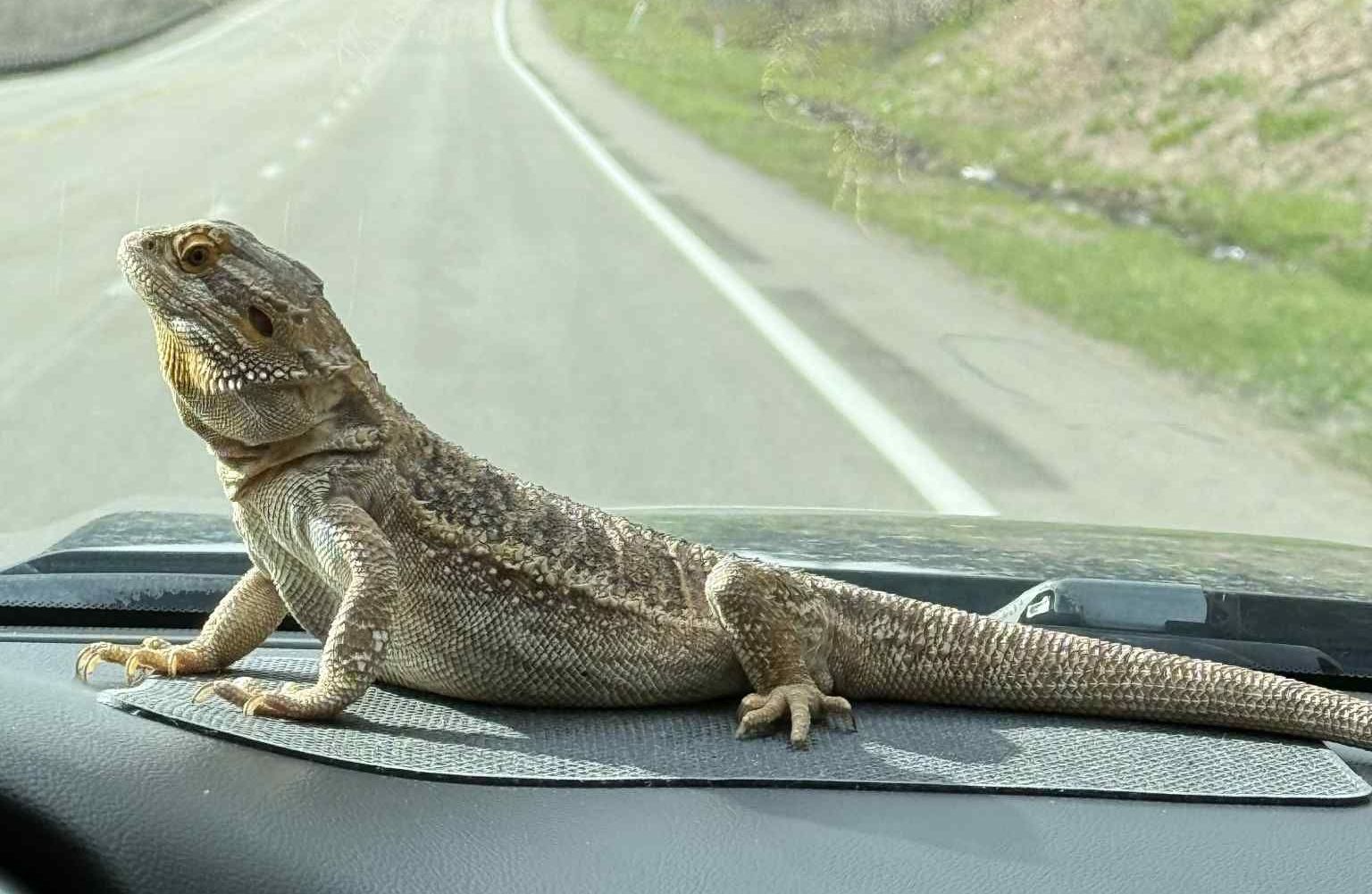
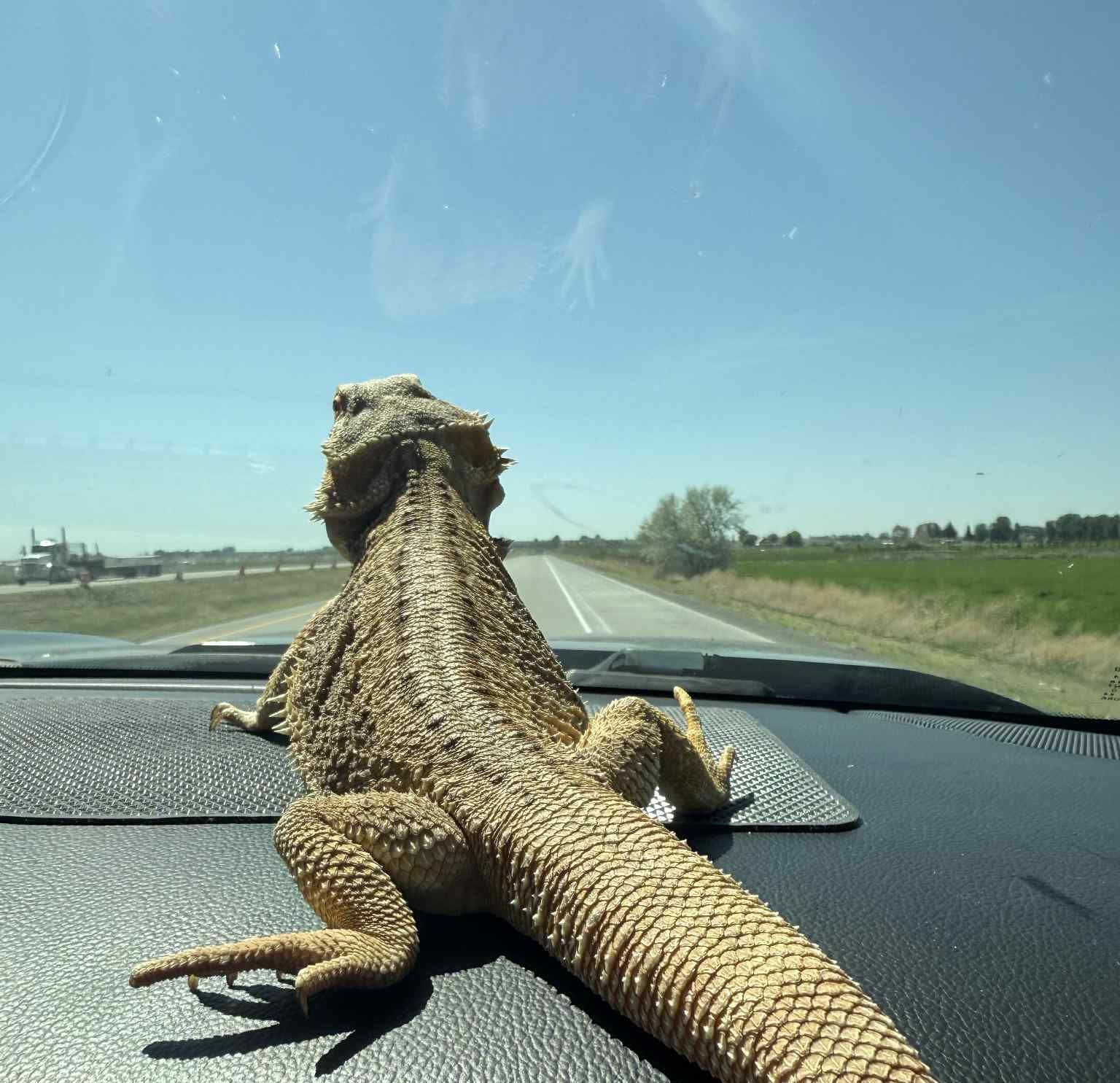
Many people have a dog or cat with them for sensory support. For us, it’s our beloved Bearded Dragon, Princess Pancake, who has been with our family about a year and a half. Pancake has worked wonders for when my daughter is stressed or overwhelmed. Whether we’re working on schoolwork or it’s a travel day, Princess Pancake comes with us and is snuggled to help soothe my daughter. Whatever your pet of choice is, we know that sensory support animals are an important team member of the family.

Closing Thoughts

Whether it’s your family member or someone at the campground using or needing sensory support, please be a kind neighbor and good friend. If you’re going to an RV park or boondocking, having things with you to support sensory needs can aide in enhancing the enjoyment of the camping experience. The next time your neighbors are playing music too loud, consider putting on noise cancelling headphones, playing some of your own music, sitting in a swing or hammock, and taking a few deep breaths to re-regulate your nervous system. Having things to get or keep yourself and your family regulated can assist in decreasing overwhelm and enjoying the great outdoors.


Signing off,

BG Barnstormer

Other blogs you might like...

By Kirsten McCormick December 11, 2025
Picture this: Ask your teenager what gifts they received last Christmas. Now ask them about their most memorable adventure. Which question sparks more enthusiasm and detailed stories? The truth is, most physical gifts—even those met with initial excitement—often end up collecting dust, breaking, or being outgrown as interests change. But experiences? They become part of who we are, weaving themselves into the fabric of our memories and shaping our character in lasting ways. 
By Jennifer Schillaci December 10, 2025
Surprising Symptoms, Honest Conversations, and Life on Wheels
By Amanda Pelser December 9, 2025
How Homeopathy Supports the Body During Colds and Flus
By Jennifer Aggio December 4, 2025
Let's talk about the thing nobody wants to talk about—but every RVer deals with: RV tank problems . Foul odors. Clogged black tanks. Inaccurate sensors. Slow drainage. The dreaded poop pyramid. Sound familiar? Here's what most RVers don't realize: your onboard tank flush system isn't enough . Those built-in sprayers don't penetrate buildup, remove struvite stones, or scrub away mold and sludge that accumulates over time. That's where professional RV tank cleaning comes in—and that's where Tank Rangers steps up. Tank Rangers is a nationwide RV tank cleaning service with nearly three dozen locations across the country, offering professional hydro-jetting for both black tanks and gray tanks. Whether you're dealing with sensor issues, stubborn odors, or just want preventative maintenance, Tank Rangers provides mess-free, thorough cleaning that gets your tanks back to factory condition. In this guide, we're covering why professional tank cleaning matters, what happens during service, common RV tank myths, DIY maintenance tips, and how to find Tank Rangers near you. Want to hear the full story? We sat down with founder Gabe on our Community Spotlight podcast episode! 
By Jennifer Skinnell December 3, 2025
AT&T Stadium
By Jennifer Schillaci December 2, 2025
Escapee's C.A.R.E. Program, Traveling with a Purpose & Lasagna Love
By Jennifer Schillaci December 1, 2025
From Motorhomes to Movement: How FMCA’s Quiet Shift and FRVA’s Bold Vision Are Reshaping The RV Community
By Jennifer Schillaci November 27, 2025
What RVers Really Want for Christmas
By Jennifer+ Aggio November 21, 2025
Picture this: You're waking up in your RV at a beautiful national park, sipping your morning coffee with a view of the mountains. You spend a few hours greeting campers, answering questions, or doing light maintenance around the campground. The rest of your day? Exploring trails, meeting fellow RVers, and enjoying free camping with full hookups. Oh, and you're getting paid for it.  That's workamping. And if you want to land one of these positions for summer, you need to start applying the fall prior. Here's the reality: the best workamping and camp hosting jobs for are being posted and filled months in advance. National parks, state parks, and popular private campgrounds hire 3-6 months in advance. This guide covers everything you need to know to find and land a workamping position: what it is, when to apply, where to find jobs, how to get hired, and what to ask before accepting. The clock is ticking. Next season’s positions are being filled right now. Let's get you on the road to your best workamping season yet.
By Jennifer Schillaci November 20, 2025
Cultivating a Heart of Thankfulness in a Hard Year
Show More